




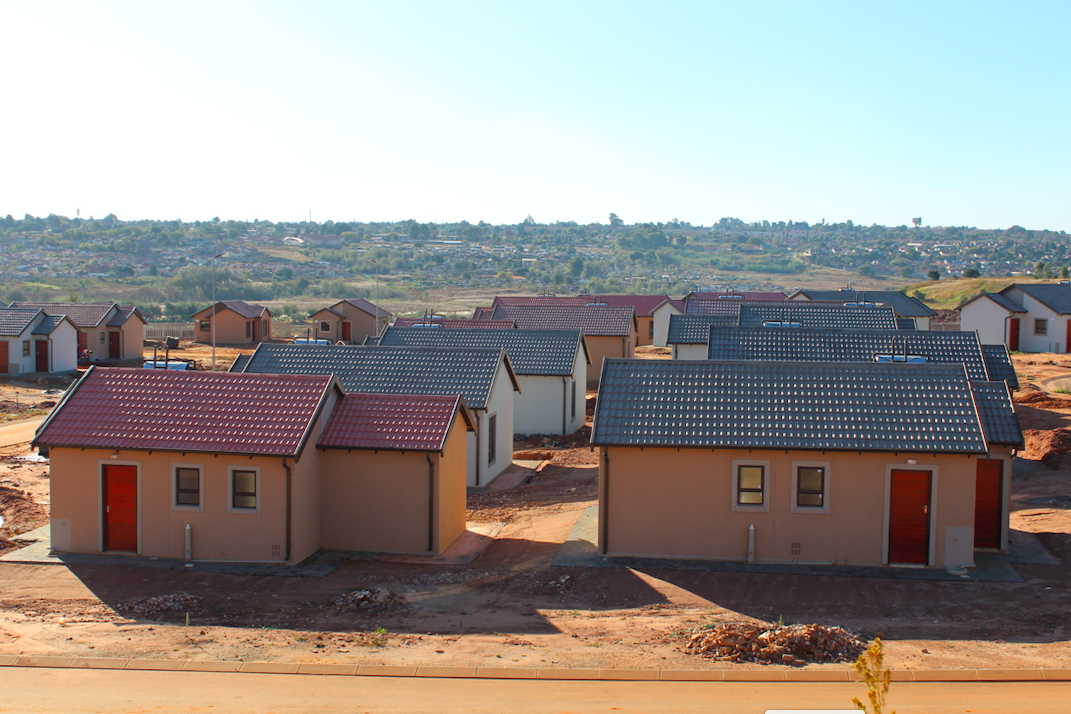
“South Africa’s residential property market in September 2026 is defined by affordability pressures, with national house price growth slowing to 3.4%—below inflation. Yet, first-time buyers now dominate the sector, driving resilience in properties priced under R1.5 million, particularly in well-run metros and homes with off-grid features.”
The South African residential property market in September 2026 presents a paradox: while affordability ceilings and high interest rates have slowed overall growth, the entry-level housing segment is experiencing unprecedented demand. First-time buyers, supported by aggressive bank lending and reduced deposit requirements, now account for more than half of all bond applications. This marks a historic shift in the country’s housing dynamics, reshaping both urban and suburban landscapes.
Market Overview
- National house price inflation: 3.4% (Lightstone Residential Property Index, September 2026)
- Consumer price inflation: 5.1% (StatsSA CPI, September 2026)
- Prime lending rate: 10.50% (SARB MPC, September 2026)
- Repo rate: 7.00% (SARB MPC, September 2026)
- First-time buyer share: 51.6% (ooba Oobarometer, September 2026)
- Average purchase price for first-time buyers: R1,305,000
These figures highlight a market of two halves: declining affordability at the upper end, but resilience and growth in the sub-R1.5 million segment.
Drivers of First-Time Buyer Dominance
- Aggressive Bank Lending
- Banks are offering 100%+ loans.
- Deposit requirements have dropped significantly.
- This has lowered barriers to entry for younger buyers.
- Infrastructure Reliability
- Buyers prioritize municipalities with strong service delivery.
- Western Cape metros command premiums due to governance and infrastructure.
- Properties with solar panels, boreholes, and off-grid features sell faster.
- Affordability Ceiling
- Household debt-to-income ratio: 62.8%.
- Buyers are constrained by high interest rates.
- Affordable housing remains the only viable option for many.
Regional Trends
- Western Cape: Premium pricing due to governance and infrastructure.
- Gauteng: Sectional title properties show resilience.
- KwaZulu-Natal & Eastern Cape: Moderate growth, driven by affordability.
Buyer Behavior
- Average time on market: 64 days (FNB Property Barometer, Q2 2026).
- Flight to functionality: Homes with reliable utilities and off-grid features are prioritized.
- Semigration: Continued movement toward well-run metros.
Challenges
- High interest rates: Prime lending rate at 10.50% limits affordability.
- Inflation pressures: Real house price growth is negative.
- Debt burdens: Household debt remains elevated.
Opportunities
- Affordable housing development: Strong demand under R1.5 million.
- Bank lending innovation: Flexible loan structures attract new buyers.
- Infrastructure investment: Municipal competence drives premiums.
Conclusion
The South African residential property market in September 2026 is undergoing a structural transformation. First-time buyers are no longer a minority—they are the majority, reshaping demand patterns and forcing developers, banks, and municipalities to adapt. While affordability challenges persist, resilience in the entry-level segment offers hope for sustained activity and growth in the years ahead.



