




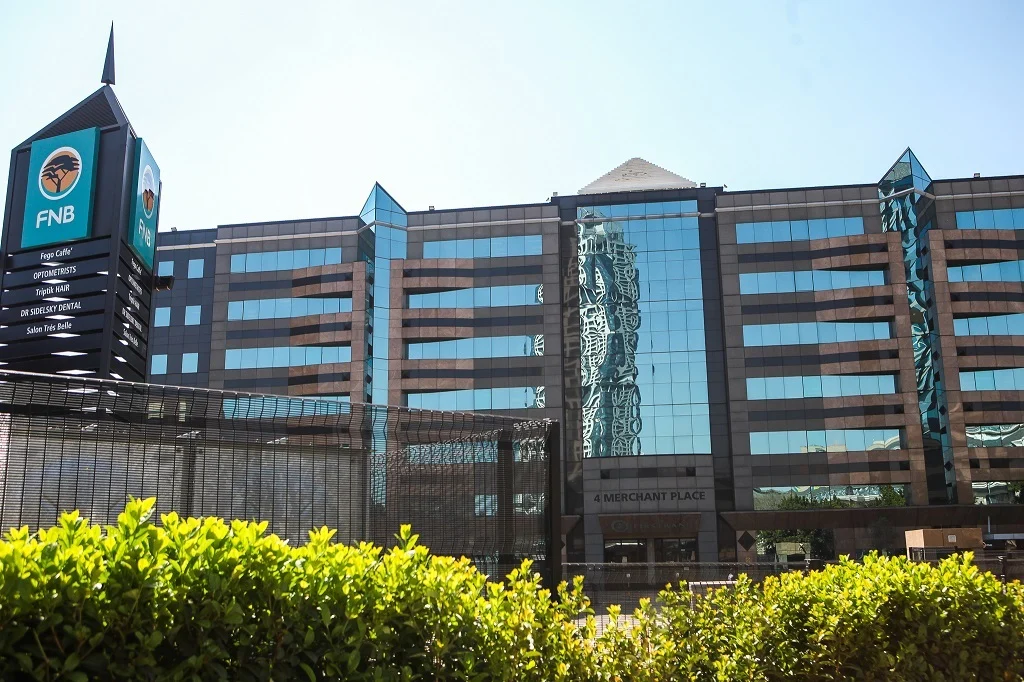
“South Africa’s FirstRand is moving to divest from Aldermore, its UK challenger bank, amid mounting costs from Britain’s motor finance mis-selling scandal. Lloyds Banking Group is weighing a potential acquisition, though uncertainties around compensation liabilities remain.”
South Africa’s banking sector is witnessing a significant development as FirstRand Limited, one of the country’s largest financial institutions, prepares to exit its UK-based subsidiary Aldermore Bank. The decision comes against the backdrop of a costly regulatory scandal in Britain’s motor finance industry, which has forced FirstRand to reassess its international exposure. At the same time, Lloyds Banking Group, the UK’s largest retail bank, is exploring a potential takeover of Aldermore, a move that could reshape the competitive landscape of small business lending and project finance in Britain.
Background on FirstRand’s UK Expansion
FirstRand acquired Aldermore in 2017 as part of its strategy to diversify revenue streams and gain a foothold in the UK’s growing challenger bank market. Aldermore specialized in lending to small businesses, property developers, and individuals underserved by traditional banks. Initially, the acquisition was seen as a bold step toward international expansion, aligning with FirstRand’s ambitions to compete globally.
However, the UK’s financial regulatory environment has proven challenging. The Financial Conduct Authority (FCA) launched a sweeping redress program targeting mis-sold motor finance loans, forcing banks to set aside billions in provisions. For Aldermore, this translated into significant liabilities, undermining profitability and eroding shareholder confidence.
The Motor Finance Scandal
The scandal centers on allegations that UK banks mis-sold motor finance agreements, particularly involving commission structures that incentivized dealers to inflate interest rates. The FCA’s intervention required banks to compensate affected customers, with estimates running into the billions. FirstRand, through Aldermore, faced exposure of approximately £750 million ($994 million) in provisions, a figure that made continued ownership untenable.
Lloyds’ Interest in Aldermore
Lloyds Banking Group, already dominant in the UK retail banking sector, is considering Aldermore as a strategic acquisition. The appeal lies in Aldermore’s niche expertise in small business lending and project finance, areas where Lloyds seeks to expand. However, any deal would likely hinge on indemnities against future compensation claims, given the uncertainty surrounding the FCA’s redress program.
Industry insiders suggest that Lloyds is not alone in its interest. Shawbrook Bank, another UK challenger, has reportedly examined a potential merger with Aldermore. This competitive interest underscores Aldermore’s value despite its regulatory challenges.
Implications for South Africa
For South Africa, FirstRand’s exit reflects a broader recalibration of risk in international banking ventures. The move signals caution among local banks about overexposure to volatile foreign regulatory environments. Analysts argue that FirstRand’s retreat could redirect focus toward strengthening domestic operations, particularly in retail banking, digital innovation, and African regional expansion.
Moreover, the divestment highlights the interconnectedness of global finance. A regulatory scandal in the UK has direct repercussions for South African shareholders, pension funds, and the broader economy. The episode serves as a reminder of the risks inherent in cross-border acquisitions.
Market Reactions
The announcement has sparked mixed reactions in financial markets. In Johannesburg, FirstRand’s shares experienced short-term volatility, reflecting investor concerns about the scale of losses. However, some analysts view the exit as a prudent long-term decision, allowing FirstRand to cut its losses and refocus on core markets.
In London, speculation about Lloyds’ bid has generated interest among investors, though concerns about liability remain. The potential acquisition could strengthen Lloyds’ position in SME lending, but the risk of further regulatory costs tempers enthusiasm.
Strategic Lessons
This episode offers several strategic lessons for South African banks:
- Regulatory Risk Management: International expansion must account for unpredictable regulatory shifts.
- Diversification vs. Focus: While diversification can spread risk, it can also expose banks to unfamiliar challenges.
- Domestic Strength: South African banks may find greater resilience by prioritizing regional growth over distant markets.
Conclusion
FirstRand’s planned exit from Aldermore marks a pivotal moment in South Africa’s banking narrative. It underscores the challenges of global expansion and the importance of regulatory foresight. For Lloyds, the potential acquisition represents both opportunity and risk, with the outcome likely to shape the UK’s banking landscape for years to come. As South Africa watches closely, the decision serves as a reminder that in global finance, local actions can have far-reaching consequences.



