




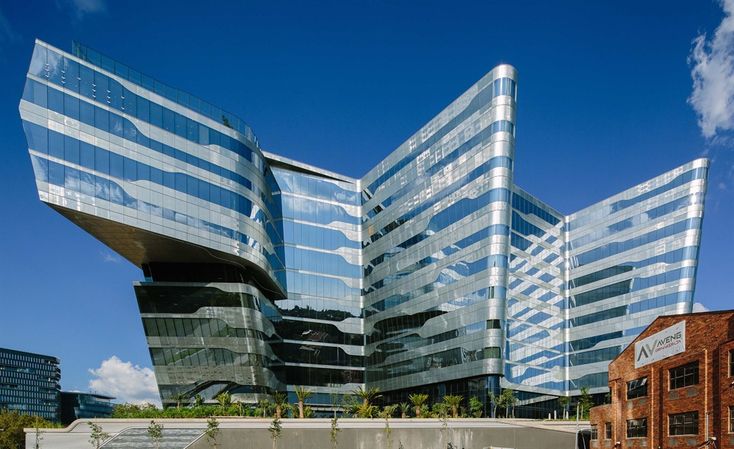
“South Africa’s commercial property market has rebounded in 2026, with industrial real estate leading growth, office markets showing signs of recovery, and retail nodes stabilizing. Investor confidence is rising, supported by REITs delivering strong returns and auctions becoming a preferred transaction channel.”
South Africa’s commercial real estate sector has entered 2026 on a stronger footing than in recent years. After years of sluggish growth and pandemic-related disruptions, the market is now experiencing a resurgence in investor confidence, rental growth, and declining vacancies. This shift is being driven by industrial property demand, office market recovery, and stabilizing retail nodes.
Industrial Real Estate: The Star Performer
Industrial property continues to lead the commercial sector. Vacancies have dropped below 5% nationally, with Cape Town corridors showing particularly strong demand. Rental growth on 500m² spaces has reached 8.4% year‑on‑year, reflecting the surge in logistics, warehousing, and last‑mile distribution needs. The rise of e‑commerce has further accelerated this trend, making industrial assets the most attractive investment class.
Office Market Recovery
While the office sector faced significant challenges during the pandemic, 2026 is witnessing a cautious rebound. Cape Town remains the outperformer, while Johannesburg continues to struggle with oversupply. Strategic conversions of older office stock into mixed‑use developments are easing vacancy pressures. A‑grade and decentralized offices are attracting professional services firms and hybrid teams seeking quality space.
Retail Nodes Stabilizing
Retail property, once under severe pressure from online shopping trends, is stabilizing. Gauteng’s super‑regional malls and shopping centres have shown growth in Q1 2026, outperforming other formats. Convenience retail, particularly in suburban nodes, is benefiting from changing consumer behavior. This stabilization is critical for balancing the broader commercial property landscape.
REITs Regaining Strength
South Africa’s REIT sector delivered double‑digit total returns in 2025, and this momentum has carried into 2026. Improved valuations, healthier balance sheets, and operational performance have positioned REITs as magnets for capital. The upcoming SA REIT Conference 2026 is expected to highlight opportunities in logistics, convenience retail, and alternative asset classes.
Auctions as a Preferred Channel
Auctions are increasingly being used to transact commercial properties. Investors are drawn to the transparency and efficiency of this sales method. Auction activity has surged in Johannesburg and Cape Town, with prime industrial and mixed‑use assets fetching competitive bids.
Investor Confidence and Market Outlook
Investor sentiment has shifted positively, with both local and international capital flowing into South Africa’s commercial property market. Analysts predict continued growth in industrial assets, cautious optimism in office recovery, and steady stabilization in retail.
Risks and Challenges
Despite the positive momentum, challenges remain. Johannesburg’s oversupply of office space continues to weigh on recovery, while rising interest rates could temper investor enthusiasm. Retail stabilization is uneven, with smaller malls still underperforming compared to super‑regional centres.
Conclusion
South Africa’s commercial property sector in 2026 is defined by resilience and adaptation. Industrial real estate leads the charge, office markets are finding new equilibrium, and retail nodes are stabilizing. With REITs regaining strength and auctions becoming mainstream, the sector is poised for sustainable growth.



