




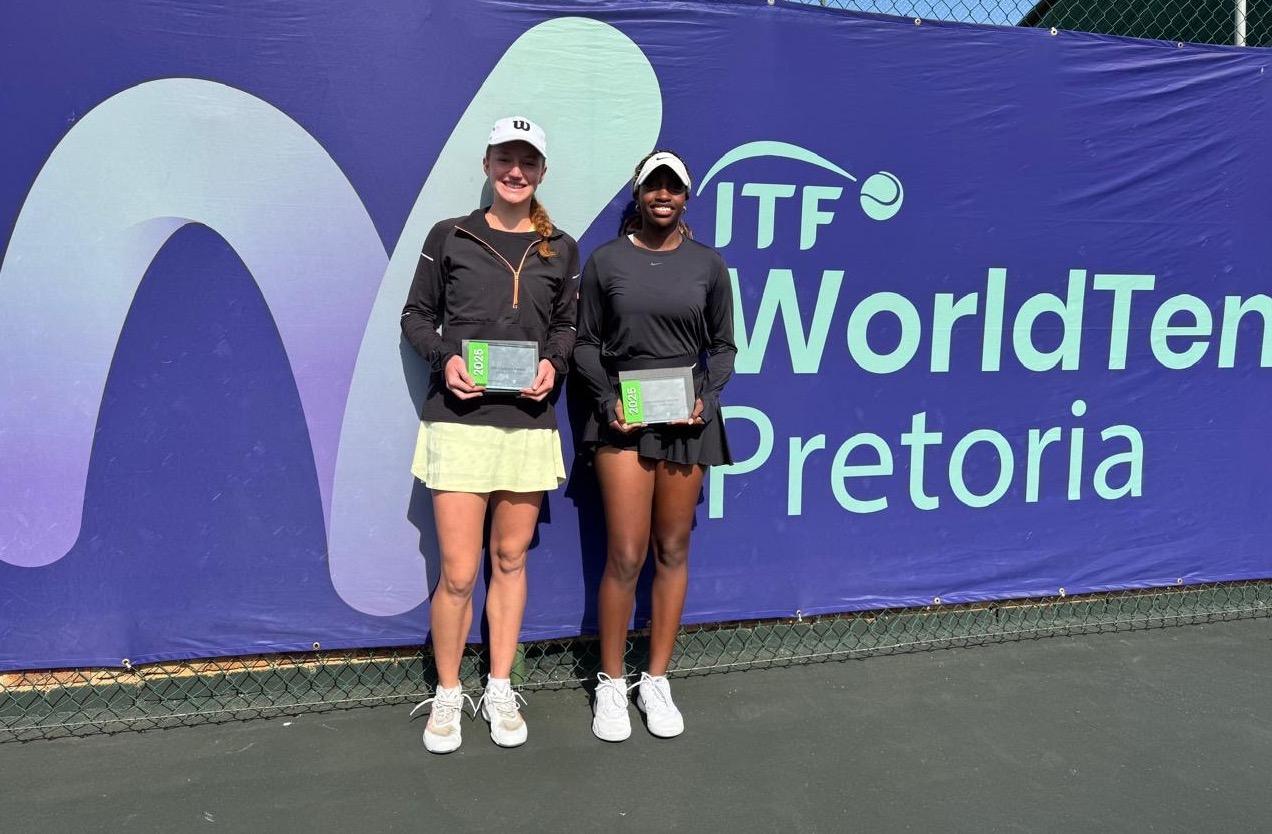
“Three players from the Balderstone Sport Institute Junior Tennis Academy — Kamil Parmessar, Janine Ramiah and Morgan Maré — represented South Africa at their first International Tennis Federation tournament in Botswana, gaining valuable experience against international opposition. Their debut highlights the importance of competitive opportunities, quality coaching and sustained investment in junior tennis as South Africa works to develop future professional players.”
South African junior players take an important international step
South African tennis continues to depend on the development of young players who can compete confidently beyond their domestic surroundings. A significant step in that process came when three players from the Balderstone Sport Institute Junior Tennis Academy competed in their first International Tennis Federation tournament in Botswana. Kamil Parmessar, Janine Ramiah and Morgan Maré represented South Africa at the event, marking an important milestone in their sporting development.
The tournament gave the young players an opportunity to experience international competition, test their abilities against unfamiliar opponents and understand the demands associated with progressing through the tennis pathway. Although a first international appearance does not guarantee future professional success, it can provide lessons that are difficult to reproduce during ordinary training sessions or local competitions.
The development was reported by Network News on 11 September 2026. According to the report, the players competed against strong opposition, while Balderstone Sport Institute head of marketing Roger King emphasised the importance of international exposure in preparing juniors for higher levels of tennis. He also acknowledged the guidance provided by Coach Braden from JL’s Tennis Academy.
For South African tennis, the significance of this milestone extends beyond the participation of three individuals. It demonstrates how academies, coaches and international competition can work together to help aspiring players understand what is required to advance in the sport.
Why international competition matters
Junior tennis development requires more than learning how to serve, return and construct points. Young athletes must also develop tactical awareness, emotional control, physical endurance and the ability to adapt when their opponents present unfamiliar challenges.
International tournaments introduce players to different playing styles, match conditions and competitive expectations. An opponent may rely on aggressive baseline hitting, while another may use defensive consistency, changes of pace and clever court positioning. Facing these differences encourages players to assess situations quickly and adjust their strategies.
For Parmessar, Ramiah and Maré, their first ITF tournament represented an opportunity to experience those demands directly. The available report does not provide their individual match scores or final standings, so their results should not be assumed. Nevertheless, participation itself provided exposure to the international competitive environment.
Such experiences can help young athletes identify strengths and weaknesses that might otherwise remain unnoticed. A player who performs well in domestic matches may discover that international opponents return serves more consistently or exploit weaknesses more effectively. That realisation can inform future training priorities.
Similarly, players may learn to manage pressure when matches become close. The ability to recover after losing a set, maintain concentration during long rallies and make sensible decisions at crucial moments is central to competitive tennis.
International experience also teaches athletes to manage unfamiliar surroundings. Travel, tournament schedules, warm-ups and recovery routines can affect performance. Learning to handle these responsibilities early can make later international assignments less intimidating.
The importance of coaching and structured development
Behind every developing tennis player is a network of people responsible for training, guidance and encouragement. Coaches help athletes refine their technique, understand tactics and establish habits that support consistent performance.
The involvement of Balderstone Sport Institute and JL’s Tennis Academy in the Gauteng trio’s development illustrates the contribution that structured training environments can make. Network News specifically recognised Coach Braden’s support during the Botswana tournament.
Effective coaching involves more than correcting technical mistakes. Young athletes need individual development plans that reflect their abilities, physical maturity and competitive goals. Coaches must determine when to emphasise technical improvement, when to introduce more demanding competition and how to prevent excessive training from undermining performance.
For junior players, the transition from promising local competitor to international contender can be challenging. Improvements that produce quick results at one level may not be sufficient against stronger opponents. Training therefore needs to evolve as players gain experience.
Video analysis, match statistics and carefully structured practice sessions can help athletes understand their performance. Coaches can examine serve placement, unforced errors, return positioning and point construction to identify areas requiring attention.
Mental preparation is equally important. Players need to develop routines that help them remain composed after mistakes, focus on the next point and respond constructively to setbacks. These skills are especially valuable when competing away from home.
The financial realities of pursuing professional tennis
One of the biggest challenges facing aspiring professional tennis players is the cost of sustained participation. Training, equipment, coaching, tournament entry fees, accommodation, transport and international travel can create substantial financial demands for families.
A successful junior pathway often requires regular access to competitive tournaments. However, talented players may struggle to gain sufficient experience if they cannot afford to travel frequently or compete against stronger opponents.
International appearances can therefore become an important investment in development, but they must be supported by realistic financial planning. Families, academies, sporting organisations and sponsors all have potential roles in helping athletes access suitable opportunities.
Support does not necessarily have to take the form of large sponsorship agreements. Assistance with travel costs, equipment, tournament preparation or accommodation can make a meaningful difference to a young player’s ability to participate.
Schools and training institutions can also help by coordinating academic responsibilities with sporting commitments. Young athletes need to continue their education while pursuing tennis, particularly because professional success is uncertain and careers can be affected by injury or changing circumstances.
For South Africa to develop a broader pool of competitive players, access to development opportunities should not depend exclusively on a family’s financial resources. More accessible coaching programmes, regional competitions and transparent support systems could help identify talent across different communities.
Building a stronger pathway from local courts to international tournaments
South Africa has a long history in international tennis, but maintaining a strong presence requires consistent development at grassroots and junior levels. The progression from introductory coaching to professional competition involves several stages, each requiring appropriate support.
Children first need opportunities to discover the sport and develop fundamental skills. Community clubs, school programmes and accessible courts can help create that foundation. As players improve, local leagues and provincial competitions provide opportunities to measure progress.
National junior tournaments then offer more demanding competition and can help identify athletes ready for international events. ITF competitions provide another step, allowing players to experience the standards and pressures associated with international tennis.
The Gauteng trio’s debut in Botswana fits into this broader pathway. It represents an early international experience rather than proof that the players have already established professional careers.
The next challenge is ensuring that promising juniors receive continued opportunities to improve. One international tournament can provide valuable lessons, but sustained development generally requires repeated competition, consistent coaching and measurable progress over time.
Sporting organisations and academies can support this process by communicating realistic expectations to players and families. Development should be assessed through more than immediate results. Technical improvement, tactical maturity, fitness, resilience and the ability to compete consistently are also important indicators.
Expanding opportunities for girls and boys
The participation of both male and female players in junior development is important for the future of South African tennis. Ramiah’s inclusion alongside Parmessar and Maré illustrates the value of supporting young athletes across the game.
Girls and boys should have access to quality coaching, suitable competition and environments where they can develop without discrimination or unnecessary barriers. Schools and clubs can encourage participation by providing welcoming programmes and recognising achievement at different levels.
For young female players in particular, visible opportunities to compete internationally can help demonstrate that ambitious sporting goals are attainable. Continued support, positive coaching and appropriate competition are essential to turning early participation into sustained progress.
The broader objective should be to build a development system in which talented players can continue advancing regardless of their background. That means encouraging participation while also creating clear routes for athletes who demonstrate the commitment and ability to pursue more competitive tennis.
Botswana’s role in regional tennis development
International competition does not always require travelling to Europe, North America or Australia. Regional tournaments in Africa can provide valuable opportunities for South African players to gain experience against international opposition.
Botswana’s role as the setting for the trio’s first ITF tournament illustrates how regional events can contribute to player development. Competing in another African country can introduce young athletes to new opponents while allowing them to gain international experience without necessarily undertaking the longest possible journeys.
Regional competition can also strengthen sporting relationships between countries. Players, coaches and tournament organisers benefit from opportunities to exchange knowledge and build connections across the continent.
A stronger African tennis environment would offer more athletes regular access to suitable competition. Better coordination of tournament calendars, coaching initiatives and development programmes could help reduce some of the practical difficulties associated with international participation.
However, regional events should complement rather than replace a broader competitive pathway. As players progress, they may need exposure to different playing conditions and increasingly challenging fields.
Measuring progress beyond one tournament
The most useful measure of the Gauteng players’ experience will be how they apply what they learned. Their debut provides a starting point for evaluating future training priorities, not a final verdict on their potential.
After an international tournament, players and coaches can review match experiences, identify recurring problems and set achievable objectives. Those objectives might involve improving first-serve consistency, reducing unforced errors, strengthening defensive movement or making better decisions under pressure.
Progress should be reviewed over time. A player may initially struggle against stronger opponents but gradually become more competitive through training and repeated exposure. Conversely, early victories do not remove the need for continued development.
Parents and coaches can support this process by maintaining realistic expectations and encouraging athletes to learn from both wins and losses. Excessive pressure to produce immediate results can undermine confidence and reduce enjoyment of the sport.
Young athletes also need appropriate recovery, physical conditioning and injury-prevention practices. Tennis places considerable demands on the shoulders, knees, ankles and lower body, particularly when training volumes increase. Qualified guidance can help players develop safely.
What the milestone means for South African tennis
The international debut of Kamil Parmessar, Janine Ramiah and Morgan Maré is a useful reminder that future sporting achievements begin with opportunities to learn and compete. Their experience in Botswana highlights the contribution of academies, coaches and international tournaments to the development of young South African players.
The report does not establish that the trio will become professional stars, nor does it provide detailed match results. What it does demonstrate is that they have taken an important step into international competition, gaining exposure that can inform their continued development.
South Africa’s challenge is to ensure that such opportunities become part of a sustainable system. That means supporting grassroots participation, improving access to coaching, helping families manage costs and creating a competitive pathway that gives promising juniors room to progress.
Ultimately, developing successful tennis players is a long-term undertaking. It requires patience, discipline, appropriate investment and cooperation between athletes, families, coaches, institutions and sporting bodies.
For the Gauteng trio, their first ITF tournament in Botswana marks the beginning of a new learning experience. The next chapter will depend on how they build on that experience, respond to future challenges and continue developing their games.
For South African tennis, their appearance offers a positive example of junior participation in international competition and a reminder that tomorrow’s achievements are built through the opportunities provided today.



