




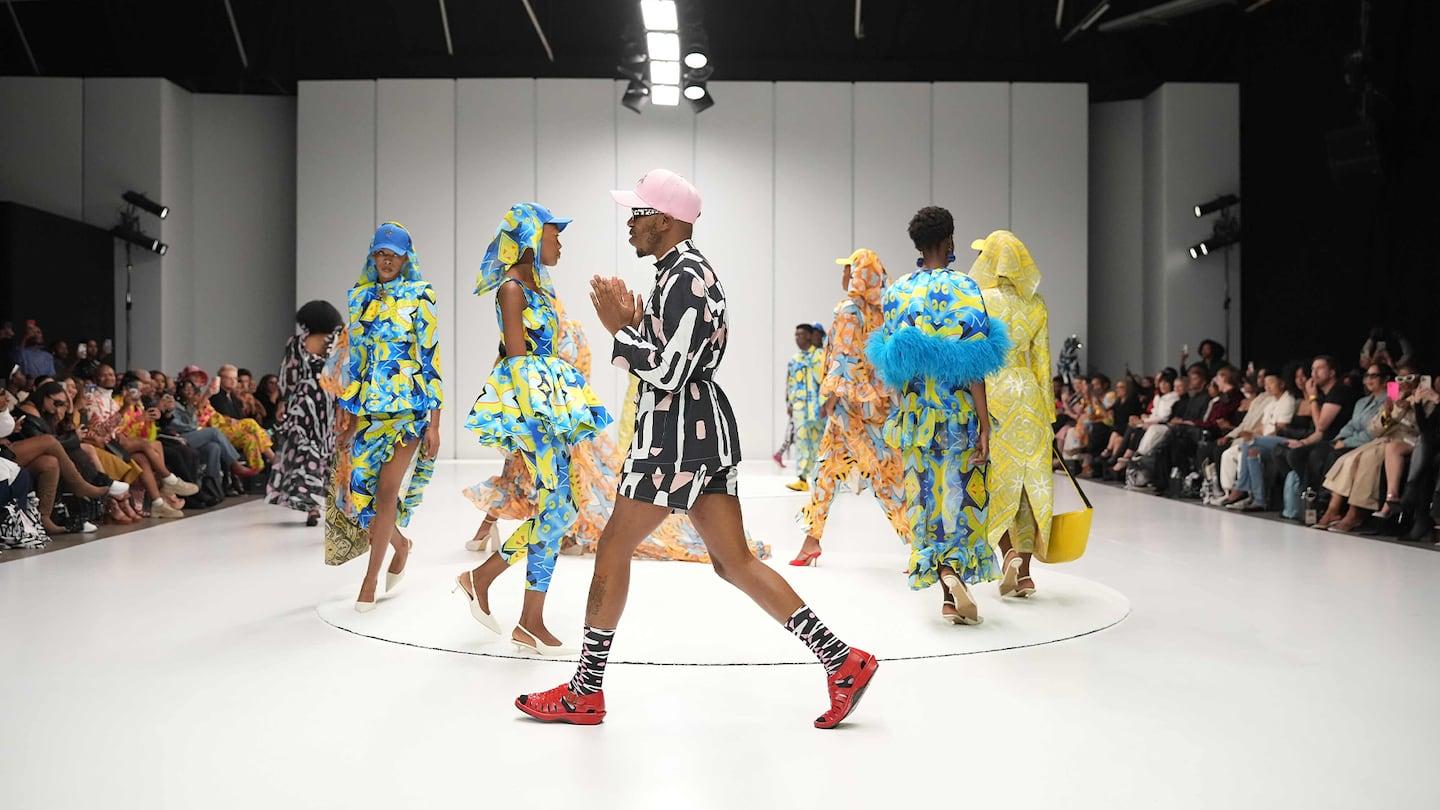
“South African Fashion Week (SAFW) is preparing to bring fashion, dance and sporting culture together through its Autumn/Winter 2027 collections programme in Johannesburg, including collaborations between Black Coffee and Joburg Ballet and a special presentation titled Field to Fashion. The wider October programme also includes South Africa’s first Pierre Cardin Young Designers Award, creating opportunities for emerging designers to receive professional mentorship and present their work to industry representatives.”
South African Fashion Week expands its creative vision
South African Fashion Week is preparing for a significant moment in the country’s fashion calendar as it brings designers, performers, stylists and emerging creative talent together in Johannesburg in October 2026. Its Autumn/Winter 2027 collections programme is scheduled to take place at The Forum, Hyde Park Corner, from 20 to 25 October, according to the event’s official announcement. The programme aims to demonstrate how fashion connects with other creative industries, including dance, sport, photography and contemporary culture.
The announcement represents an important development for South African fashion events because it places the runway within a broader cultural conversation. Rather than presenting garments exclusively as products to be viewed by an audience, the programme explores how clothing communicates identity, movement, creativity and social belonging.
For designers, such events can provide an opportunity to introduce collections to buyers, journalists, potential collaborators and consumers. They can also help independent labels strengthen their identities and explain the ideas behind their work.
Founded in Johannesburg in 1997, South African Fashion Week has developed into a platform connecting established designers and emerging creatives with education, manufacturing, media, retail and commercial opportunities. Its upcoming programme continues that industry-focused approach by bringing different artistic disciplines into the fashion environment.
Black Coffee and Joburg Ballet bring movement to the runway
One of the most distinctive announcements concerns a collaboration between fashion designer Jacques van der Watt’s Black Coffee label and Joburg Ballet. According to the official announcement published on 7 October, the presentation is scheduled for 22 October and will combine the designer’s latest collection with a ballet performance choreographed by Joburg Ballet soloist Chloé Blair.
The partnership creates an opportunity to explore the relationship between clothing and the moving human body. Traditional runway presentations usually focus on models walking in carefully styled garments. A dance-led presentation can add another dimension by showing how fabric, tailoring and silhouette behave during movement.
Ballet requires precision, balance, strength and control. Fashion design, meanwhile, involves decisions about proportion, construction, material and the relationship between clothing and the body. Bringing these disciplines together allows audiences to experience their shared visual language.
Black Coffee’s structural approach to design is particularly relevant to this concept. Through the collaboration, garments become part of a performance rather than remaining static objects. The movement of the dancers can reveal details that might otherwise be overlooked during a conventional runway walk.
The presentation also marks Joburg Ballet’s debut at South African Fashion Week during the company’s 25th anniversary year. This connection gives the collaboration significance beyond a single fashion show, creating an opportunity for the ballet company to reach audiences who may not regularly attend dance performances.
For fashion audiences, the performance offers a different way to understand a designer’s creative intentions. For dance audiences, it introduces fashion as an expressive art form that can influence how movement is perceived.
The collaboration could also generate opportunities for photography, video production and digital storytelling. These formats are increasingly valuable for designers seeking to reach audiences beyond the physical event. Nevertheless, its commercial impact will depend on audience response, media attention and any subsequent opportunities for the participating creatives.
Field to Fashion explores the relationship between sport and style
Another major highlight is Field to Fashion, scheduled for 24 October as part of the Autumn/Winter 2027 programme. The initiative will bring together South African designers and leading stylists to explore how sporting culture influences clothing and personal style.
Sport and fashion have long intersected in public life. Athletes’ arrivals at stadiums, pre-match appearances, post-match interviews and personal social media accounts can influence what audiences consider fashionable. Sporting clothing has also expanded beyond performance wear into everyday streetwear, casual dressing and premium lifestyle products.
Field to Fashion aims to explore these connections by translating sporting influences into individual looks created through styling and South African design.
The concept is significant because it recognises that fashion does not exist only on catwalks or in luxury boutiques. It is also expressed through football shirts, sneakers, tracksuits, accessories and the clothing people choose to represent their identities.
For South African designers, this creates an opportunity to connect their work with audiences who follow sport more closely than conventional fashion media. Such audiences may include young consumers, streetwear enthusiasts, sports supporters and people interested in local brands.
The event could also encourage collaborations between designers, athletes, sports organisations, stylists and commercial partners. If these relationships develop beyond the runway, they may create new opportunities for capsule collections, promotional campaigns and other creative projects.
However, these are potential outcomes rather than confirmed agreements. The announced purpose is to bring sport-inspired styling and South African design together in a fashion presentation.
By incorporating sporting culture into its programme, SAFW is demonstrating how fashion events can respond to the ways people actually encounter and use clothing in everyday life.
Pierre Cardin Young Designers Award brings international attention
The October fashion calendar extends beyond the main SAFW collections. The Pierre Cardin Young Designers Award is scheduled to take place in Johannesburg from 19 to 21 October 2026 in collaboration with South African Fashion Week. The programme will include a workshop for fashion students, professional mentorship and a final presentation featuring the participating designers.
The competition’s arrival in South Africa is important because it creates a formal connection between local emerging talent and an established international fashion house.
According to the organisers, the programme begins on 19 October with a workshop where students will meet Rodrigo Basilicati Cardin and members of the Pierre Cardin design team. Participants will present their creative projects and engage in discussions about innovation, design and the future of fashion.
The competition is expected to culminate on 21 October at The Forum, Hyde Park Corner, with a Pierre Cardin fashion show and the announcement of the winning designer.
For young designers, opportunities to receive professional feedback can be valuable. Developing a fashion collection requires more than producing attractive garments. Designers must also understand construction, materials, target audiences, presentation, production costs and the practical requirements of building a sustainable business.
Mentorship can help emerging creatives identify weaknesses in their work, refine their design direction and better understand the expectations of the industry.
The international programme has previously involved more than 170 young designers, with over 17 finalists receiving paid internships at the Pierre Cardin Design Studio in Paris, according to the official announcement. These figures provide context for the competition’s international reach, although they do not guarantee similar outcomes for South African participants.
The South African edition therefore represents an opportunity rather than a promise of international employment. Its value will depend on the quality of the mentorship, the visibility available to participants and the relationships they establish during the event.
Emerging designers remain central to the programme
South Africa’s fashion industry includes established labels, independent businesses, student designers, manufacturers, stylists, photographers and retailers. Events that bring these groups together can help strengthen the connections between creative education and commercial activity.
The AW27 programme is expected to feature established designers alongside new creative voices working across couture, tailoring, menswear, streetwear, heritage, craft and contemporary African design.
This variety matters because South African fashion cannot be represented by a single aesthetic. Designers work with different cultural references, materials, construction techniques and interpretations of contemporary life.
Some labels focus on carefully tailored garments, while others experiment with streetwear, traditional craft, contemporary silhouettes or more conceptual forms of presentation. A diverse runway programme allows audiences to encounter these different approaches within one event.
For emerging designers, participating in a major fashion week can help them build professional portfolios and establish relationships with potential collaborators. It can also expose their work to audiences who might otherwise struggle to discover independent labels.
Nevertheless, visibility alone does not guarantee business success. Designers need access to reliable production, financing, retail distribution, marketing and customers willing to purchase their work. Events are most effective when the attention they generate can be converted into practical opportunities.
This is one reason SAFW’s stated emphasis on connecting education, mentorship, manufacturing, media and retail is important. The fashion week is positioned not only as a showcase but also as part of a wider industry ecosystem.
Fashion events create opportunities for South African businesses
Large fashion events can support a broad network of businesses beyond the designers appearing on the runway. Venues, event organisers, photographers, makeup artists, hair stylists, models, production teams, caterers and communications professionals may all contribute to delivering a successful programme.
For smaller businesses, these events can offer networking opportunities and help establish relationships with brands seeking creative services.
Fashion presentations can also generate material for online marketing. Photographs, interviews, backstage footage and collection videos allow designers to extend the life of a show beyond its scheduled dates.
This is especially relevant for independent labels that need to communicate their identity directly to potential customers. A well-presented collection can help audiences understand a brand’s design philosophy, craftsmanship and intended market.
Retailers may also use fashion events to identify emerging trends, assess new collections and discover designers whose products could appeal to their customers. However, actual sales and retail agreements depend on individual business decisions and should not be assumed simply because a brand participates.
For the South African fashion industry, the larger opportunity is to strengthen the relationship between creative recognition and commercial sustainability.
Designers need customers, production partners and routes to market. Manufacturers need viable orders, while retailers need products that meet consumer demand. Fashion events can bring these groups into contact, although sustained collaboration requires work beyond the runway.
Sustainability and the future of fashion
Sustainability is another important consideration for fashion businesses participating in contemporary industry events. The term can refer to the environmental effects of materials and production, the durability of garments, working conditions, waste reduction and the long-term financial viability of fashion businesses.
The SAFW programme is framed around moving South African designers towards sustainable businesses, according to its announcement about the art and sport collaborations.
For designers, sustainability can begin with practical decisions. Producing garments that are made to last, improving the use of fabric, selecting suitable materials and planning production according to demand can help reduce waste.
Smaller production runs may also allow independent labels to test consumer interest before committing to larger quantities. However, their financial feasibility depends on manufacturing costs, available resources and the market for the finished products.
Fashion events can support these conversations by providing opportunities for designers to explain their methods and for audiences to ask questions about how clothing is made.
It is equally important to distinguish between sustainability claims and demonstrated results. A fashion show may introduce a responsible design approach, but evidence about material sourcing, production conditions, waste reduction and supply chains is needed to evaluate its real impact.
As South African designers seek to build lasting businesses, the ability to combine distinctive creative identities with responsible and commercially realistic production could become an important competitive advantage.
Johannesburg’s role as a fashion destination
Johannesburg remains a significant meeting point for South African creative industries. Its designers, retail businesses, educational institutions, media organisations and event venues provide a setting in which fashion can connect with other commercial and cultural activities.
Hosting the AW27 collections at The Forum, Hyde Park Corner, gives the programme a central Johannesburg venue for its scheduled six-day run. The Pierre Cardin competition will also use The Forum for its concluding presentation, while the student workshop is scheduled for 19 October.
For visitors, the event offers an opportunity to experience several dimensions of the local fashion industry within a concentrated period. For industry professionals, it creates potential opportunities to meet designers, observe collections and identify future collaborations.
The city’s wider hospitality and service sectors may also benefit from visitors attending fashion-related activities. However, the scale of any economic impact cannot be established from the event announcements alone.
Successful event planning will depend on clear schedules, suitable transport arrangements, accessible ticket information and effective communication with attendees. These practical details are particularly important when several presentations and related activities take place across consecutive days.
Readers interested in attending should consult the official programme for the latest schedule and ticket information rather than relying on dates reproduced in secondary reports.
What the October programme means for South African fashion
The announced October programme illustrates how fashion events can expand beyond conventional runway presentations. By combining fashion with ballet, sporting culture and an international young-designer competition, South African Fashion Week is creating opportunities to connect different audiences and creative disciplines.
The collaboration between Black Coffee and Joburg Ballet places garments within a performance environment, while Field to Fashion examines how sporting culture influences contemporary style. Meanwhile, the Pierre Cardin Young Designers Award focuses on the development and recognition of emerging talent.
Together, these initiatives highlight several priorities for the local industry: creative experimentation, professional development, audience engagement and the construction of sustainable businesses.
Their long-term value will depend on what follows the event itself. Meaningful results could include stronger professional networks, new customer relationships, further mentorship, media exposure and commercial partnerships. These remain possible outcomes rather than confirmed achievements.
For emerging designers in particular, the opportunity to present work in front of a broader audience can be a valuable step in building a professional career. For established labels, collaborations may provide new ways to communicate their identities and reach consumers outside traditional fashion circles.
Ultimately, the success of fashion events should be measured not only by attendance or visual spectacle but also by their contribution to the people and businesses that make the industry possible.
South African Fashion Week’s October programme offers a compelling example of how design, movement, sport and education can meet on one creative platform. As Johannesburg prepares for the scheduled presentations, attention will turn to the collections, performances and emerging talent that shape the next chapter of South African fashion.



