




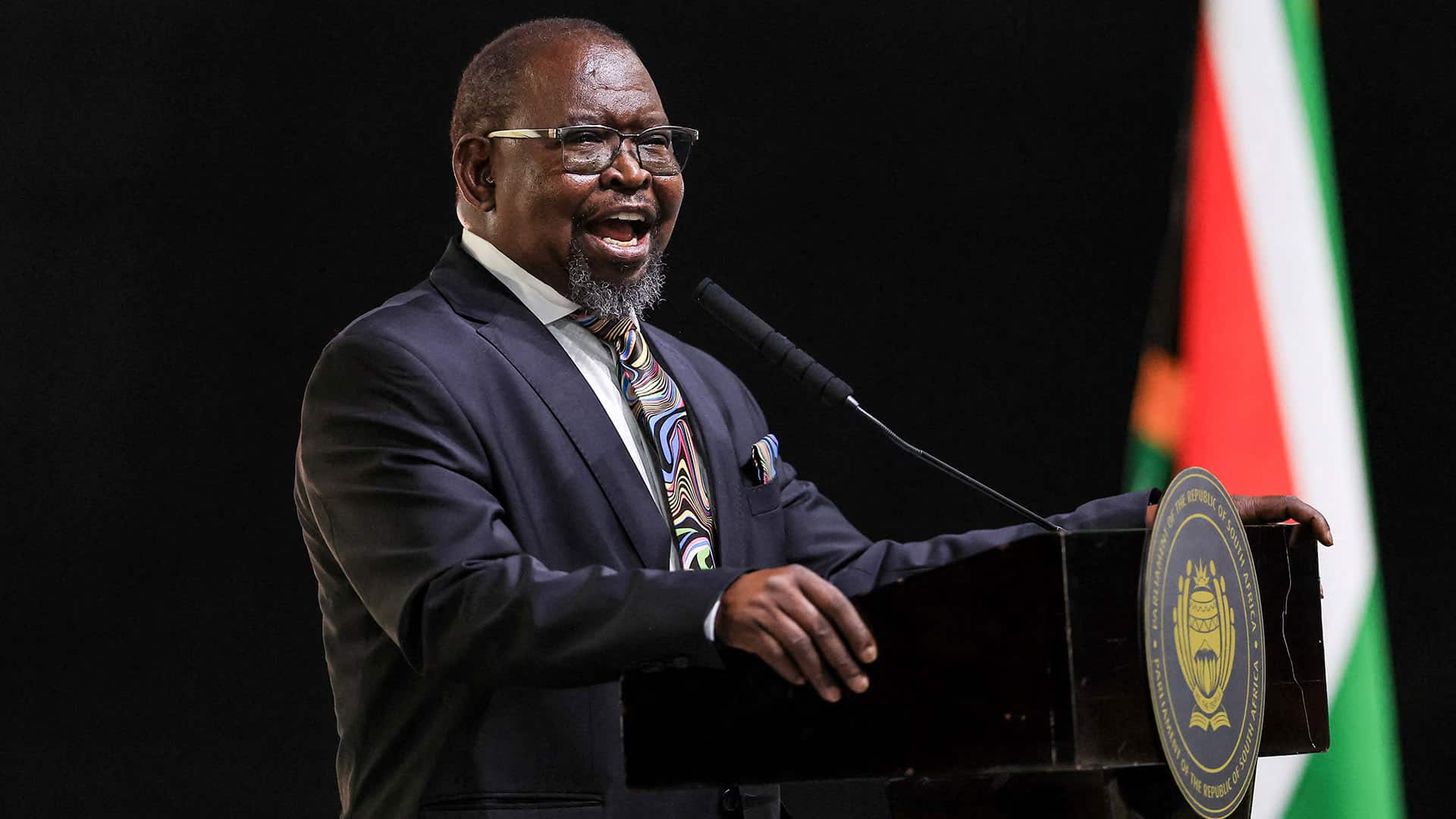
“Finance Minister Enoch Godongwana has suspended July 2026 equitable share transfers to 69 municipalities due to persistent irregular expenditure and failure to meet statutory obligations. The move, described as corrective rather than punitive, seeks to compel councils to adopt funded budgets and settle debts to critical service providers.”
South Africa’s fiscal governance has reached a critical juncture. On July 11, 2026, Finance Minister Enoch Godongwana announced the suspension of equitable share transfers to 69 municipalities, a drastic but necessary measure to address systemic financial mismanagement. This decision underscores the government’s determination to enforce accountability and ensure that local councils fulfill their obligations to citizens and creditors alike.
Background: Equitable Share and Its Importance
The equitable share is a constitutionally mandated transfer from the National Treasury to municipalities, designed to support service delivery and ensure financial sustainability. For many councils, these funds are the lifeline that enables them to provide electricity, water, sanitation, and other essential services. However, repeated patterns of unauthorized, irregular, fruitless, and wasteful expenditure (UIFWE) have eroded confidence in municipal governance.
The Scale of the Intervention
Godongwana emphasized that while Treasury has intervened in municipal finances annually, the current scale is unprecedented since 2016. The suspension affects municipalities across multiple provinces, reflecting widespread governance failures. The minister clarified that the freeze is not punitive but corrective, aimed at compelling councils to reform their budgeting and debt management practices.
Key Issues Identified
- Unfunded Budgets: Councils continue to adopt budgets without sufficient revenue streams, creating structural deficits.
- Unpaid Creditors: Municipalities owe billions to Eskom, water boards, SARS, and pension funds, undermining national service delivery.
- Irregular Expenditure: Persistent UIFWE has drained resources and compromised accountability.
Roadmap to Recovery
Godongwana outlined a three-step roadmap for municipalities to regain access to their equitable shares:
- Budget Reform: Councils must collaborate with Treasury to draft viable, funded budgets.
- Debt Settlement: Municipalities must submit binding payment schedules to settle arrears.
- Compliance Monitoring: Councils must demonstrate adherence to statutory obligations before funds are reinstated.
Implications for Service Delivery
The suspension has immediate consequences for communities reliant on municipal services. Without equitable share transfers, councils may struggle to maintain basic infrastructure. However, Godongwana argued that the intervention will ultimately enhance service delivery by forcing municipalities to prioritize accountability and efficiency.
Political and Economic Context
The decision comes amid broader concerns about South Africa’s fiscal health. With national debt levels rising and economic growth slowing, Treasury is under pressure to ensure that every rand is spent effectively. Local government mismanagement has long been a weak link in the country’s governance chain, and this intervention signals a renewed commitment to fiscal discipline.
Stakeholder Reactions
- Municipal Leaders: Some councils have criticized the suspension as heavy-handed, warning of disruptions to service delivery.
- Civil Society: Advocacy groups have welcomed the move, arguing that accountability is essential for sustainable development.
- Business Sector: Investors view the intervention as a positive step toward restoring confidence in South Africa’s governance structures.
Historical Precedent
Treasury has previously withheld funds from underperforming municipalities, but the current scale is the largest in a decade. In 2016, similar interventions were implemented, but with limited long-term impact. Godongwana’s roadmap suggests a more structured approach this time, with clear conditions for reinstatement.
Risks and Challenges
- Community Backlash: Residents may protest service disruptions.
- Political Resistance: Local leaders may resist Treasury’s oversight.
- Implementation Capacity: Ensuring compliance across 69 municipalities will require significant administrative resources.
Conclusion
Godongwana’s suspension of municipal equitable shares marks a turning point in South Africa’s fiscal governance. By prioritizing accountability and financial discipline, Treasury aims to restore confidence in local government and ensure that public funds are used effectively. While the short-term impact may be disruptive, the long-term benefits could include stronger institutions, improved service delivery, and enhanced economic stability.



