




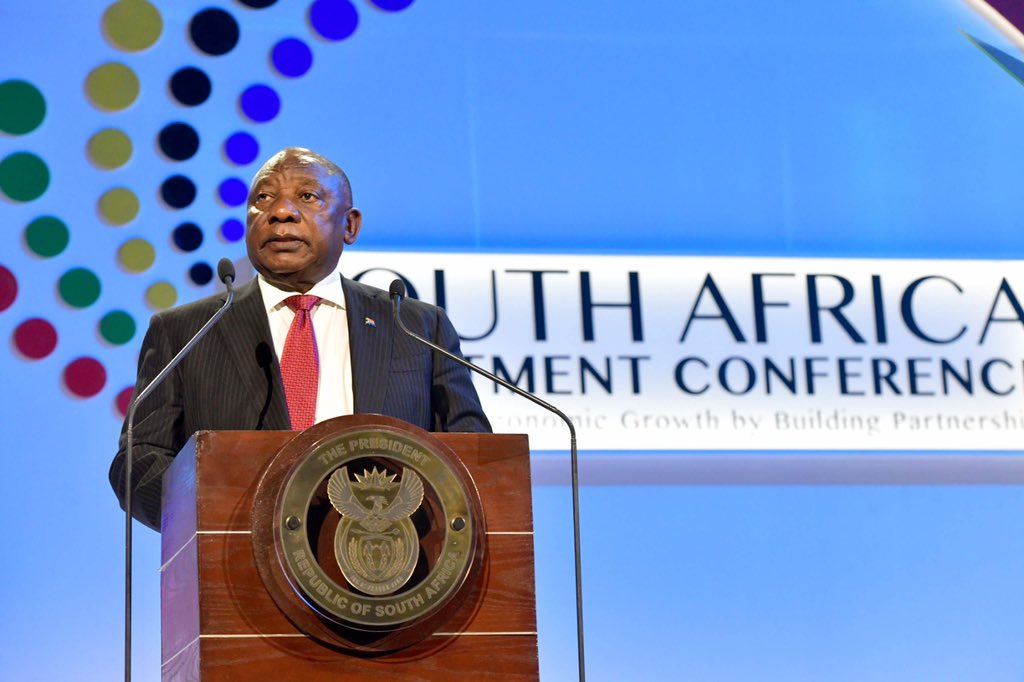
“President Cyril Ramaphosa today officiated the Google Cloud Summit Africa at the Sandton Convention Centre in Johannesburg, unveiling Google’s new investments in cloud computing and AI infrastructure for South Africa. The initiative supports the country’s Digital Public Infrastructure (DPI) agenda and aims to accelerate AI skills development, innovation, and economic growth across Sub-Saharan Africa.”
South Africa has taken a historic step in the global computing landscape with the inauguration of the Google Cloud Summit Africa. Held at the Sandton Convention Centre in Johannesburg on July 1, 2026, the summit was officiated by President Cyril Ramaphosa, who emphasized the transformative potential of cloud computing and artificial intelligence (AI) in reshaping Africa’s digital future. This event represents not only a technological milestone but also a strategic investment in South Africa’s economic modernization.
Context: South Africa’s Investment Drive
Earlier this year, President Ramaphosa launched the second Presidential investment mobilisation drive, targeting R2 trillion in new investments between 2026 and 2030. This framework, built on the pillars of decarbonisation, digitisation, and diversification, seeks to position South Africa as a hub for sustainable and digital innovation. The Google Cloud Summit aligns directly with this vision, reinforcing the government’s Ease of Doing Business agenda and advancing the Digital Public Infrastructure (DPI) strategy.
Google’s Commitment to South Africa
Google’s announcement at the summit included major investments in cloud infrastructure, AI research, and digital skills training. The company’s theme, “Google Cloud is building for Africa”, underscores its ambition to make South Africa a regional leader in cloud computing. These investments will:
- Expand data center capacity in Johannesburg and Cape Town.
- Support AI skilling programs for students and professionals.
- Enhance public-private collaboration on AI policy development.
- Provide cloud services tailored for African enterprises, enabling startups and established firms to scale globally.
Strategic Importance of Cloud Computing
Cloud computing is increasingly recognized as the backbone of modern economies. For South Africa, the benefits include:
- Lower barriers to entry for startups, who can access scalable computing power without massive upfront costs.
- Improved government services, through digitized public infrastructure.
- Enhanced competitiveness for local businesses in global markets.
- Job creation, particularly in IT, data science, and AI-related fields.
AI and Skills Development
A critical component of Google’s initiative is AI skilling. South Africa faces a shortage of advanced computing talent, and Google’s programs aim to bridge this gap. Training initiatives will focus on:
- Machine learning and data science courses.
- Cloud architecture certifications.
- AI ethics and governance frameworks, ensuring responsible deployment of technology.
Regional and Global Implications
The summit signals Africa’s growing role in the global computing ecosystem. By hosting the first Google Cloud Summit on the continent, South Africa positions itself as a gateway for digital innovation in Sub-Saharan Africa. This move also strengthens ties between African policymakers and global technology leaders, fostering collaboration on issues such as data sovereignty, cybersecurity, and AI regulation.
Challenges and Risks
While the opportunities are immense, challenges remain:
- Energy demands: Cloud data centers consume vast amounts of electricity, raising sustainability concerns.
- Digital divide: Ensuring rural and underserved communities benefit from these investments will be crucial.
- Policy alignment: Effective regulation is needed to balance innovation with privacy and security.
Conclusion
The Google Cloud Summit Africa represents a turning point in South Africa’s computing journey. By combining government leadership, private-sector investment, and global expertise, the country is poised to become a digital powerhouse. As President Ramaphosa highlighted, this initiative is not just about technology—it is about building inclusive growth, empowering citizens, and securing South Africa’s place in the digital economy of the future.



