




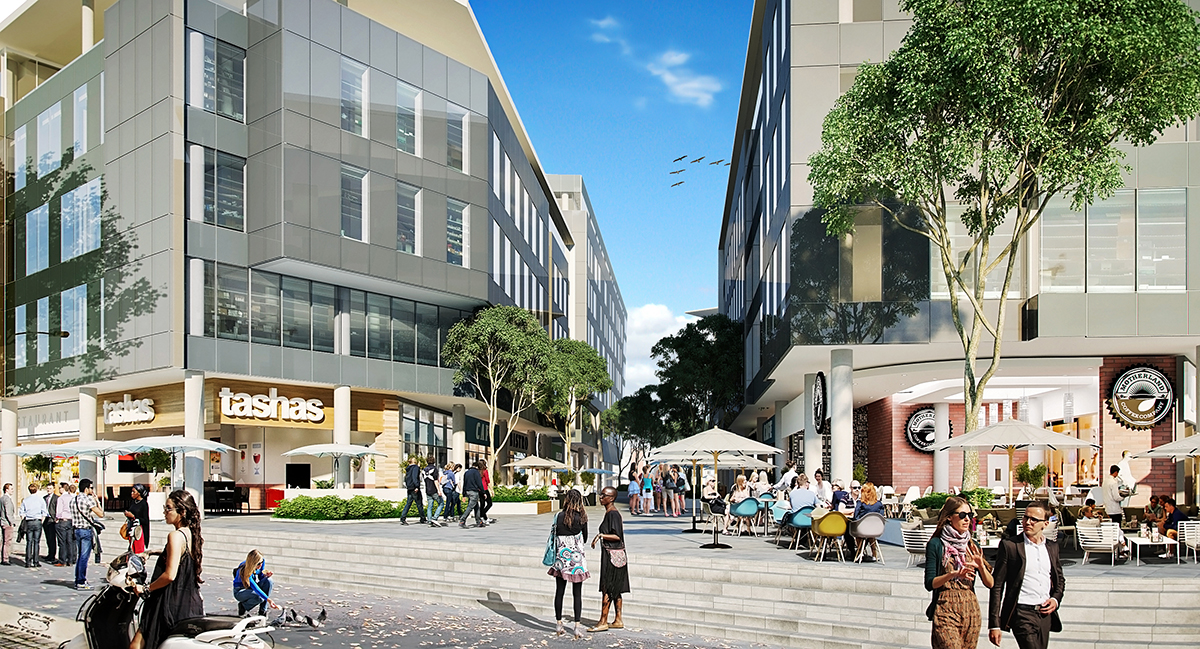
“South Africa’s real estate market is undergoing a remarkable transformation in 2026, with industrial properties driving growth through record-low vacancies and rising rentals. Developers are investing billions into logistics and warehousing projects, signaling renewed confidence and creating thousands of jobs.”
The South African real estate market in 2026 is experiencing a resurgence that few anticipated just a few years ago. After enduring pandemic-driven uncertainty, sluggish demand, and high vacancy rates, the sector is now rebounding with industrial real estate at the forefront. This revival is not only reshaping the property landscape but also signaling new opportunities for developers, investors, and communities across the country.
Industrial Real Estate: The Backbone of Recovery
Industrial properties have emerged as the backbone of South Africa’s real estate recovery. Vacancy rates have dropped to 3.8% nationally—the lowest in history. Rental growth has surged by 8.4% year-on-year for 500m² spaces, driven by logistics, warehousing, and last-mile distribution demand. Cape Town’s industrial corridors are experiencing unprecedented activity, with developers such as Fortress Real Estate Investments raising R1.35 billion to expand logistics projects.
This boom aligns with global trends where supply chain resilience and e-commerce growth continue to fuel demand for warehousing and distribution hubs. South Africa’s industrial sector is now seen as a critical enabler of economic growth, job creation, and infrastructure development.
Key Drivers of Growth
- E-commerce expansion: Online shopping has accelerated demand for last-mile distribution centers.
- Supply chain resilience: Companies are investing in local warehousing to mitigate global disruptions.
- Infrastructure development: Industrial growth is spurring road, port, and rail upgrades.
- Job creation: Thousands of new jobs are being created in logistics and construction.
Office Market Stabilization
While industrial real estate leads the charge, the office sector is showing signs of stabilization. National office vacancies dropped to 12.1% in Q2 2026, the lowest since early 2020. Cape Town is attracting professional services and hybrid teams seeking A-grade office space. Johannesburg, however, continues to face oversupply challenges, though strategic conversions of older stock into mixed-use developments are easing vacancy rates.
Retail Nodes Regaining Momentum
Retail, once under severe strain, is stabilizing. Lifestyle-focused malls and convenience centers are attracting steady foot traffic, driven by consumer demand for accessible, experience-oriented shopping. This stabilization is crucial as retail nodes often anchor mixed-use developments and contribute to community vibrancy.
Investor Confidence Returns
Real Estate Investment Trusts (REITs) are regaining investor confidence. Improved rental yields and stabilized vacancies are boosting returns, encouraging institutional investors to re-enter the market. This renewed trust is vital for long-term sustainability and growth.
Broader Economic Impact
The resurgence of industrial real estate is not just a property story—it is an economic one. By driving infrastructure upgrades, creating jobs, and supporting supply chain resilience, the sector is contributing to South Africa’s broader economic recovery. The ripple effects extend to transport, retail, and even residential markets, as communities benefit from improved accessibility and employment opportunities.
Conclusion
South Africa’s real estate development sector in 2026 is defined by resilience, adaptation, and opportunity. Industrial real estate has become the backbone of recovery, while office and retail markets show promising signs of stabilization. For developers, investors, and policymakers, the message is clear: the future of South African real estate lies in embracing industrial growth, mixed-use innovation, and community-focused development.



