




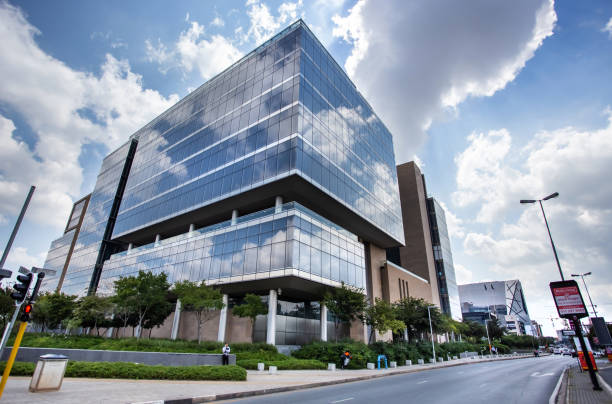
“South Africa’s commercial property sector is rebounding in 2026, with industrial real estate driving growth through record-low vacancies and rising rentals. Investor confidence is returning as REITs stabilize, offices adapt to hybrid workforces, and retail nodes regain momentum.”
After years of pandemic-driven uncertainty, South Africa’s real estate investment sector is entering a new phase of resilience and growth. August 2026 marks a turning point, with industrial properties spearheading recovery, offices stabilizing, and retail nodes regaining traction. This revival is reshaping investor sentiment and creating opportunities across the property spectrum.
Industrial Real Estate: The Star Performer
- Vacancy rates have dropped to 3.8% nationally, the lowest in history.
- Rental growth surged by 8.4% year-on-year for 500m² spaces.
- Demand is driven by logistics, warehousing, and last-mile distribution, reflecting global supply chain resilience and e-commerce expansion.
- Developers like Fortress Real Estate Investments raised R1.35 billion to expand logistics projects in Cape Town’s industrial corridors.
This industrial boom is not only reshaping property investment but also fueling job creation and infrastructure development, including road, port, and rail upgrades.
Office Market Recovery
- National office vacancies dropped to 12.1% in Q2 2026, the lowest since early 2020.
- Cape Town leads the recovery, attracting professional services and hybrid teams seeking A-grade office space.
- Johannesburg faces oversupply challenges, but conversions of older stock into mixed-use developments are easing vacancy rates.
- Suburban nodes are outperforming secondary CBD buildings, reflecting the shift toward decentralized office hubs.
Retail Nodes Stabilize
- Lifestyle-focused malls and convenience centers are attracting steady foot traffic.
- Consumer demand for experience-oriented shopping is driving recovery.
- Retail nodes are becoming crucial anchors for mixed-use developments, enhancing community vibrancy and sustainability.
Investor Confidence Returns
- Real Estate Investment Trusts (REITs) are regaining investor confidence.
- Improved rental yields and stabilized vacancies are boosting returns.
- Institutional investors are re-entering the market, signaling renewed trust in the sector’s resilience.
Broader Market Trends
- The South African Reserve Bank (SARB) has maintained a prime lending rate of 10.50% and a repo rate of 7.00%, providing stability for bondholders.
- Coastal properties in the Western Cape’s Garden Route and parts of KwaZulu-Natal remain in demand, while inland hubs like Gauteng show pockets of growth.
Risks and Challenges
- Johannesburg oversupply remains a concern, requiring strategic redevelopment.
- Elevated interest rates continue to pressure homeowners and first-time buyers.
- Retail recovery is uneven, with weaker nodes struggling to attract consistent foot traffic.
Conclusion
South Africa’s real estate investment sector in 2026 is rebounding strongly, led by industrial properties and supported by stabilizing office and retail markets. With investor confidence returning, REITs strengthening, and infrastructure expanding, the country’s property market is poised for sustained growth. For developers, landlords, and institutional investors, this is a pivotal moment to capitalize on the new wave of opportunities reshaping South Africa’s real estate landscape.



