




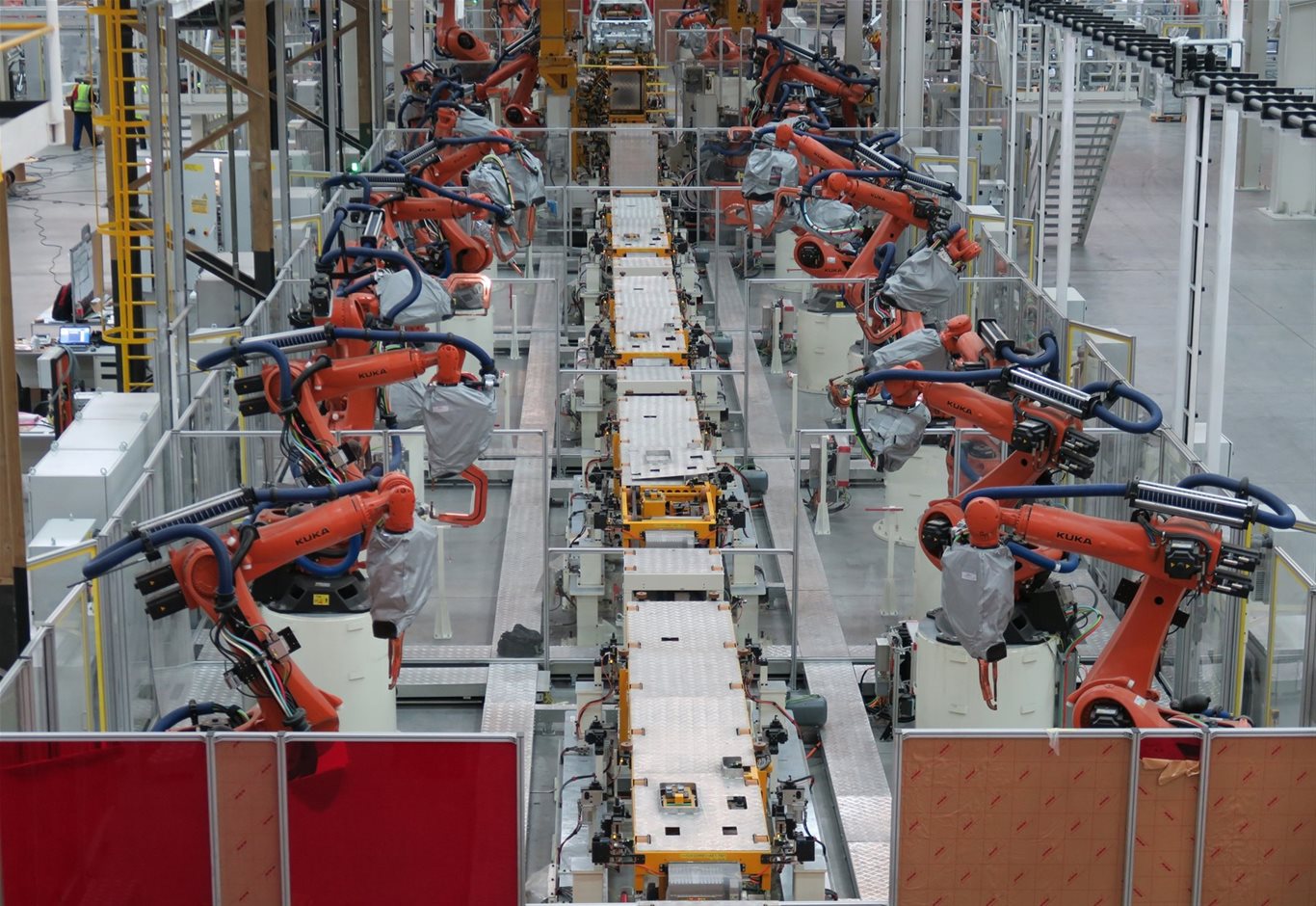
“A Johannesburg consortium has introduced an advanced AI-driven robotic system aimed at boosting manufacturing productivity and addressing workforce shortages. The initiative positions South Africa as a rising hub for robotics innovation, with potential ripple effects across the continent.”
South Africa’s robotics industry reached a significant milestone today with the unveiling of a new AI-powered robotic system by a consortium of Johannesburg-based technology firms and academic institutions. This initiative, announced at a press conference in Sandton, is designed to tackle pressing challenges in manufacturing, including labor shortages, rising production costs, and the need for globally competitive efficiency.
The Breakthrough
The system integrates machine learning algorithms, advanced sensors, and adaptive robotic arms capable of performing complex tasks with minimal human supervision. Unlike traditional industrial robots, which rely on pre-programmed routines, this new platform can learn from real-time data, adjust to unexpected changes, and optimize workflows dynamically. Engineers demonstrated how the robots could seamlessly switch between assembly, quality inspection, and packaging without requiring manual reprogramming.
Local Impact
South Africa’s manufacturing sector has long struggled with skills shortages and productivity gaps compared to global competitors. The consortium emphasized that the new system is not intended to replace workers but to augment human capabilities. By automating repetitive tasks, companies can reallocate employees to higher-value roles such as system monitoring, maintenance, and innovation. Training programs are being developed in partnership with local universities to ensure that workers can transition smoothly into these new roles.
Economic Significance
Industry analysts predict that widespread adoption of this technology could increase manufacturing output by up to 25% within the next five years. This would not only strengthen South Africa’s industrial base but also attract foreign investment into the country’s growing robotics ecosystem. The consortium has already secured pilot projects with automotive and consumer goods manufacturers, signaling strong commercial interest.
Global Context
Globally, robotics adoption has accelerated, particularly in Asia and Europe. South Africa’s entry into this competitive space is significant because it demonstrates that emerging economies can innovate rather than simply import technology. By developing homegrown solutions, the country reduces dependency on foreign suppliers and builds resilience against global supply chain disruptions.
Challenges Ahead
Despite the optimism, experts caution that high upfront costs, regulatory hurdles, and infrastructure limitations could slow adoption. Smaller firms may struggle to finance such advanced systems, and policymakers will need to establish clear guidelines for safety, data privacy, and labor transitions. The consortium acknowledged these challenges but expressed confidence that government support and private-sector partnerships would help overcome them.
Voices from the Industry
Dr. Thabo Mokoena, lead researcher on the project, stated: “This is not just about robots; it’s about reshaping South Africa’s industrial future. We are building systems that learn, adapt, and empower our workforce rather than replace it.” Union representatives echoed cautious optimism, noting that while automation often raises fears of job losses, the consortium’s commitment to retraining programs is a positive step.
Conclusion
The unveiling of this AI-powered robotic system marks a turning point for South Africa’s robotics industry. By combining cutting-edge technology with a focus on workforce development, the initiative offers a blueprint for how emerging economies can harness automation responsibly. If successful, it could position South Africa as a continental leader in robotics innovation, driving both economic growth and technological advancement.



