




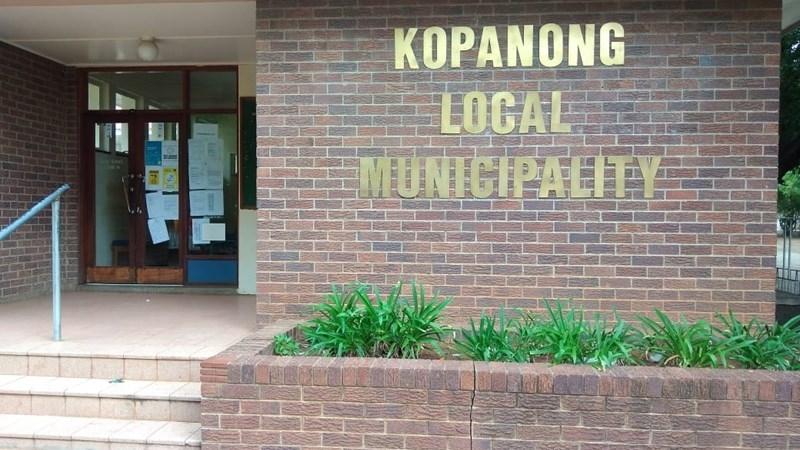
“Parliament of South Africa reported on 12 October 2026 that Kopanong Municipality had accumulated R378 million in unpaid pension contributions, against a broader municipal debt picture reaching R1.79 billion. The figures raise important questions about municipal financial management, obligations to employees, public accountability and the ability of local government to maintain reliable services.”
South Africa’s R1.79 Billion Municipal Pension Debt Puts Local Government Accountability Under Scrutiny
South Africa’s municipal governance system faces renewed scrutiny following a parliamentary warning about approximately R1.79 billion in outstanding pension fund contributions owed by 19 municipalities. The Standing Committee on Finance has raised concerns about the failure of municipalities to meet their obligations to employees, with Kopanong Local Municipality in the Free State accounting for R378 million of the reported debt. The issue highlights questions about financial administration, employee protection, public accountability and the effectiveness of government oversight.
According to Parliament’s announcement published on 12 October 2026, Kopanong has the largest outstanding amount among the municipalities identified, followed by Masilonyana Local Municipality, also in the Free State, with R156 million. Municipalities in the Free State and North West collectively account for 79.4% of the reported outstanding contributions. These figures have prompted parliamentary efforts to establish what corrective measures are being implemented and how those responsible will be held accountable.
Pension Contributions and Municipal Responsibilities
Pension contributions form an essential part of employment arrangements. Municipal employees depend on their employers to transfer the appropriate contributions into retirement funds so that their savings are properly recorded and managed. When municipalities fail to meet these obligations, employees may face uncertainty about their retirement benefits, particularly after years of public service.
The parliamentary findings indicate that the problem extends beyond an ordinary disagreement over municipal expenditure. South African municipalities have legal responsibilities concerning employee pension contributions. The Standing Committee on Finance has therefore called for explanations from the affected municipalities and relevant government departments.
The financial consequences can be particularly serious for workers approaching retirement. Employees may have spent decades contributing through their salaries, expecting that the corresponding payments would be transferred to the appropriate funds. If those payments remain outstanding, workers can face difficulties establishing the benefits available to them when they leave employment.
Reporting by SABC News on 9 October 2026 described complaints from municipal workers who reached retirement age and discovered that expected contributions had not been paid into their funds. These experiences demonstrate why pension administration should be treated as a central governance responsibility rather than a routine accounting function.
Kopanong Municipality at the Centre of the Debate
Kopanong’s reported R378 million liability places the municipality at the centre of the latest parliamentary concerns. Masilonyana’s R156 million outstanding amount further illustrates the scale of the problem within the Free State.
However, the figures alone do not establish precisely how the arrears accumulated, which administrative decisions contributed to them or what recovery arrangements may already exist. Those questions require detailed information from municipal management, relevant pension funds and the responsible government departments.
Parliament’s Standing Committee on Finance intends to seek this information directly. Committee chairperson Joe Maswanganyi announced plans to write to the ministers responsible for finance and cooperative governance and traditional affairs to establish what interventions are being implemented.
The committee also intends to communicate with each affected municipality through formal letters prepared with assistance from Parliament’s legal services unit. Municipalities are expected to respond to specific questions within prescribed timeframes, explaining how they intend to settle outstanding contributions and what consequence-management measures are being pursued.
This process could help distinguish between municipalities that have developed credible repayment arrangements and those that have yet to demonstrate an adequate response. Public reporting of the results would also allow residents and employees to understand whether the interventions are producing measurable progress.
Parliamentary Oversight and Consequences
The committee’s response demonstrates the role Parliament can play in scrutinising public institutions. Legislative oversight allows elected representatives to question government departments, examine financial problems and demand explanations about how public responsibilities are being fulfilled.
In this case, the committee has indicated that accountability must extend beyond identifying the outstanding amounts. Municipalities will also need to explain the corrective measures they are taking and the steps being considered against officials found responsible for failures.
Maswanganyi said the committee would pursue accountability and that those found responsible should face the consequences provided for by law. His comments reflect the seriousness with which the committee views the failure to meet pension obligations.
Nevertheless, accountability requires established facts and appropriate procedures. Determining individual responsibility involves examining records, identifying relevant decisions and distinguishing between administrative failures, financial constraints and possible misconduct. Any disciplinary or legal action should follow the applicable legal framework.
Parliament has also proposed bringing all affected municipalities together for a meeting where representatives would explain their outstanding obligations and plans for resolving them. Such a forum could enable committee members to compare responses, identify recurring administrative weaknesses and establish whether additional interventions are necessary.
The Wider Financial Management Challenge
The pension arrears form part of broader concerns about financial management across South African local government. Municipalities must balance operational expenses, infrastructure maintenance, employee obligations and the delivery of essential services. Effective financial administration requires these responsibilities to be planned and monitored consistently.
The pension figures raise questions about how municipalities prioritise payments, monitor cash flow and respond when financial obligations cannot be met on schedule. They also underline the importance of reliable accounting records and timely communication between municipal finance departments and retirement funds.
Importantly, the reported R1.79 billion relates specifically to outstanding pension fund contributions across the municipalities identified. It should not automatically be interpreted as a complete measure of municipal debt or proof that every affected municipality has identical financial problems.
The distribution of the reported debt, however, provides a reason for closer scrutiny of municipal financial controls. Where significant arrears accumulate, oversight institutions need to understand whether management systems identified the problem early, whether corrective action was taken and whether reporting arrangements were adequate.
The South African Local Government Association and the Department of Cooperative Governance and Traditional Affairs have participated in discussions concerning municipal pension contributions. Their involvement creates an opportunity to identify practical interventions, strengthen municipal administration and improve compliance with employment-related obligations.
Protecting Employees and Retirement Security
The people most directly affected by unpaid contributions are municipal employees whose future financial security depends on their retirement arrangements. Unlike an ordinary commercial dispute, missing pension contributions can affect workers who have limited influence over the decisions made by their employers.
Employees generally depend on payroll and finance departments to ensure that deductions and employer contributions are handled correctly. They may have little immediate visibility into whether the money has reached the relevant pension fund.
Consequently, municipalities should maintain transparent records, reconcile payments regularly and provide employees with reliable information about their retirement contributions. When discrepancies arise, workers need accessible channels through which they can seek clarification and assistance.
The parliamentary committee’s planned engagement with organised labour could help bring employee experiences into the discussion. Trade unions can contribute information about recurring problems, identify practical barriers to resolving claims and communicate workers’ concerns to relevant institutions.
The issue also reinforces the importance of clear procedures for investigating complaints. Employees approaching retirement should not have to rely exclusively on informal assurances from employers when their recorded contributions appear incomplete. Documented responses and verifiable payment records are essential to restoring confidence.
What Happens Next?
The immediate priority is to establish a clear account of the outstanding amounts and the measures available to resolve them. The committee has indicated that it will seek written explanations from the affected municipalities and engage the relevant ministers.
Those responses should clarify proposed repayment arrangements, the availability of funds, the expected implementation periods and the administrative or disciplinary steps being considered. They should also explain how future contributions will be protected against further arrears.
A meeting involving the affected municipalities could provide a further opportunity to test the credibility of their plans. However, meetings and written commitments will need to be followed by evidence of actual payments and improvements in financial administration.
The committee has also indicated its intention to engage organised labour when Parliament reconvenes in the following year. This could provide a platform for examining the impact on workers and considering additional measures to strengthen compliance.
Progress should ultimately be assessed against verifiable outcomes: outstanding contributions paid, employee records corrected, effective controls introduced and responsibility established where wrongdoing is proven.
Conclusion
South Africa’s reported R1.79 billion municipal pension contribution problem presents a significant test of local government accountability. Kopanong’s R378 million outstanding amount and Masilonyana’s R156 million liability illustrate the scale of the concerns identified by Parliament.
The Standing Committee on Finance has outlined a process involving ministerial engagement, formal questions to municipalities, possible joint hearings and discussions with organised labour. These steps could help establish the causes of the arrears and determine what action is required.
The central challenge is to turn parliamentary scrutiny into measurable improvements. Municipal employees need confidence that their retirement contributions are protected, while residents need assurance that public institutions manage their obligations responsibly.
The outcome will depend on transparent financial records, credible repayment plans, effective oversight and lawful consequences where responsibility is established. By publishing clear progress reports and verifying the implementation of corrective measures, the relevant institutions can demonstrate whether their response is addressing the problem.
The parliamentary findings therefore represent not only a financial concern but also an opportunity to strengthen municipal governance. Resolving the arrears and preventing their recurrence would help protect employees, improve institutional accountability and reinforce public confidence in South Africa’s local government system.



