




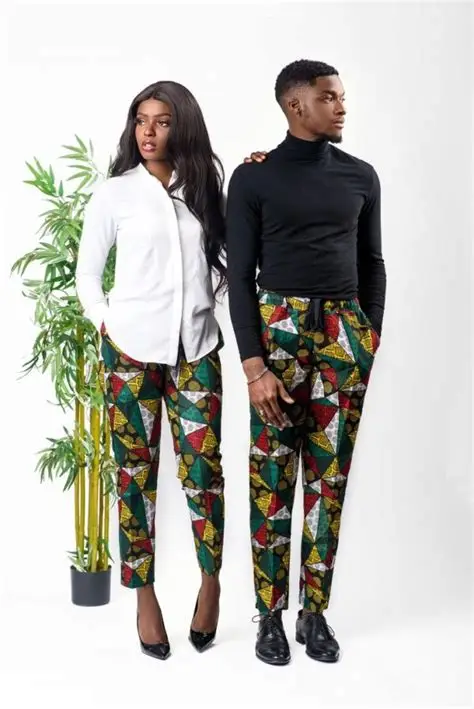
“The Local Fashion Police 2026 campaign, launched in Sandton, is spotlighting South African streetwear designers who merge oversized silhouettes, heritage prints, and sustainable practices. This initiative positions streetwear not only as a cultural backbone but also as a driver of economic growth and national pride.”
Streetwear in South Africa has evolved from a niche subculture into a mainstream fashion movement that embodies identity, rebellion, and cultural pride. On August 11, 2026, the launch of the Local Fashion Police 2026 campaign in Sandton marked a defining moment for the industry, blending sustainability, creativity, and heritage into a unified vision for the future of fashion.
The Campaign’s Purpose
The Local Fashion Police initiative, spearheaded by Proudly South African, aims to:
- Promote local designers by giving them national visibility.
- Encourage sustainable consumer choices, emphasizing locally made products.
- Support job creation through the growth of the textile industry.
- Celebrate cultural identity, showcasing diverse styles rooted in heritage.
This holistic approach ensures that fashion is not just about glamour but also about sustainability and national pride.
Streetwear as Cultural Backbone
South African streetwear in 2026 is defined by:
- Oversized silhouettes: Baggy cargos, roomy hoodies, bomber jackets, and loose denim dominate urban centers like Johannesburg and Cape Town.
- Sneaker culture: Sneakers remain the cornerstone of youth fashion, often paired with luxury streetwear.
- Heritage prints: Ndebele and Zulu-inspired motifs are reimagined into modern silhouettes, reinforcing cultural pride.
- Experimental graphics: Bold designs on hoodies and jackets appeal to younger audiences.
Influence of Amapiano Culture
Amapiano, South Africa’s globally recognized music genre, has become inseparable from fashion:
- Sneakers, luxury streetwear, and matching sets reflect Amapiano’s influence.
- Township luxe fashion blends designer bags with cargos, sportswear with tailored jackets, and sneakers with formal pieces.
This synergy between music and fashion creates a new aesthetic of identity-driven style.
Quiet Luxury Movement
While bold streetwear dominates, quiet luxury has emerged online:
- Neutral tones, tailored silhouettes, and minimal branding define this movement.
- It appeals to consumers seeking understated elegance while maintaining cultural relevance.
Sustainability and Economic Growth
The campaign emphasizes sustainability:
- Encouraging consumers to buy locally made fashion reduces reliance on imports.
- Supporting local designers strengthens the textile industry and fosters job creation.
- Partnerships with brands like TFG, Nando’s, and Krispy Kreme highlight the campaign’s broad appeal.
Launch Event Highlights
The Sandton launch featured:
- Keynote address by CEO Eustace Mashimbye.
- Designer showcases from Mpumelelo Dhlamini, Anel Botha, Thabo Makhetha, and Rivaldo Louw.
- Interactive exhibitions and live styling demonstrations.
- Celebrity appearances, with street-style looks reinforcing the campaign’s cultural relevance.
Participation and Social Media
Entries are open to all South Africans:
- Participants post photos or videos in local outfits on Instagram, TikTok, Facebook, or LinkedIn.
- Hashtags like #LocalFashionPolice2026 and #LovedHereMadeHere amplify the campaign’s reach.
- Prizes include designer fashion pieces and exclusive experiences.
Conclusion
The Local Fashion Police 2026 campaign represents a turning point in South African streetwear. By merging oversized silhouettes, heritage prints, Amapiano culture, and sustainability, the movement is redefining fashion as both an artistic and economic force. Streetwear is no longer just clothing—it is a cultural backbone, a statement of identity, and a driver of national pride.



