




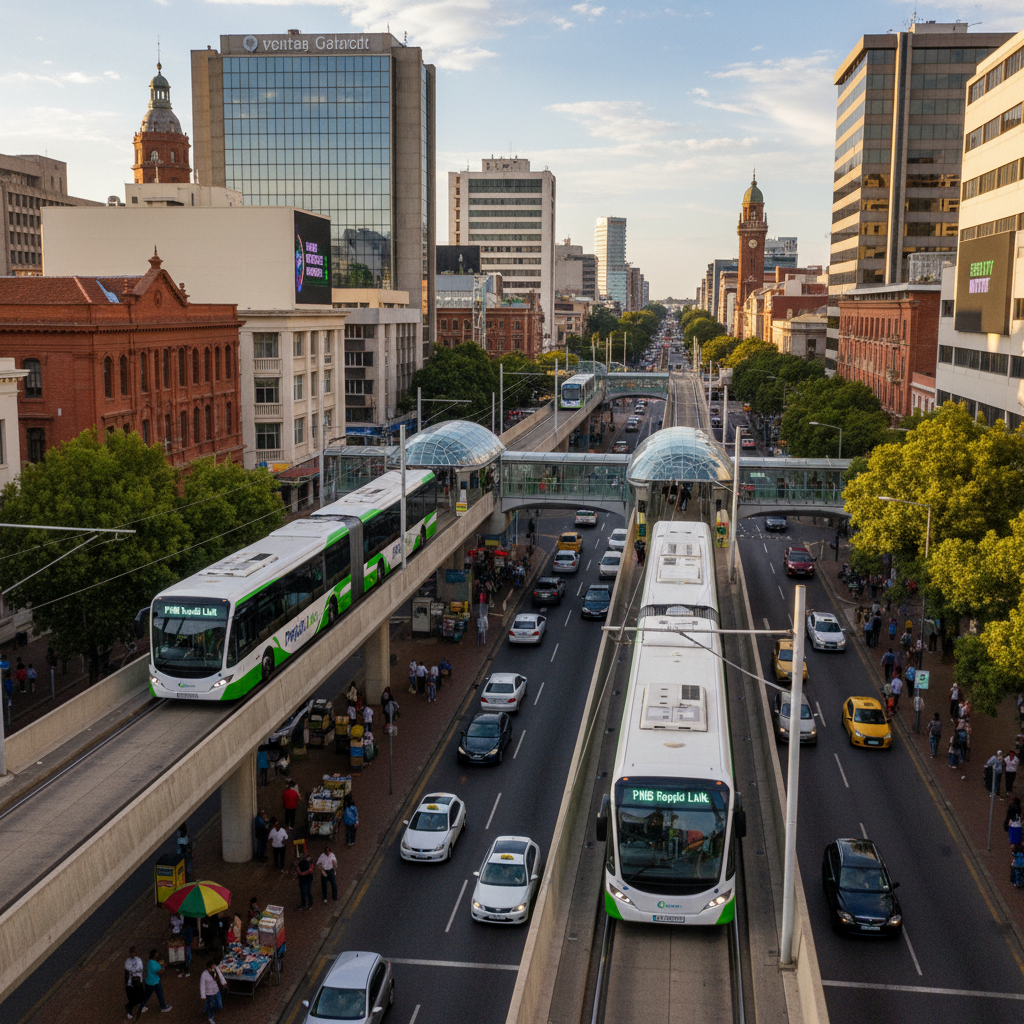
“Traffic across KwaZulu-Natal is heavily impacted today, with congestion reported on the N3 and N2 highways due to ongoing roadworks and crashes. Authorities warn motorists to expect delays, plan alternate routes, and prepare for long-term disruptions as construction continues for the next two years.”
Transport remains the lifeblood of South Africa’s economy, connecting Durban’s busy port to inland cities like Johannesburg and Pretoria. On September 29, 2026, KwaZulu-Natal’s transport network faced significant strain as roadworks and accidents disrupted traffic flow along the province’s most critical arteries—the N3 and N2 highways. These highways are not only vital for commuters but also for freight logistics, making today’s disruptions a matter of national concern.
Current Situation
Motorists traveling from Pietermaritzburg to Durban reported slow-moving traffic at Peacevale due to ongoing construction. The Marianhill Toll Plaza northbound lanes were reduced to one, causing bottlenecks. On the N2, congestion followed a crash near the KwaMashu Highway interchange, compounding delays already caused by roadworks.
Authorities have implemented contraflow systems on the N3 southbound carriageway, diverting vehicles onto the northbound lanes between Hammarsdale and Key Ridge. This measure, designed to facilitate construction of a new southbound carriageway, is expected to remain in place for two years. While necessary, it has created confusion and extended travel times for daily commuters and freight operators.
Economic Impact
The N3 corridor is South Africa’s most important freight route, linking Durban’s port—the busiest in sub-Saharan Africa—with Gauteng’s industrial hub. Delays on this route ripple across the economy, affecting delivery schedules, increasing fuel costs, and raising the risk of spoilage for perishable goods. Logistics companies have already voiced concerns about the long-term impact of these disruptions, warning that inefficiencies could undermine South Africa’s competitiveness in global trade.
Safety Concerns
Accidents remain a persistent issue. Today’s crash on Brickfield Road near Malls Tiles required emergency response, highlighting the dangers of congestion and reduced lanes. Motorists are urged to slow down near construction zones, yet many continue to speed, exacerbating risks. The Department of Transport has emphasized the need for patience and vigilance, reminding drivers that road safety is paramount during this period of infrastructure renewal.
Government Response
Transport Minister Barbara Creecy has framed these roadworks as part of a broader modernization strategy. The upgrades aim to expand capacity, improve safety, and support economic growth. However, critics argue that poor planning and communication have left motorists frustrated. Calls for better signage, real-time traffic updates, and alternative transport solutions are growing louder.
Long-Term Outlook
The construction projects are expected to last until 2028, with phased upgrades across multiple interchanges. Once complete, the N3 and N2 will feature expanded lanes, improved toll plazas, and enhanced safety measures. For now, however, commuters must brace for years of inconvenience. The government has promised to accelerate timelines, but skepticism remains high.
Public Reaction
Social media platforms are flooded with complaints from drivers stuck in traffic. Many express anger at the lack of clear detours, while others question whether the upgrades will truly deliver promised benefits. Freight operators, meanwhile, are lobbying for government subsidies to offset rising costs. The public mood reflects a mix of frustration and cautious optimism.
Conclusion
Today’s transport disruptions in KwaZulu-Natal underscore the challenges of balancing infrastructure development with daily mobility needs. While the long-term benefits of expanded highways are undeniable, the immediate costs—lost time, increased expenses, and heightened safety risks—are being felt across the province. For South Africa, the road ahead is both literal and figurative: a test of resilience, planning, and patience as the nation builds for the future.



