




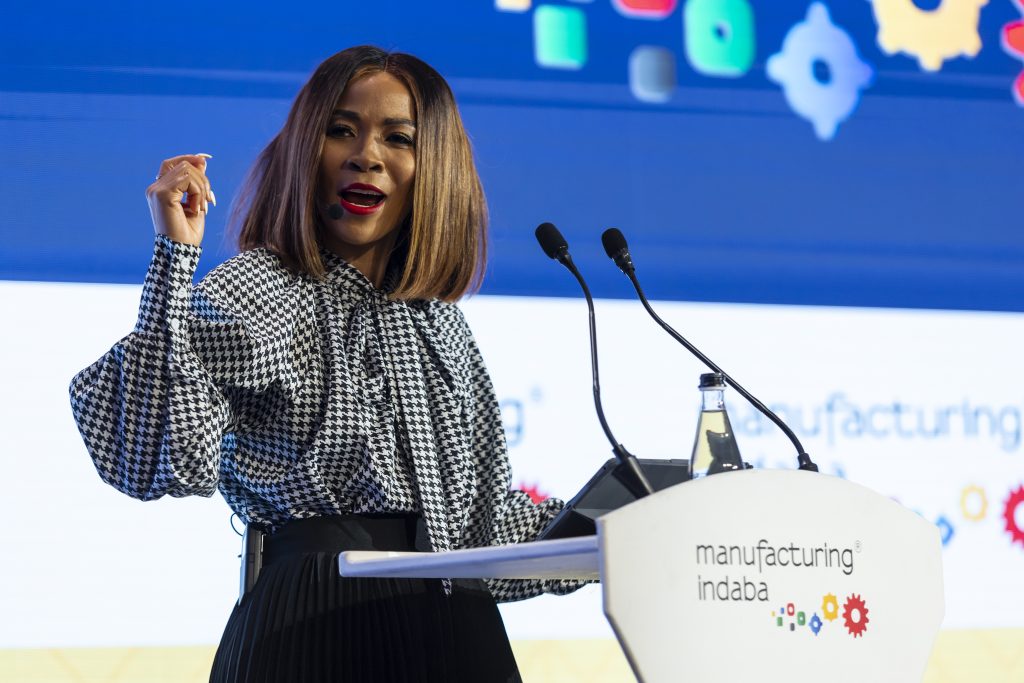
“The Manufacturing Indaba 2026, set for July 14–15 in Johannesburg, is positioning South Africa and the continent at the forefront of industrial innovation, with robotics, AI, and digital transformation now essential for global competitiveness. The event emphasizes localisation, regional trade under AfCFTA, and sustainable industrial growth, while addressing persistent challenges like energy insecurity and logistics bottlenecks.”
South Africa’s Manufacturing Indaba 2026 arrives at a pivotal moment for the continent’s industrial trajectory. With the African Continental Free Trade Area (AfCFTA) unlocking unprecedented opportunities, the Indaba is not just a conference—it is a blueprint for Africa’s industrial future.
The Five Pillars of Transformation
- Investment Attraction – Connecting manufacturers with financiers and government to expand industrial capacity.
- Market Access – Facilitating entry into local, regional, and global supply chains.
- Technology Adoption – Promoting robotics, AI, automation, and digital transformation.
- Skills Development – Preparing the workforce for Industry 4.0.
- Policy Engagement – Strengthening collaboration between state and industry.
Innovation as a Baseline Requirement
Unlike previous years where robotics and AI were seen as experimental, 2026 marks the point where these technologies are baseline requirements for global tenders. South African manufacturers must now integrate data analytics, automation, and smart systems to remain competitive.
Energy and Logistics Challenges
Despite progress, energy insecurity and logistics bottlenecks remain pressing concerns. Freight costs, port inefficiencies, and unreliable electricity supply continue to undermine competitiveness. The Indaba will spotlight alternative energy solutions and logistics reforms as critical enablers of industrial growth.
Regional and Global Context
The Indaba’s theme, “Made in Africa: Scaling Growth, Shaping Trade”, reflects the continent’s ambition to process raw materials locally, reduce dependence on imports, and build globally competitive industries. With Africa’s consumer market projected to be one of the fastest-growing worldwide, localisation offers immense opportunities.
Government Commitment
Deputy President Paul Mashatile and Trade Minister Parks Tau will headline the event, reaffirming South Africa’s commitment to industrialisation, localisation, and economic transformation. Their presence underscores the government’s recognition of manufacturing as a catalyst for job creation and economic resilience.
Impact on SMEs and Supply Chains
Manufacturing growth stimulates demand across sectors—logistics, mining, agriculture, engineering, and technology. Crucially, it creates opportunities for small businesses to integrate into regional supply chains, enhancing inclusivity and resilience.
Conclusion
The Manufacturing Indaba 2026 is more than a conference—it is a strategic intervention to position Africa as a global manufacturing powerhouse. By embracing innovation, localisation, and sustainable growth, South Africa is charting a path toward industrial competitiveness and economic transformation.



