




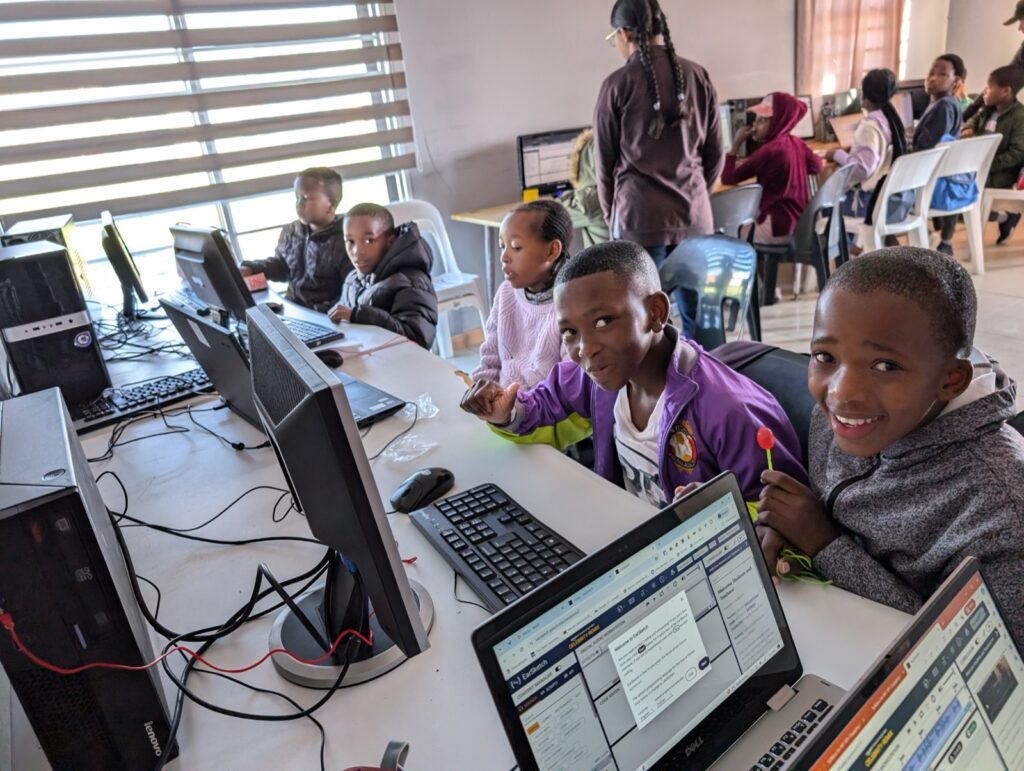
“South Africa is emerging as Africa’s leading digital hub, driven by major investments from global tech giants in cloud computing, AI, and cybersecurity. These initiatives are expected to create hundreds of thousands of jobs, boost small businesses, and contribute trillions to the economy by 2030.”
South Africa’s digital economy is undergoing a transformative shift, with President Cyril Ramaphosa announcing unprecedented investments from Google, Amazon Web Services (AWS), Microsoft, and Mastercard. These investments are not only reshaping the country’s technological landscape but also positioning South Africa as Africa’s digital hub.
Global Tech Commitments
- Google: Hosted its first African Cloud Summit in Johannesburg, unveiling the “Building for Africa” initiative. This includes a Digital Exchange Port in the Eastern Cape and a R3 million innovation center in Soweto to train local talent.
- Amazon Web Services: Committed R30.4 billion to expand cloud infrastructure, reinforcing South Africa’s role as the continent’s largest cloud market.
- Microsoft: Pledged R5.4 billion to strengthen AI and hyperscale cloud infrastructure.
- Mastercard: Launched its Africa Cybersecurity Centre of Excellence, starting in South Africa and Nigeria, to bolster cyber resilience.
Economic Impact
- Google’s Johannesburg Cloud Region could add R1.7 trillion to South Africa’s GDP by 2030.
- Cloud adoption among small, medium, and micro enterprises (SMMEs) could unlock R185 billion in economic value.
- These investments are projected to support 315,000 jobs by 2030.
Strategic Importance
South Africa’s ambition is not just about attracting investment but also about digital sovereignty. Ramaphosa emphasized the need for regulatory guardrails to protect citizens’ privacy and ensure national control over data.
Social Benefits
Digital technologies are being leveraged to address challenges in:
- Education: Cloud-based learning platforms.
- Healthcare: AI-driven diagnostics and telemedicine.
- Climate Change: Data-driven solutions for sustainability.
Risks and Challenges
- Cybersecurity threats: Growing reliance on cloud services increases vulnerability.
- Regulatory gaps: Balancing innovation with privacy protection remains critical.
- Dependence on foreign firms: Long-term sustainability requires building domestic capabilities.
Conclusion
South Africa is firmly on track to become Africa’s digital powerhouse. With billions in investment, a growing talent pool, and a focus on inclusive digital growth, the country is setting the stage for a secure, innovative, and globally competitive digital future.



