




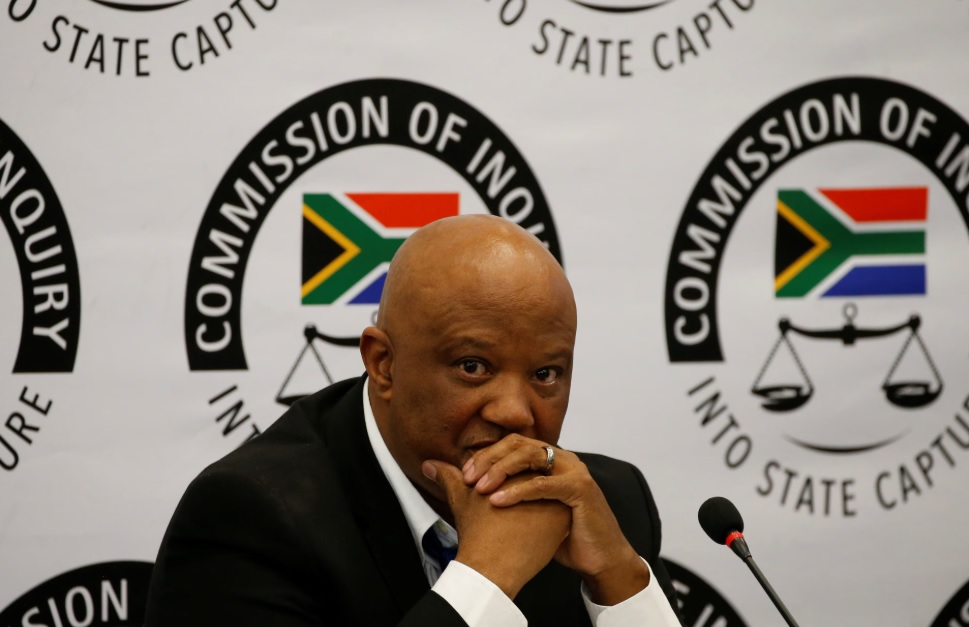
“MTN Group Chairman Mcebisi Jonas has denounced the intimidation of foreign nationals in South Africa, warning that politicians exploit public frustration by blaming immigrants instead of addressing systemic governance failures. He emphasized that unemployment, inequality, and corruption will persist regardless of immigration policies, urging South Africans to confront state dysfunction rather than scapegoat foreigners.”
South Africa’s political landscape has once again been shaken by a powerful intervention from civil society and business leadership. On June 27, 2026, MTN Group Chairman Mcebisi Jonas delivered a scathing critique of xenophobic rhetoric during his eulogy for Zimbabwean-born activist and public servant Thokozani Damasane in Johannesburg. His remarks have reignited national debate about the role of foreign nationals in South Africa’s economy and the dangers of scapegoating immigrants for deep-rooted structural problems.
Context of the Speech
Jonas’s comments come at a time when anti-immigrant sentiment has been rising across South Africa. Politicians from various parties have increasingly framed immigration as the root cause of unemployment, crime, and inequality. Marches and protests targeting foreign-owned businesses have become more frequent, often accompanied by violence and intimidation. Against this backdrop, Jonas’s intervention was both timely and courageous, challenging the narrative that foreigners are to blame for South Africa’s woes.
Key Arguments by Jonas
Jonas argued that South Africa’s economic stagnation, high unemployment, and persistent inequality are the result of governance failures rather than immigration. He stated:
- “Foreigners can leave tomorrow, inequality will be with us.”
- “Foreigners will leave tomorrow, unemployment will be with us.”
- “Foreigners will leave tomorrow, our police will remain corrupt.”
These remarks highlight his central thesis: the state has failed to manage education, law enforcement, border control, and economic policy. Politicians, he warned, exploit public anger by blaming foreigners instead of addressing systemic dysfunction.
Activism and Political Implications
Jonas’s speech resonates strongly with activism movements in South Africa that have long campaigned against xenophobia and for inclusive governance. Civil society organizations argue that immigrants contribute significantly to the economy, particularly in small business development, healthcare, and construction. By framing foreigners as scapegoats, politicians divert attention from corruption scandals, mismanagement of state-owned enterprises, and failures in service delivery.
His remarks also underscore the role of activism in shaping political discourse. Activists like Thokozani Damasane, whose funeral provided the setting for Jonas’s speech, dedicated their lives to fighting for social justice and equality. Jonas’s tribute effectively linked Damasane’s legacy to the ongoing struggle against xenophobia and poor governance.
Broader Economic and Social Context
South Africa’s unemployment rate remains alarmingly high, with youth unemployment exceeding 60%. Inequality is among the worst in the world, and corruption scandals continue to erode public trust in institutions. In this environment, blaming foreigners provides a convenient political distraction. However, Jonas’s intervention challenges this narrative, urging South Africans to demand accountability from their leaders.
Reactions from Political and Civil Society Leaders
Civil society groups welcomed Jonas’s remarks, praising his courage in confronting xenophobia. Activist networks emphasized that his speech reflects the lived reality of many communities where foreigners are unfairly targeted. Political reactions were mixed: some opposition leaders echoed his call for governance reform, while others criticized him for downplaying the challenges posed by immigration.
The Legacy of Thokozani Damasane
The funeral of Thokozani Damasane provided a symbolic backdrop for Jonas’s speech. Damasane, a Zimbabwean-born activist and public servant, was widely respected for his commitment to social justice and community development. His life embodied the contributions of foreign nationals to South Africa’s progress, making Jonas’s remarks particularly poignant.
Conclusion
Jonas’s intervention marks a significant moment in South Africa’s political discourse. By rejecting xenophobic scapegoating and highlighting governance failures, he has reframed the debate about unemployment and inequality. His remarks challenge both politicians and citizens to confront the real causes of South Africa’s crises: corruption, mismanagement, and systemic dysfunction.
As South Africa grapples with mounting social and economic pressures, voices like Jonas’s—and the legacy of activists like Damasane—will be critical in shaping a more inclusive and accountable future.



