




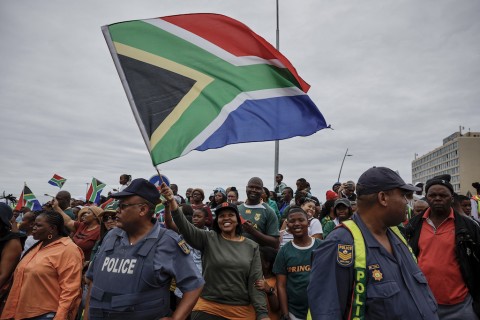
“The EFF has called for Agriculture Minister Thoko Didiza’s removal, accusing her of betraying Parliament’s constitutional mandate by backing a “reckless” interdict in the Phala Phala case. This controversy has ignited widespread public debate about political accountability and the credibility of South Africa’s democratic institutions.”
The Phala Phala scandal, involving alleged undisclosed foreign currency theft from President Cyril Ramaphosa’s farm, continues to reverberate across South Africa’s political landscape. Minister Thoko Didiza’s recent support for an interdict that shields aspects of the case from parliamentary scrutiny has drawn sharp criticism from opposition parties, particularly the EFF, which argues that Parliament’s oversight role is being undermined.
Public Opinion and Political Fallout
- EFF’s Position: The party insists Didiza’s actions represent a betrayal of democratic accountability. They argue that shielding the executive from scrutiny erodes public trust in Parliament.
- DA’s Response: The Democratic Alliance has echoed concerns, framing the issue as part of a broader pattern of political maneuvering that weakens institutional checks and balances.
- Public Sentiment: Social media platforms and civic forums show rising frustration among citizens, many of whom view the interdict as another example of political elites protecting themselves at the expense of transparency.
Broader Context
This controversy comes at a time when South Africa faces mounting political tensions ahead of the June 30 national shutdown protests. President Ramaphosa has warned against violence, but opposition parties are leveraging public dissatisfaction to highlight governance failures.
Implications for Governance
- Institutional Trust: Public opinion surveys indicate declining confidence in Parliament’s ability to hold the executive accountable.
- Political Polarization: The Didiza controversy deepens divisions between ruling and opposition parties, reinforcing narratives of corruption and impunity.
- Upcoming Elections: With municipal by-elections and national campaigns looming, opposition parties are likely to weaponize this issue to galvanize support.
Expert Analysis
Political analysts argue that the Didiza episode reflects a broader crisis of legitimacy in South Africa’s governance structures. The perception that Parliament is complicit in shielding the executive could weaken democratic resilience and fuel populist movements.
Risks and Challenges
- Erosion of Democratic Norms: If Parliament is seen as failing its oversight role, public disengagement and cynicism may rise.
- Potential for Unrest: Coupled with economic hardship and migration tensions, controversies like this risk inflaming protests and instability.
- International Perception: South Africa’s reputation as a constitutional democracy could be undermined if governance failures persist.



