




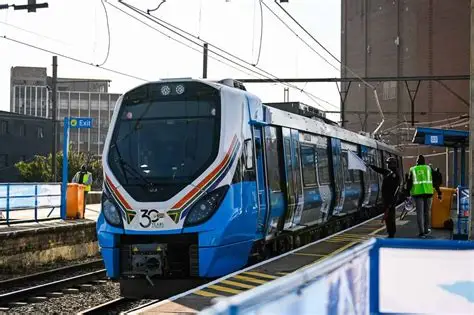
“President Cyril Ramaphosa has launched a transformative transport agenda at South Africa’s first National Transport Conference, pledging to re-establish rail as the backbone of logistics and open networks to private operators. The reforms aim to cut inefficiencies costing the economy nearly R1 billion per day, while ensuring inclusive growth and sustainability.”
South Africa’s transport sector has long been recognized as both a critical enabler of economic growth and a persistent bottleneck. On 30 July 2026, the country took a decisive step forward with the inaugural National Transport Conference, hosted at Gallagher Estate in Johannesburg. The event brought together over 1,500 delegates, including policymakers, global industry leaders, and investors, to chart a new course for logistics, mobility, and infrastructure.
Presidential Vision
President Cyril Ramaphosa set the tone with a powerful declaration: “When our transport arteries are blocked or inefficient, growth stalls, costs rise and opportunity diminishes. When they flow freely, the country thrives.” His remarks underscored the urgency of reform, particularly in freight logistics, where 70% of goods currently move by road. This imbalance has led to congestion, rising costs, and inefficiencies estimated at R1 billion daily.
Rail as the Backbone
The centerpiece of Ramaphosa’s vision is the re-establishment of rail as the backbone of logistics. The government aims to shift 250 million tonnes of freight to rail by 2029, opening the network to private operators for the first time. This move is expected to reduce road congestion, lower emissions, and improve competitiveness.
Conference Highlights
- Breakaway Sessions: Delegates engaged in deep discussions across rail, maritime, aviation, road transport, and public transport.
- Minister Barbara Creecy: Emphasized cross-sector collaboration and government’s commitment to reform.
- Deputy Minister Mkhuleko Hlengwa: Closed the plenary, reinforcing the spirit of partnership.
Permanent Transport Council
Drawing inspiration from the Energy Council, Ramaphosa proposed a Transport Council—a permanent cross-sector partnership between government, business, and labour. This council will oversee reforms, ensure accountability, and drive inclusive growth.
Economic Impact
The reforms are expected to:
- Boost competitiveness by lowering logistics costs.
- Create jobs in rail, infrastructure, and related industries.
- Enhance sustainability by reducing reliance on road freight.
- Improve safety through better-managed transport corridors.
Challenges Ahead
Despite optimism, challenges remain:
- Funding: Rail infrastructure requires billions in investment.
- Coordination: Aligning private operators with state-owned enterprises will be complex.
- Implementation: Turning conference commitments into tangible action will test political will.
Regional & Continental Implications
South Africa’s transport reforms are not just domestic. By strengthening rail and logistics, the country positions itself as a continental hub, facilitating trade across the African Continental Free Trade Area (AfCFTA). Improved transport corridors could unlock new opportunities for neighboring states and bolster regional integration.
Public Transport & Inclusivity
Beyond freight, the conference also addressed public transport. Plans include modernizing bus and taxi systems, improving safety standards, and expanding access for rural communities. Inclusivity remains a central theme, ensuring that reforms benefit all South Africans, not just urban centers.
Sustainability & Climate Goals
Transport reforms align with South Africa’s climate commitments. By shifting freight to rail and investing in cleaner technologies, the country aims to reduce carbon emissions and meet international sustainability targets.
Conclusion
The National Transport Conference marks a turning point in South Africa’s development journey. With bold reforms, strong leadership, and a commitment to collaboration, the country is poised to transform transport from a bottleneck into a driver of inclusive growth. The next challenge lies in execution—turning vision into reality.



