




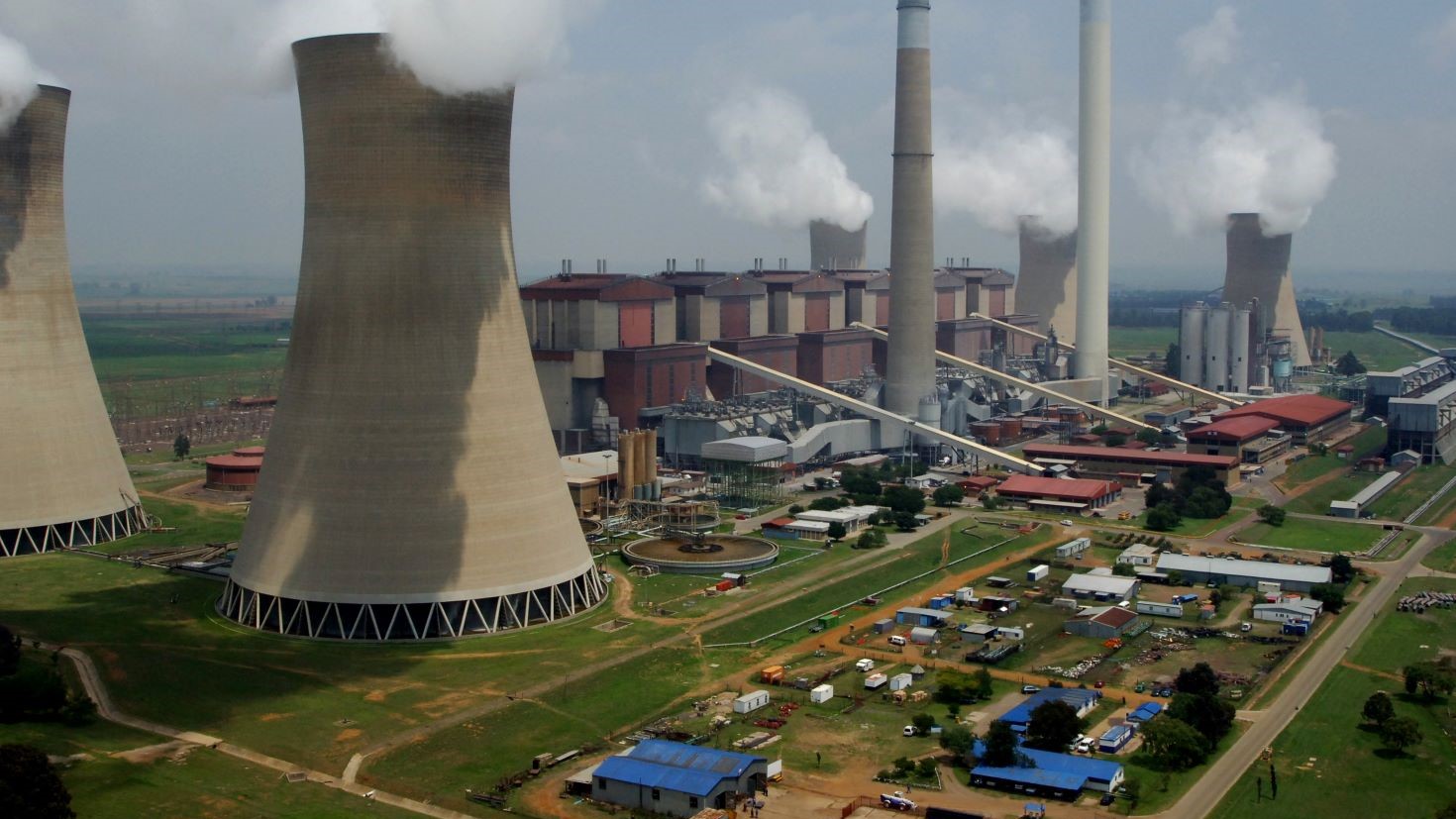
“South African households and businesses face a fresh financial burden as the National Energy Regulator of South Africa (NERSA) enforces a 9.01% average electricity tariff increase for municipal customers starting July 1, 2026. This follows Eskom’s earlier 8.76% hike for direct customers, compounding energy costs and raising concerns about inflation and economic resilience.”
On July 1, 2026, South Africa entered a new phase of its energy pricing cycle as NERSA’s approved electricity tariff increases came into effect. The regulator’s decision, which affects 176 licensed municipal and private distributors, has sparked widespread debate about affordability, economic competitiveness, and the sustainability of Eskom’s financial recovery plan.
Background to the Tariff Hike
The tariff increase stems from a recalibration of Eskom’s Regulated Asset Base (RAB), following a High Court ruling in late 2025 that invalidated a closed-door settlement between NERSA and Eskom. The court mandated public consultation, revealing a larger depreciation shortfall and return on assets miscalculation than previously acknowledged. NERSA ultimately decided to recover R12 billion of this shortfall through tariffs in the 2026/27 financial year, pushing increases beyond the originally projected 5.36%.
Regional Variations
- Cape Town: Lowest increase at 7.5%
- Buffalo City (East London): Highest increase at 14%
- National Average: 9.01% for municipal customers
These disparities highlight the uneven burden across municipalities, with some regions facing sharper cost escalations that could exacerbate local economic challenges.
Impact on Households
For ordinary South Africans, the tariff hike translates into higher monthly electricity bills. Families already grappling with rising food and transport costs will need to adjust budgets, potentially cutting discretionary spending. The compounded effect of April’s Eskom direct customer increase and July’s municipal adjustment means households are facing nearly 18% higher electricity costs over two financial years.
Business and Industrial Implications
Businesses, particularly in energy-intensive sectors such as mining, manufacturing, and retail, will experience increased operating costs. Small and medium enterprises (SMEs), already strained by inflation and sluggish consumer demand, may struggle to absorb these costs without passing them on to consumers. Analysts warn that the tariff hikes could dampen investment sentiment, as higher energy costs reduce competitiveness.
Inflationary Pressures
Electricity tariffs are a key input cost across the economy. The July increase is expected to contribute to inflationary pressures, particularly in logistics, retail, and food production. Economists caution that while fuel price cuts in July may provide temporary relief, the electricity hikes could offset these gains, complicating monetary policy decisions for the South African Reserve Bank.
Policy and Governance Context
The tariff hikes underscore the tension between Eskom’s financial recovery and public affordability. Eskom argues that cost-reflective tariffs are essential to stabilizing its balance sheet and funding infrastructure upgrades. However, critics contend that inefficiencies, corruption, and mismanagement within Eskom should be addressed before burdening consumers with higher costs.
Public Reaction
Civil society groups, trade unions, and consumer advocacy organizations have voiced strong opposition to the hikes. Protests and petitions highlight the disproportionate impact on low-income households, who spend a larger share of income on utilities. Calls for government intervention, including subsidies or targeted relief measures, are growing louder.
Long-Term Outlook
Looking ahead, NERSA has already approved an additional 8.83% increase for 2027/28. This trajectory suggests continued upward pressure on electricity costs, raising questions about the sustainability of South Africa’s energy pricing model. Policymakers face the challenge of balancing Eskom’s financial viability with the need to protect consumers and support economic growth.
Conclusion
The July 1, 2026 electricity tariff hike marks a pivotal moment in South Africa’s energy and finance landscape. While necessary for Eskom’s recovery, the increases carry significant economic and social consequences. The coming months will test the resilience of households, businesses, and policymakers as they navigate the complex interplay of affordability, inflation, and energy sustainability.



