




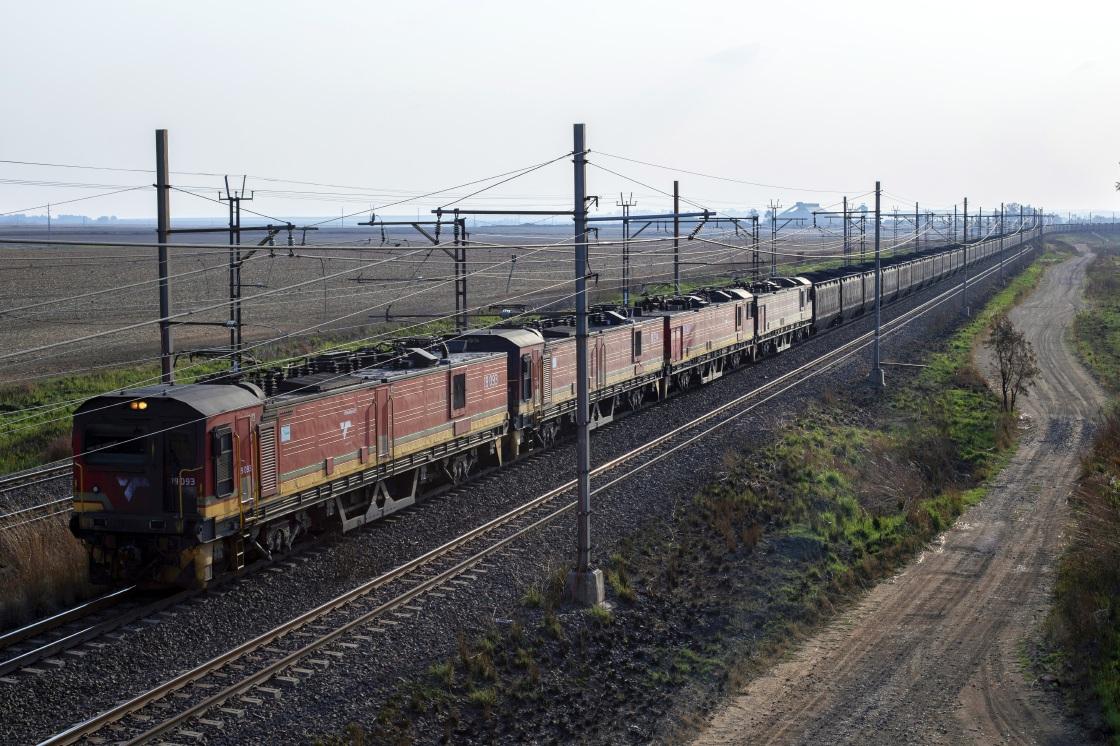
“South Africa’s structural economic reform momentum has turned positive, with Business Leadership South Africa reporting that its reform momentum indicator increased from -0.4% to 1.7% during the July–September 2026 quarter. Progress in electricity, freight logistics, water infrastructure, immigration, local government and digital public services is creating opportunities for private investment, business expansion and employment, although delays in important governance and infrastructure reforms remain a concern.”
South Africa’s Economic Reform Momentum Turns Positive as Government Pushes Ahead with Business Policy Changes
South Africa’s economic reform programme is showing renewed progress, raising expectations that improved government policies, infrastructure investment and private-sector participation could strengthen the country’s business environment. The latest developments indicate that structural reforms are beginning to move beyond policy discussions towards practical implementation, particularly in electricity, freight logistics, water infrastructure and public administration.
A report published on 31 October 2026 highlights encouraging developments in the country’s economic reform programme. Business Leadership South Africa (BLSA), through its latest Reform Tracker Quarterly Review, recorded an improvement in reform momentum during the July–September 2026 period.
The improvement is significant because South Africa has spent several years attempting to address structural economic challenges that have discouraged investment, increased operating costs and limited the country’s economic growth potential.
The latest findings also demonstrate the importance of cooperation between government, businesses, regulators and infrastructure operators in developing a more competitive economy.
According to the BLSA tracker, reform momentum increased from -0.4% to 1.7% quarter on quarter. Furthermore, the reform completion index increased from 71.3 to 72.5, representing its highest recorded level since tracking began in March 2024.
Although the figures indicate positive progress, the report also highlights areas where implementation remains behind schedule.
Government’s structural reform programme gains momentum
South Africa’s structural reform programme is designed to remove longstanding obstacles affecting economic growth, investment and business competitiveness.
The government’s approach recognises that sustainable economic development requires more than financial support and policy announcements. It also requires reliable electricity, efficient transportation networks, effective public institutions, accessible water infrastructure and predictable regulations.
Operation Vulindlela is central to this strategy.
The initiative is jointly managed by the Presidency and National Treasury. Its responsibility is to accelerate reforms across strategic sectors while improving government performance and strengthening the country’s economic foundations.
The programme seeks to create an environment where businesses can operate more efficiently, investors can identify new opportunities and communities can benefit from improved public services.
The second-quarter progress report, released on 30 October 2026, identified significant developments in the restructuring of state-owned enterprises and the establishment of competitive markets.
In particular, the government is working towards restructuring electricity and freight transportation institutions to encourage competition and attract private investment.
These changes are important because state-owned enterprises have historically played a central role in providing essential infrastructure and services. However, operational inefficiencies, financial pressures and infrastructure constraints have affected their ability to support economic growth.
Consequently, introducing competition and strengthening institutional accountability have become important priorities within South Africa’s business policy framework.
Electricity reforms create opportunities for businesses
Electricity remains one of the most important factors influencing South Africa’s economic performance.
Manufacturers, retailers, mining companies, agricultural producers and small businesses depend on reliable electricity to maintain operations and manage production costs.
The government’s electricity reform programme is therefore an important component of its wider economic recovery strategy.
Recent developments indicate progress towards establishing a competitive wholesale electricity market.
According to Operation Vulindlela’s second-quarter report, policymakers have advanced the Electricity Sector Market Transformation Position Paper, revised Electricity Pricing Policy and the National Energy Regulator of South Africa’s Electricity Trading Platform Regulatory Framework.
These policy developments are intended to establish clearer rules for electricity trading and encourage greater participation by independent electricity producers.
Furthermore, government is continuing efforts to separate the National Transmission Company South Africa from Eskom’s existing structure and establish an independent Transmission System Operator.
This institutional separation is expected to strengthen transparency, improve network management and create a more competitive electricity market.
For businesses, these changes could create opportunities to negotiate electricity supply arrangements, invest in renewable energy and develop new energy-related services.
Independent power producers could also benefit from a more predictable regulatory environment.
The latest reform tracker highlighted another important development: the National Transmission Company South Africa cleared a R2 billion backlog in curtailment payments owed to independent power producers by 31 August 2026.
This development improved the relevant BLSA tracker score from 75 to 81.25.
Nevertheless, important work remains before the electricity market can operate under its intended competitive structure. The government must complete outstanding regulatory arrangements, strengthen transmission infrastructure and ensure that electricity access remains reliable and affordable.
For South African businesses, the success of these reforms will be measured through improved electricity reliability, lower operating uncertainty and increased investment.
Freight logistics reforms aim to improve business competitiveness
Transportation and logistics represent another major priority in South Africa’s business policy agenda.
The country’s economy depends heavily on the ability to move agricultural products, manufactured goods, minerals and imported materials between production centres, warehouses, ports and international markets.
However, longstanding inefficiencies within the freight rail and port systems have increased costs and affected the competitiveness of South African exporters.
The latest reform developments suggest that government is increasingly focusing on opening these networks to additional private-sector participation.
One significant change involves the revised Transnet Network Statement.
The new arrangements allow cargo owners, rather than exclusively licensed train operators, to secure rail capacity directly.
This development could make freight transportation more accessible to businesses seeking reliable alternatives for moving goods across the country.
The BLSA freight-logistics reform score increased from 69.6 to 72.5 during the latest reporting period.
Additionally, the government’s plans to introduce more private rail operators are expected to strengthen competition and encourage investment in locomotives, wagons and supporting infrastructure.
The Operation Vulindlela report also highlighted progress towards establishing an independent National Ports Authority separate from Transnet.
Cabinet approved the approach to this institutional separation, representing another important development in the country’s logistics reform programme.
Furthermore, government has launched a request for qualifications process to identify a strategic partner for the Ngqura Manganese Export Corridor.
This initiative could improve the movement of manganese exports and create additional opportunities for companies operating in mining, transportation, engineering and logistics.
These reforms are particularly important for exporters because international competitiveness depends not only on product quality but also on the cost, reliability and speed of delivering goods to customers.
Improved logistics infrastructure could therefore support export growth, strengthen manufacturing supply chains and encourage new investment.
However, the government must ensure that private-sector participation produces measurable improvements rather than simply changing institutional ownership structures.
Water infrastructure reforms become an economic priority
Water security is increasingly important to South Africa’s long-term economic development.
Businesses across agriculture, mining, manufacturing, tourism and food processing require reliable water supplies to maintain production and meet customer demand.
However, infrastructure deterioration, municipal financial difficulties and inadequate maintenance have created challenges for water service delivery in several communities.
The government’s latest reform programme is focused on strengthening institutions, improving regulatory oversight and accelerating investment in water infrastructure.
Operation Vulindlela reported progress in implementing the National Water Action Plan and establishing the South African National Water Resources Infrastructure Agency.
The agency’s board has been appointed, while partnerships between water boards and municipalities are being strengthened to improve infrastructure development and service delivery.
Additional regulatory developments include work on the Water Services Amendment Bill, an independent economic water regulator and implementation of the revised water pricing strategy.
These changes could have important consequences for businesses.
For example, improved water infrastructure could reduce production interruptions, support agricultural development and create opportunities for construction companies, engineering firms and infrastructure investors.
Furthermore, stronger regulatory arrangements could improve accountability and encourage more sustainable investment in water supply systems.
Nevertheless, the success of these reforms will depend on whether government can translate institutional improvements into reliable water services at municipal and community levels.
Immigration policy reforms could attract investment and skilled workers
South Africa’s immigration system is another area receiving attention under Operation Vulindlela.
Businesses require access to appropriate skills to remain competitive, particularly in industries experiencing shortages of specialised professionals.
Lengthy visa processing procedures and administrative difficulties can discourage international companies from investing and make it difficult for employers to recruit skilled workers.
The introduction of the Electronic Travel Authorisation system in August 2026 represents an important step towards modernising immigration administration.
The system is intended to improve visa processing efficiency and strengthen the management of international travel applications.
According to the latest progress report, the reforms are also laying the foundation for extending electronic authorisation to additional visa categories, including work and study visas.
Furthermore, the second phase of the Trusted Employer Scheme is intended to make it easier for qualifying businesses to recruit highly skilled international personnel.
These changes could benefit sectors requiring specialised expertise, including technology, engineering, financial services, healthcare and advanced manufacturing.
Improved immigration administration could also strengthen tourism and business travel by making the country more accessible to international visitors and investors.
However, policymakers must balance the need to attract international expertise with the importance of developing domestic skills and creating employment opportunities for South African citizens.
Local government reforms focus on financial accountability
Municipal performance remains a significant factor affecting the business environment.
Businesses depend on municipalities for electricity distribution, water, sanitation, waste management, roads and other essential services.
When municipalities experience financial difficulties or operational inefficiencies, businesses face additional costs and uncertainty.
The latest Operation Vulindlela report indicates that government is working to strengthen municipal governance and improve financial sustainability.
The Metro Trading Services Reform Programme has progressed into full implementation.
Participating metropolitan municipalities are expected to receive incentive allocations from the 2027/28 financial year based on their performance in implementing institutional and financial reforms.
The programme focuses on ring-fencing municipal trading services, helping improve financial transparency and accountability.
Cabinet has also approved a revised White Paper on Local Government.
Additionally, the President has signed the Public Service Commission Act into law, establishing another foundation for public administration reform.
The Municipal Finance Management Amendment Bill has also been published for public comment.
These initiatives are important because businesses require municipalities that can manage public resources responsibly, maintain infrastructure and provide predictable services.
For investors considering establishing factories, warehouses, shopping centres or commercial developments, municipal reliability can influence investment decisions.
Improving local government performance could therefore strengthen the country’s attractiveness as a destination for domestic and international investment.
Affordable housing and digital government services advance
South Africa’s reform programme also includes initiatives designed to improve urban development and access to government services.
The government is refining an Inner-City Affordable Rental Pilot Framework, which is expected to be piloted during the next financial year.
The initiative aims to increase access to affordable housing in well-located urban areas.
This is important because housing affordability influences labour mobility, household expenditure and access to employment opportunities.
Businesses benefit when workers can access suitable accommodation closer to commercial and industrial centres.
The government is also developing digital systems to address the country’s title-deeds backlog.
Improved property administration could strengthen ownership records, reduce administrative delays and support confidence in the property market.
In digital public infrastructure, the MyMzansi initiative has progressed from its initial development stage to a functional prototype operating in a controlled testing environment.
An end-to-end demonstration of the Umalusi matric service has also provided a foundation for introducing additional digital credentials and government services.
Digital public services could reduce administrative burdens for individuals and businesses while improving access to government information.
Over time, these improvements could support a more efficient business environment and strengthen the country’s digital economy.
Private-sector investment becomes central to economic policy
One of the most important themes emerging from South Africa’s latest business policy developments is the increasing role of private-sector participation.
Government recognises that public resources alone may not be sufficient to address the country’s infrastructure requirements.
Consequently, policymakers are exploring arrangements that allow private companies to participate in electricity generation, freight transportation, ports and other infrastructure projects.
This approach could mobilise additional capital, technical expertise and operational capacity.
The World Bank has also identified electricity, freight transportation and water infrastructure as important areas for South Africa’s economic modernisation.
Its July 2026 infrastructure support announcement highlighted reforms intended to improve competition, strengthen infrastructure investment and support employment creation.
This demonstrates the broader economic significance of the government’s reform programme.
World Bank+1
For businesses, the emerging policy environment could create opportunities in renewable energy, construction, engineering, logistics, information technology, water management and financial services.
However, investors will continue assessing regulatory certainty, project implementation timelines, infrastructure quality and financial risks before committing capital.
Government must therefore provide transparent procurement arrangements, predictable regulations and effective oversight to maintain investor confidence.
Challenges could slow the reform programme
Despite the encouraging developments, South Africa’s economic reform programme continues to face significant challenges.
The BLSA tracker reported that governance performance declined during the latest reporting period. It also identified delays affecting aspects of electricity reform and the establishment of an independent infrastructure manager.
These setbacks demonstrate that policy improvements do not automatically translate into successful implementation.
Government departments must coordinate their activities, meet implementation deadlines and strengthen institutional accountability.
Furthermore, infrastructure projects require appropriate financing, technical expertise and effective management.
Municipalities also need sufficient administrative capacity to implement reforms and maintain essential services.
Another challenge is ensuring that private-sector participation delivers broad economic benefits, including employment opportunities, skills development and greater participation by small and medium-sized enterprises.
Without effective oversight, reforms could fail to address the underlying structural problems they were designed to solve.
Consequently, the next phase must prioritise measurable results rather than relying exclusively on policy announcements.
Economic outlook: What the reforms mean for South African businesses
South Africa’s improving reform momentum offers encouraging signs for the country’s business environment.
Reliable electricity, efficient freight transportation, stronger water infrastructure and improved municipal administration could collectively reduce operating costs and encourage investment.
Manufacturing businesses could benefit from more predictable electricity supplies and improved logistics.
Agricultural producers could gain from better water infrastructure and more efficient transportation networks.
Mining companies and exporters could benefit from improved freight capacity and port operations.
Meanwhile, technology companies, engineering firms and infrastructure investors could identify opportunities created by the government’s modernisation programme.
Small businesses could also benefit from improved digital government services, more efficient municipal administration and stronger infrastructure.
Nevertheless, the country’s economic performance will depend on whether these reforms are implemented consistently and whether businesses experience tangible improvements.
South Africa must also address broader economic challenges, including unemployment, infrastructure maintenance, investment uncertainty and limited growth.
The positive reform momentum recorded during the third quarter of 2026 is therefore an encouraging development, but it should be viewed as an important milestone rather than evidence that all economic challenges have been resolved.
Conclusion
South Africa’s structural economic reform momentum turning positive represents an important development in the country’s business policy landscape.
The latest BLSA Reform Tracker and Operation Vulindlela progress report demonstrate that government initiatives are advancing across electricity, freight logistics, water infrastructure, immigration, municipal administration, housing and digital services.
These developments could strengthen investor confidence, improve business competitiveness and create opportunities for economic growth and employment.
However, sustained progress will require effective implementation, transparent governance, reliable infrastructure and stronger cooperation between government and the private sector.
Ultimately, South Africa’s ability to transform positive reform indicators into measurable economic improvements will determine whether the current momentum translates into a stronger, more competitive and inclusive economy.



