




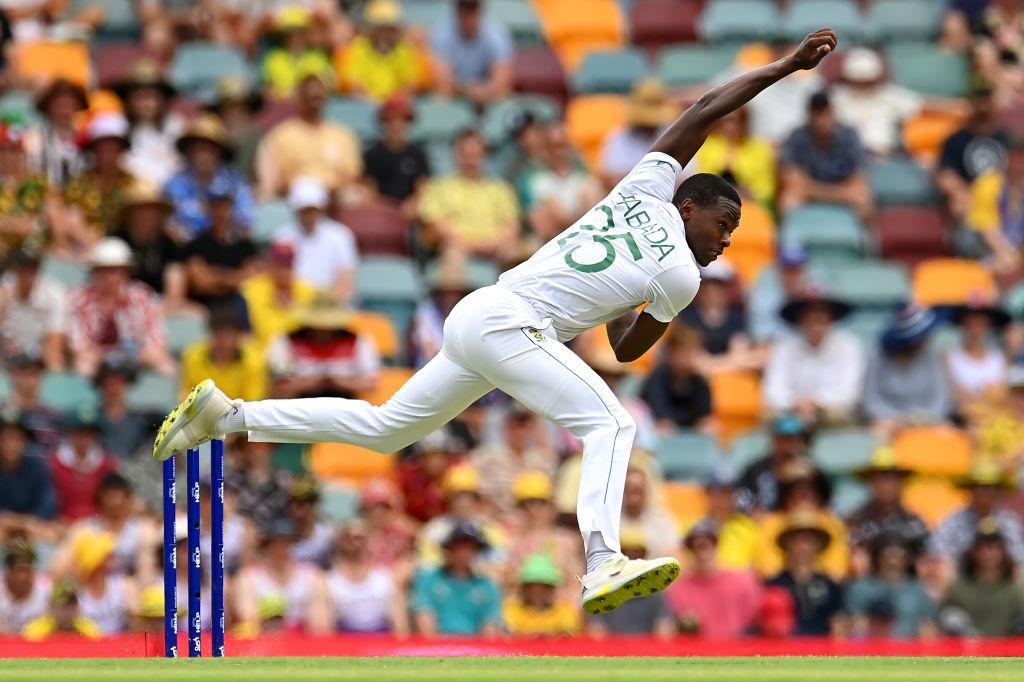
“South Africa are preparing for a vital second Test against Australia after suffering a 214-run defeat in Durban, with fast bowler Kagiso Rabada in contention to return from a hamstring problem and Matthew Breetzke called up to strengthen the batting lineup. The Proteas must improve their batting discipline, build partnerships and apply sustained bowling pressure at St George’s Park if they are to level the three-match series beginning on 18 October.”
South Africa face a defining challenge in their Test series against Australia as the Proteas prepare for the second match at St George’s Park in Gqeberha. Following a disappointing 214-run defeat in Durban, the home side must quickly address weaknesses in its batting performance and find a more effective strategy against an Australian team that has demonstrated its ability to dominate important periods of a match. The possible return of fast bowler Kagiso Rabada offers renewed hope, while the inclusion of batter Matthew Breetzke signals a willingness to reconsider the team’s approach.
South Africa seek a response after Durban defeat
The opening Test at Kingsmead exposed several problems for the South African team. Australia secured a convincing victory, placing the Proteas under immediate pressure to respond in the second encounter. For a team expected to compete strongly at home, the result raised questions about batting consistency, selection decisions and the ability of the bowling attack to sustain pressure against experienced opponents.
The challenge facing South Africa extends beyond simply winning the next match. The team must demonstrate that it can learn from setbacks, establish reliable partnerships and maintain concentration when Australia gains momentum. Test cricket rewards patience, discipline and tactical flexibility, and South Africa will need all three qualities to recover.
The second Test therefore represents an important opportunity for the players to restore confidence and prevent Australia from taking an unassailable lead in the three-match series. Playing at home provides a potential advantage, but that advantage will count for little unless the Proteas execute their plans more effectively.
Rabada’s potential return strengthens bowling hopes
One of the most significant developments ahead of the match is Rabada’s potential return to the South African bowling attack. The experienced fast bowler missed the opening Test as a precaution because of ongoing hamstring concerns. However, he remains in contention for selection as the teams prepare to meet in Gqeberha.
Rabada’s importance lies not only in his wicket-taking ability but also in the intensity he brings to international cricket. His aggressive approach, pace and capacity to challenge batters repeatedly can change the atmosphere of a Test match. Against Australia, his presence could help South Africa apply greater pressure during crucial passages of play.
Australian assistant coach Matthew Wade has acknowledged the threat Rabada presents. Wade highlighted the bowler’s competitiveness and willingness to keep attacking throughout a match. Such qualities make Rabada a significant concern for opposition batters, particularly when he combines with other fast bowlers to create sustained pressure.
Nevertheless, South Africa must consider his physical condition carefully. A fast bowler recovering from a hamstring problem needs to be capable of delivering repeated spells without unnecessary risk. Selecting Rabada would offer a considerable boost, but his workload would need to reflect his fitness and the demands of the contest.
If available, Rabada could combine with Anrich Nortje to provide South Africa with a more aggressive pace option. That combination might also allow the captain to reconsider the balance between fast bowlers and spinners.
Breetzke receives another opportunity
South Africa’s batting changes have attracted considerable attention following the defeat in Durban. Matthew Breetzke has been called into the squad, replacing Tristan Stubbs after the latter scored a combined 33 runs across his two innings in the opening match.
reetzke brings encouraging recent form in one-day international cricket. He scored a century against Australia during the teams’ recent ODI series, demonstrating his capacity to score heavily against the same opposition. His first-class average is reported at 37, although his recent red-ball experience has been limited.
Head coach Shukri Conrad has pointed to Breetzke’s form, attitude and character as factors supporting his selection. Those qualities could prove valuable in a match where South Africa need players who can remain composed under pressure.
His precise role remains an important selection question. Breetzke is in contention to open alongside Aiden Markram, but the final batting order depends on conditions and the team’s preferred combination. An opening position would expose him to Australia’s new-ball attack, requiring sound judgement outside the off stump and a willingness to leave deliveries rather than chase unnecessary runs.
If he earns a place in the starting eleven, Breetzke will need to convert his white-ball confidence into the patience demanded by Test cricket. His selection creates an opportunity, but the ultimate test will be whether he can build a substantial innings when the team needs stability.
Rickelton’s wicketkeeping role creates further changes
Ryan Rickelton is expected to take over wicketkeeping duties from Kyle Verreynne for the second Test. The adjustment could have consequences for the batting order because Rickelton has previously opened while also keeping wicket. South Africa’s management must decide whether he should continue opening or move lower down the order.
Verreynne remains in the squad, but his recent Test batting record has intensified scrutiny. Reuters reported that he had not scored a Test half-century in his previous 13 innings. That run of results has increased the pressure on his position, although selection decisions also involve wicketkeeping performance, team balance and the conditions expected in Gqeberha.
Changing the wicketkeeper can influence the wider team structure. The designated keeper has responsibilities behind the stumps throughout the match, and the role demands concentration even when the team is under pressure. Meanwhile, the batting lineup must remain balanced enough to compete across two innings.
South Africa therefore face a delicate decision. The management needs to strengthen the team without making so many changes that players struggle to settle into consistent roles. The success of this reshuffle will depend on how effectively the revised combination performs under match conditions.
Australia remain dangerous opponents
Australia travel into the second Test with confidence after their emphatic opening victory. Their performance demonstrated the value of converting promising starts into major contributions and maintaining pressure until the opposition runs out of options.
Matt Renshaw was particularly influential in Durban, recording scores of 190 and 82. His performance gave Australia substantial batting strength and highlighted the difficulties South Africa encountered in removing established batters once they had settled.
Australia must also manage their own selection considerations. All-rounder Cameron Green missed the first Test because of an abdominal strain. Wade indicated that Green’s chances of returning for the second match were limited, with the series finale in Cape Town a more likely target.
His potential absence could affect Australia’s balance, particularly if the team wants additional bowling options without weakening its batting depth. Nic Maddinson could again be considered at the top of the order alongside Travis Head, while Renshaw’s strong performance offers the selectors another reason to retain flexibility.
Former Australia captain Steve Waugh has advocated greater stability in batting positions, arguing that players benefit from knowing their responsibilities. Wade, however, has defended the team’s willingness to adapt to conditions. This difference illustrates a broader Test cricket debate: whether consistency of role or tactical flexibility provides the greater advantage.
St George’s Park offers a fresh contest
The second Test moves to St George’s Park, a venue with its own atmosphere and playing conditions. South Africa will hope that familiar surroundings and local support help the team reset after its difficult opening performance.
However, home advantage does not automatically guarantee improved results. The players must assess the pitch, weather and movement available to fast bowlers before finalising their approach. Conditions will influence whether South Africa rely on a pace-heavy attack, select additional spin options or use a combination of both.
The toss could also affect tactical decisions. Batting first may provide an opportunity to establish a substantial total if conditions are favourable, while bowling first could be attractive if the surface offers early movement. The captain and coaching staff must evaluate these factors rather than rely on assumptions based solely on the previous match.
South Africa’s bowling strategy should focus on building pressure through accurate lines, disciplined lengths and consistent field placements. Rabada, if selected, could offer aggression, while Nortje and the remaining bowlers would need to support him with sustained accuracy.
Batting discipline will determine South Africa’s prospects
Ultimately, the Proteas cannot rely on their bowlers alone. Their batters must show greater patience and make better decisions against Australia’s attack. A competitive Test performance requires partnerships capable of absorbing difficult spells and punishing loose deliveries without taking unnecessary risks.
The top order will be especially important. Early wickets can expose the middle order before it has settled, allowing Australia’s bowlers to attack with attacking fields. Conversely, a strong opening partnership could reduce pressure and provide a foundation for the rest of the innings.
Breetzke’s possible inclusion offers an opportunity to inject fresh energy into the batting lineup. Yet the responsibility extends to established players, including captain Temba Bavuma and opener Markram. Their experience and composure will be essential in guiding the team through challenging periods.
South Africa should also learn from Australia’s ability to turn individual performances into collective success. Large innings, useful partnerships and disciplined bowling create momentum that can be difficult to reverse. The home side must seek the same consistency across all departments.
A crucial opportunity for the Proteas
The second Test is an opportunity for South Africa to demonstrate resilience and tactical maturity. A victory would level the series and restore confidence after the Durban setback. Another defeat, however, would leave the defending World Test champions facing a difficult task in the final match.
Rabada’s fitness, Breetzke’s potential contribution and the wicketkeeping adjustment are important storylines, but the result will ultimately depend on execution. South Africa must make better use of batting opportunities, create pressure with the ball and maintain concentration in the field.
For Australian supporters, the opening victory provides encouragement, but the visitors must avoid complacency. Test matches can change quickly when conditions shift or a batter produces a decisive innings. Maintaining the standards established in Durban will be central to their attempt to secure the series.
As the teams prepare for the scheduled start on 18 October, attention will focus on the final selections and the condition of the playing surface. The Proteas have clear problems to solve, yet they also have an opportunity to respond in front of their home supporters.
A determined performance at St George’s Park would offer more than a chance to level the series. It would demonstrate that South Africa can absorb a major setback, make difficult selection decisions and compete against one of the world’s strongest Test teams. The coming match will reveal whether those changes can translate into meaningful improvement.



