




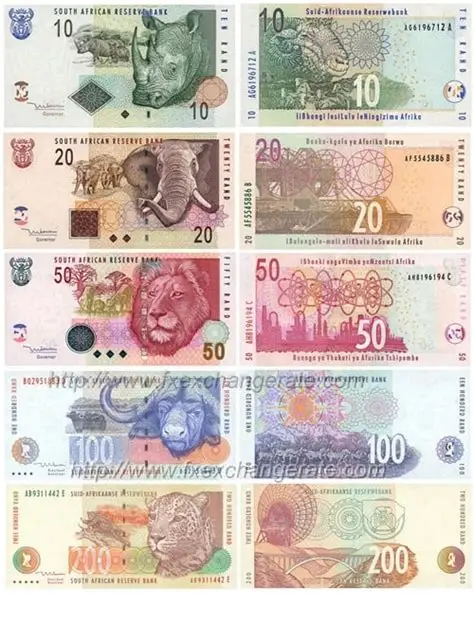
“South Africa’s rand has shown remarkable strength against global currencies, driven by consistent surpluses in mineral exports and improved fiscal stability. While fuel and electricity costs continue to push inflation upward, the strong rand is cushioning import prices, potentially setting the stage for monetary easing.”
South Africa’s microeconomic landscape in August 2026 is defined by the interplay between currency strength, inflationary pressures, and trade dynamics. The rand’s resilience has become a cornerstone of economic stability, offering relief to consumers and policymakers alike.
Rand Resilience and Its Drivers
The rand’s appreciation stems from fundamental balance of payments theory: consistent surpluses in both current and financial accounts strengthen a currency. South Africa’s mineral export boom has been the primary driver, with global demand for platinum, gold, and rare earth minerals sustaining revenue inflows. This export-led surplus has bolstered investor confidence, reinforcing the rand’s upward trajectory.
Inflationary Pressures
Despite currency strength, inflation has surged due to external shocks. Fuel prices rose by over 34% year-on-year, driven by geopolitical tensions in the Middle East and supply chain disruptions. Electricity tariffs, still burdened by Eskom’s inefficiencies, continue to climb at double-digit rates. These cost-push factors highlight structural weaknesses in South Africa’s energy sector.
Consumer and Business Impact
For households, the strong rand has mitigated the cost of imported goods, cushioning inflation’s blow. Imported electronics, machinery, and consumer staples have remained relatively stable in price. Businesses reliant on imports, particularly in manufacturing and retail, have benefited from reduced input costs, preserving margins despite rising energy expenses.
Trade Balance and Fiscal Stability
South Africa’s trade balance has improved significantly, with June 2026 recording a surplus of ZAR 17.7 billion. The current account surplus, at ZAR 190.7 billion, underscores the strength of export-led growth. Fiscal stability has improved, reducing reliance on external borrowing and enhancing sovereign creditworthiness.
Monetary Policy Outlook
The South African Reserve Bank faces a delicate balancing act. While inflation has risen, the rand’s strength provides room for cautious optimism. Policymakers may consider resuming rate cuts to stimulate growth, particularly as GDP growth remains modest at 0.5% quarterly and 1.9% annually.
Risks and Challenges
- Energy Crisis: Eskom’s inefficiencies continue to undermine economic stability.
- Global Shocks: Oil price volatility and geopolitical conflicts pose risks to inflation control.
- Unemployment: At 32.7%, unemployment remains a structural challenge, limiting consumer demand.
Conclusion
South Africa’s microeconomic outlook is cautiously optimistic. The rand’s resilience has provided a buffer against inflationary shocks, stabilizing import costs and supporting fiscal health. However, structural challenges in energy and labor markets remain pressing. Policymakers must leverage currency strength to implement reforms, ensuring sustainable growth and equitable prosperity.



