




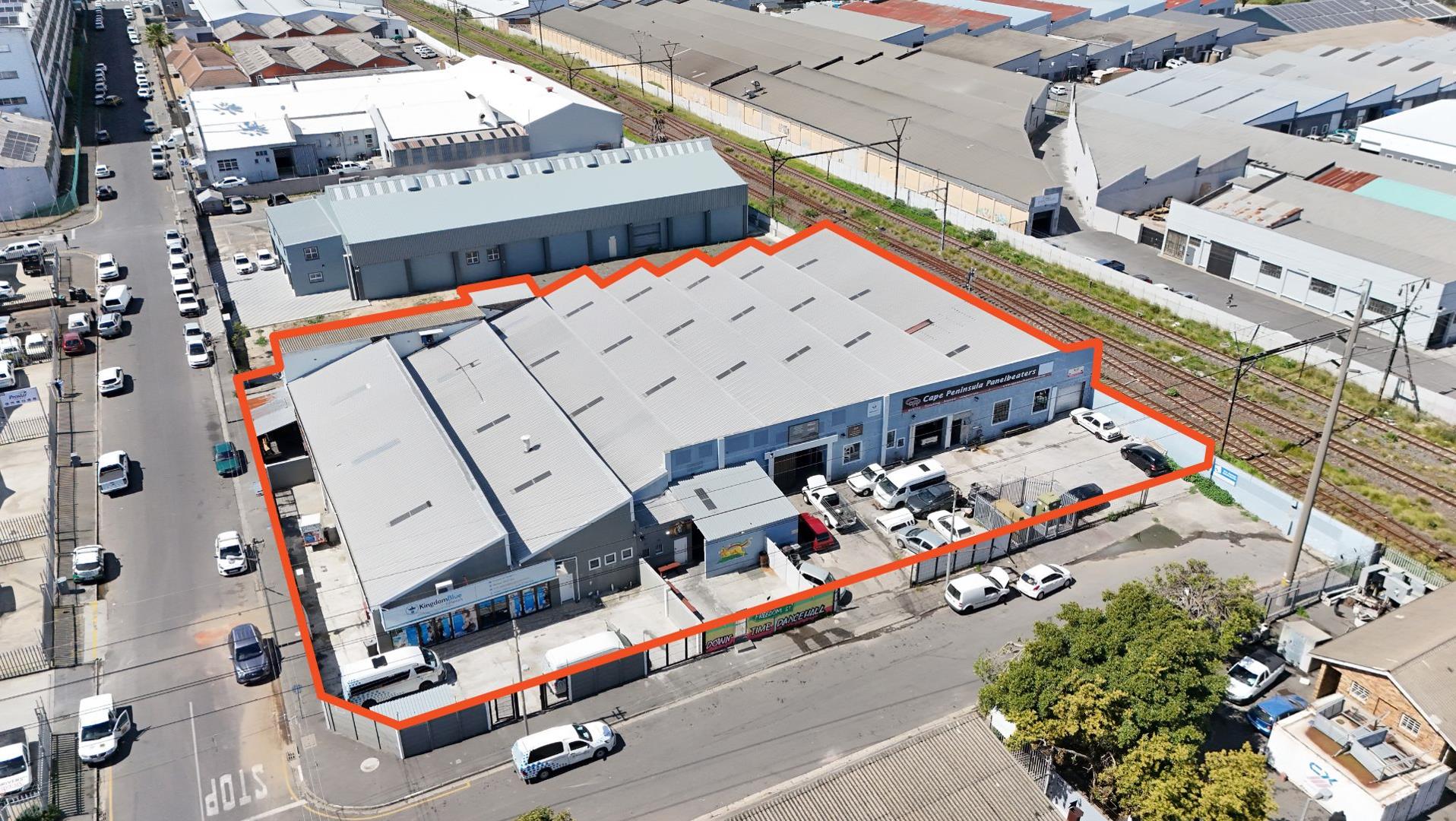
“A major logistics and manufacturing facility in Durban’s Southern Industrial Basin has been sold for R285.5 million, breaking South Africa’s single-lot auction record. The deal highlights strong investor appetite for income-generating industrial assets near the Port of Durban, reflecting the sector’s pivotal role in the country’s real estate recovery.”
South Africa’s industrial real estate market has reached a defining moment in August 2026. The sale of a manufacturing and logistics facility in Mobeni, Durban, for R285.5 million has shattered the previous national auction record, signaling both investor confidence and the sector’s growing dominance in the property landscape. This transaction is not only a financial milestone but also a reflection of broader economic trends reshaping the country’s industrial corridors.
The Record-Breaking Transaction
- Location: 25 Richard Carte Road, Durban’s Southern Industrial Basin.
- Size: 45,458 m² land area, 33,845 m² gross lettable area.
- Tenant: Secured by a long-term triple-net lease until August 2031.
- Income: Generates R26.24 million annually, with an initial yield of 8.24%.
- Auction House: In2Assets, a specialist in commercial property auctions.
- Investor Interest: Nine registered bidders, including institutional and private investors.
This sale surpasses the R205 million record set in 2014 for the Kyalami Grand Prix Circuit, marking a 39% increase and cementing Durban’s industrial hub as a focal point for high-value property transactions.
Why Durban’s Industrial Basin?
Durban’s Southern Industrial Basin is strategically positioned near the Port of Durban, Africa’s busiest port. Its proximity to global shipping routes makes it a prime location for logistics, warehousing, and manufacturing. The facility’s connectivity to road and rail networks enhances freight efficiency, making it a critical node in both national and international trade.
Industrial Real Estate: The Backbone of Recovery
South Africa’s industrial property sector has emerged as the star performer in 2026:
- Vacancy rates: Dropped to 3.8%, the lowest in history.
- Rental growth: Up 8.4% year-on-year for mid-sized spaces.
- Demand drivers: E-commerce expansion, supply chain resilience, and last-mile distribution.
This resilience contrasts sharply with the office and retail sectors, which are only beginning to stabilize after years of pandemic-driven uncertainty.
Investor Confidence and REIT Activity
Real Estate Investment Trusts (REITs) are regaining traction, buoyed by improved rental yields and stabilized vacancies. Institutional investors are re-entering the market, signaling renewed trust in industrial real estate as a long-term growth engine.
Economic Impact
The industrial boom is fueling:
- Job creation: Thousands of roles in logistics, construction, and warehousing.
- Infrastructure upgrades: Road expansions, port capacity increases, and rail connectivity improvements.
- Community development: Industrial hubs are anchoring mixed-use projects, enhancing urban vibrancy.
Comparative Sector Performance
| Sector | Current Trend (2026) | Key Drivers | |
|---|---|---|---|
| Industrial | Record-low vacancies, rental growth | Logistics, e-commerce, supply chain resilience | |
| Office | Stabilizing, 12.1% vacancy | Hybrid work, conversions to mixed-use | |
| Retail | Regaining momentum | Lifestyle malls, experience-driven shopping |
Risks and Challenges
Despite the optimism, risks remain:
- Oversupply in Johannesburg’s office market could spill over into industrial conversions.
- Global trade volatility may affect logistics demand.
- Infrastructure bottlenecks could slow growth if upgrades lag behind demand.
Conclusion
The R285.5 million Durban auction is more than a record—it is a symbol of industrial real estate’s central role in South Africa’s economic recovery. With logistics and e-commerce driving demand, and investors showing unprecedented confidence, the industrial sector is poised to remain the backbone of the nation’s property market well into the next decade.



