




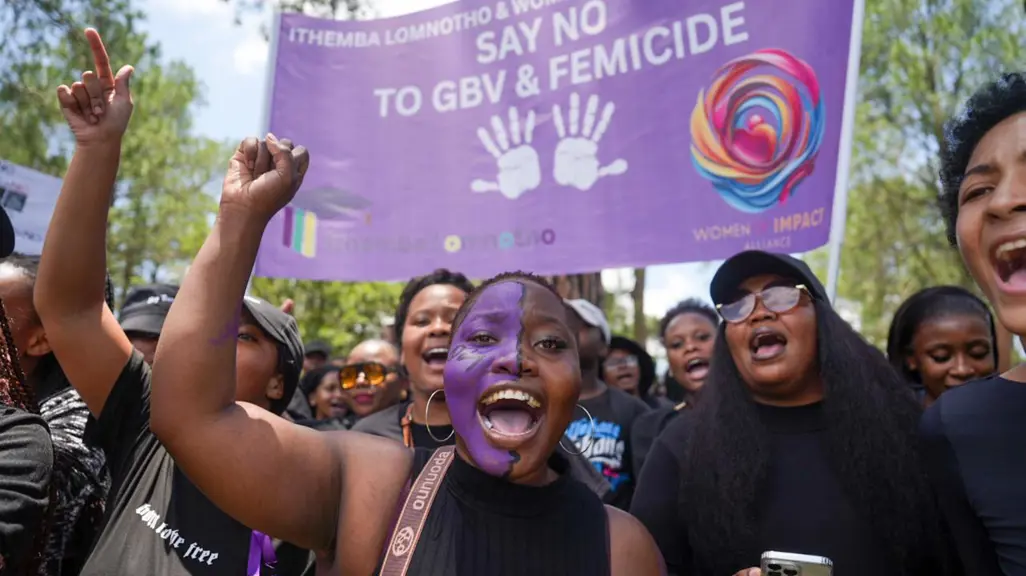
“Civil society organisations, led by Public Interest SA, have called for peaceful nationwide protests on 30 June against illegal immigration, emphasising constitutional rights to assembly. Concerns have arisen after police officials labelled protesters as “the enemy” and allocated R600 million to security measures, raising fears of escalation.”
On 29 June 2026, South Africa stands at a critical juncture as civil society organisations prepare for nationwide protests against illegal immigration. Scheduled for 30 June, these demonstrations have sparked intense debate about constitutional rights, state responsibility, and the balance between public order and democratic freedoms. Public Interest SA has urged restraint, calling on both protesters and law enforcement to uphold the principles enshrined in Section 17 of the Constitution, which guarantees the right to peaceful assembly.
Constitutional Framework
The South African Constitution, particularly Chapter 2’s Bill of Rights, provides that “everyone has the right, peacefully and unarmed, to assemble, to demonstrate, to picket and to present petitions.” This right is a cornerstone of the democratic order, reflecting the country’s painful history of struggle against apartheid and state repression. Activists argue that the upcoming protests are not merely about immigration but about reaffirming democratic freedoms in the face of growing state hostility.
Civil Society’s Position
Public Interest SA has emphasised that organisers are committed to peaceful demonstrations. They have called on participants to reject violence, intimidation, and property destruction, stressing that lawful protest strengthens democracy. The organisation also warned against inflammatory rhetoric from state officials, particularly acting Minister of Police Firoz Cachalia, who referred to protesters as “the enemy.” Such language, they argue, undermines trust and risks escalating tensions unnecessarily.
Government’s Response
The Presidency has acknowledged the legitimacy of public concerns about undocumented immigration, border management, and corruption within the immigration system. President Cyril Ramaphosa, in his weekly address, reiterated that protest is both a right and a responsibility, urging demonstrators to act peacefully and lawfully. He outlined government reforms, including strengthening border management, improving asylum and visa systems, and tackling corruption. However, critics argue that allocating R600 million to policing protests reflects misplaced priorities and could erode public trust.
Historical Context
South Africa’s democratic history is marked by tragic episodes where excessive use of force against protesters led to loss of life, such as the Marikana massacre in 2012. Civil society leaders warn that repeating such mistakes would damage the legitimacy of democratic institutions. They stress that law enforcement must act impartially and professionally, reinforcing rather than eroding public confidence.
Public Sentiment
Across communities, there is a mix of support and apprehension. Many South Africans feel overwhelmed by the pressures undocumented immigration places on public services and employment. Others worry that protests could be hijacked by opportunistic groups, leading to violence. Religious leaders, trade unions, and traditional authorities have joined calls for peaceful conduct, highlighting the need for dialogue rather than confrontation.
Risks and Challenges
The greatest risk lies in the potential clash between protesters and police. With law enforcement already under scrutiny for corruption and misconduct, any heavy-handed response could deepen mistrust. Furthermore, the framing of protesters as “enemies” risks delegitimising lawful dissent and polarising society. Civil society organisations argue that the state must facilitate peaceful assembly rather than suppress it.
Conclusion
As South Africa prepares for the 30 June protests, the nation faces a test of its democratic resilience. The outcome will depend on whether protesters uphold their commitment to peace and whether law enforcement respects constitutional boundaries. At stake is not only the immigration debate but the broader question of how South Africa manages dissent in a fragile democracy. The protests will serve as a litmus test for the country’s ability to balance rights, responsibilities, and state authority in a constitutional framework.



