




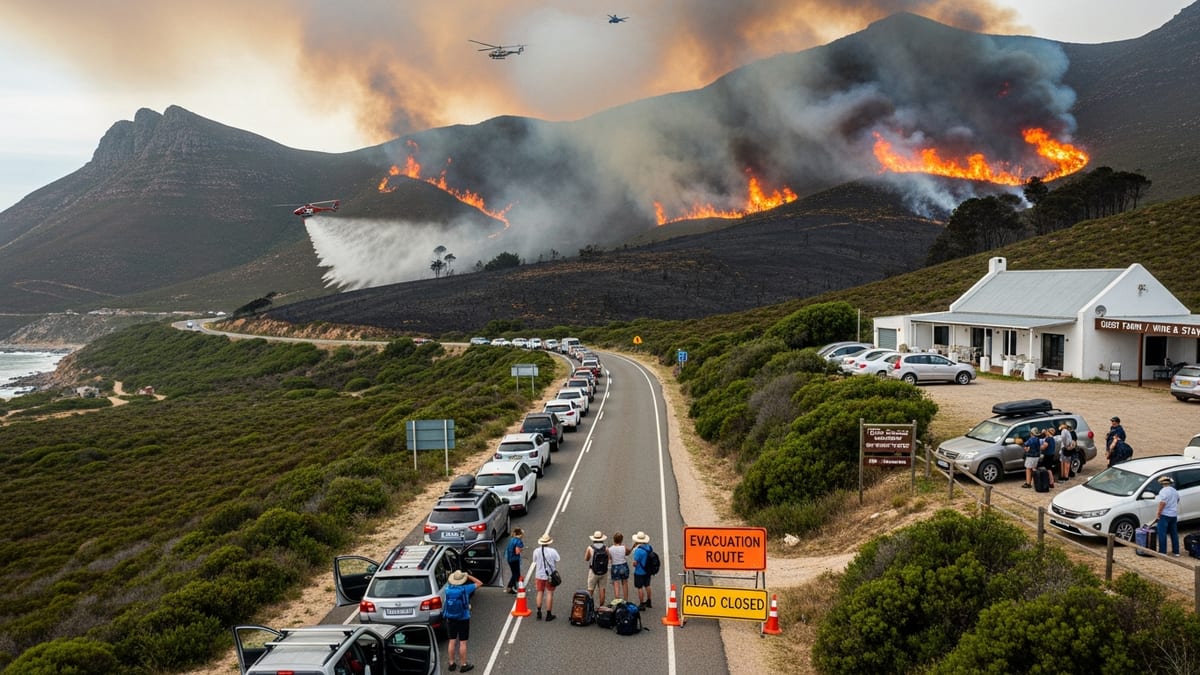
“South Africa’s Weather Service has warned of severe thunderstorms with heavy downpours, hail, and lightning across Gauteng, Limpopo, and Mpumalanga, raising concerns about flooding and infrastructure damage. At the same time, extremely high fire danger conditions threaten Limpopo and the North West, creating a dual environmental crisis of storms and potential wildfires.”
South Africa is experiencing a dramatic clash of environmental forces today, 28 September 2026, as severe thunderstorms sweep across its northeastern provinces while fire danger warnings grip the drier regions. This unusual combination of heavy rainfall and wildfire risk underscores the country’s growing vulnerability to climate extremes, with implications for communities, infrastructure, and ecosystems.
Severe Thunderstorm Warnings
The South African Weather Service issued a Yellow Level 2 Warning for Gauteng, Limpopo, and Mpumalanga. Residents are bracing for:
- Heavy downpours leading to flash floods in low-lying areas.
- Damaging winds capable of uprooting trees and damaging homes.
- Hailstorms threatening crops and vehicles.
- Excessive lightning posing risks to both people and power infrastructure.
Local authorities have urged commuters to avoid flooded roads and for communities to prepare emergency supplies. Gauteng, with its dense urban population, is particularly vulnerable to infrastructure damage and traffic disruptions.
Fire Danger Conditions
In stark contrast, extremely high fire danger conditions have been flagged in Limpopo Valley, Bushveld, and parts of the North West. The Fire Danger Index (FDI) has risen above 75, meaning fires could spread rapidly and uncontrollably.
Officials have advised:
- Removing personnel and equipment from vulnerable fields.
- Keeping firefighting teams on full standby.
- Deploying aircraft immediately at the first sign of smoke.
This warning comes at a critical time, as dry vegetation and strong winds create a tinderbox environment.
Regional Breakdown
- Gauteng: Partly cloudy, warm, isolated showers, high UVB index.
- Mpumalanga: Foggy mornings, scattered thundershowers over the Highveld.
- Limpopo: Windy, cool to warm, scattered thundershowers in the south.
- North West: Fine and hot, turning cloudy with isolated showers.
- Western Cape: Clear skies, warm West Coast, strong coastal winds.
This patchwork of weather highlights the country’s diverse climatic zones, but also the difficulty of managing simultaneous crises.
Environmental and Economic Impact
The storms threaten urban flooding, damaging roads, bridges, and informal settlements. Meanwhile, fire danger could devastate agricultural lands, particularly maize and citrus farms in Limpopo. Insurance claims are expected to rise, and local economies may suffer from disrupted transport and power outages.
Climate Change Context
Experts argue that these extremes are symptomatic of climate change intensifying weather volatility. South Africa has seen increasing frequency of both floods and droughts, stressing water resources and food security. The dual threat of storms and fires on the same day illustrates how climate systems are becoming less predictable.
Government and Community Response
Emergency services are on high alert, with disaster management teams coordinating across provinces. Communities are advised to:
- Stay indoors during lightning storms.
- Avoid open fields and tall structures.
- Prepare evacuation plans in fire-prone areas.
- Monitor official weather updates.
Civil society groups are also mobilizing to provide relief in case of displacement.
Conclusion
Today’s environmental warnings serve as a stark reminder of South Africa’s vulnerability to climate extremes. With storms battering the northeast and fire danger looming in the northwest, the country faces a complex challenge requiring coordinated action, resilient infrastructure, and long-term climate adaptation strategies.



