




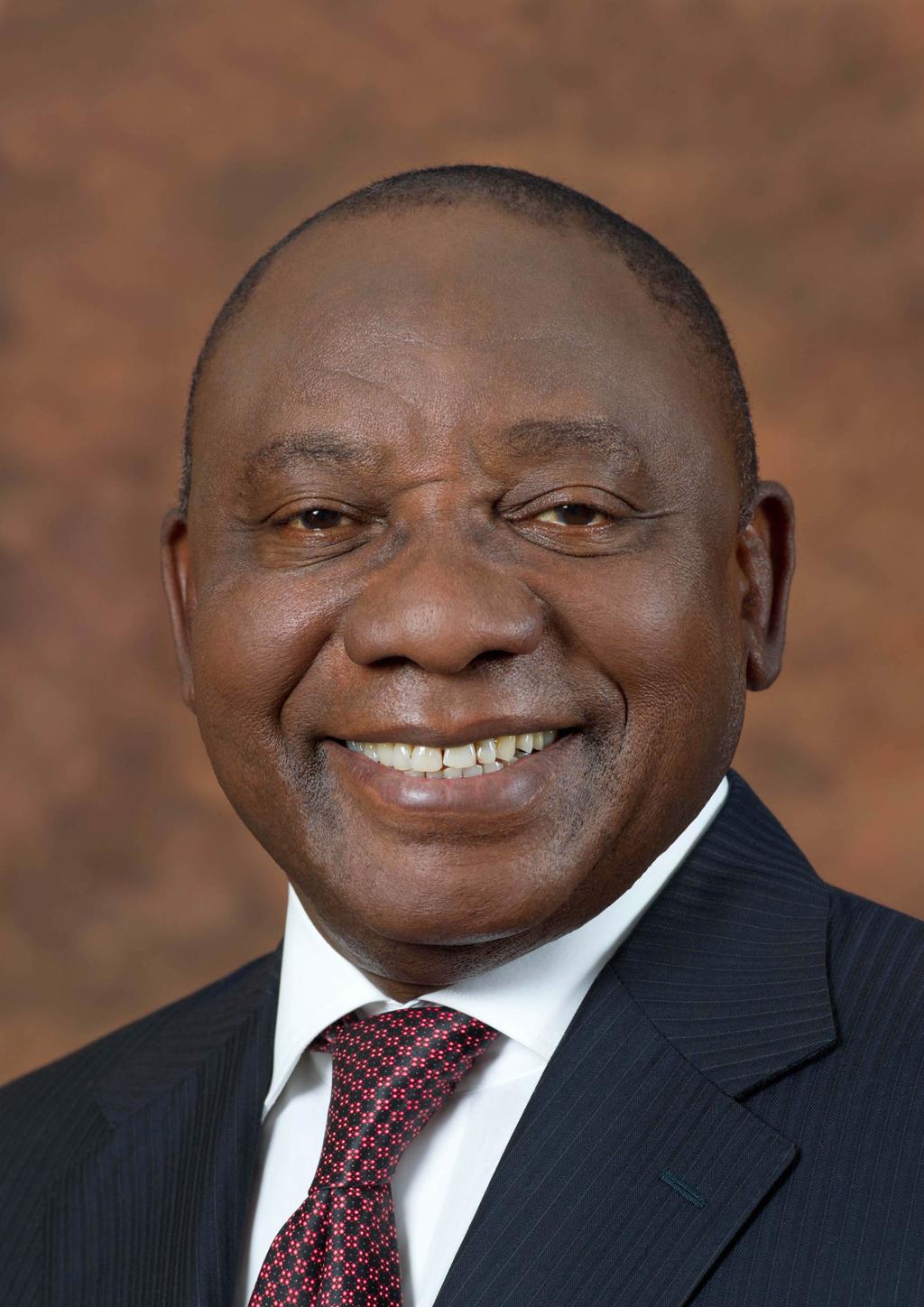
“President Cyril Ramaphosa will lead a high-level South African delegation to Silicon Valley from 15 to 21 November 2026 to strengthen the country’s artificial intelligence capabilities, attract investment, develop skills and explore partnerships with global technology companies and research institutions. The visit will focus on AI infrastructure, digital sovereignty, responsible governance, innovation, cybersecurity and the potential application of artificial intelligence across government, business and society.”
Ramaphosa Heads to Silicon Valley to Position South Africa in Global Artificial Intelligence Race
South Africa is intensifying its efforts to establish itself as a competitive artificial intelligence (AI) destination, with President Cyril Ramaphosa preparing to lead a high-level delegation to Silicon Valley in the United States from 15 to 21 November 2026. The working visit represents an important step in the country’s strategy to strengthen technological capabilities, attract investment, develop digital skills and accelerate responsible artificial intelligence adoption across the economy.
The announcement comes as artificial intelligence increasingly influences global economic competitiveness, technological innovation, industrial development and public administration. South Africa is seeking to understand developments at the forefront of AI research and commercial deployment while identifying opportunities to strengthen its domestic innovation ecosystem.
According to the Presidency, the delegation will engage technology companies, investors, academics, researchers, technical experts and university students. The programme is designed to provide insights into international AI developments and inform South Africa’s approach to technology development, regulation and adoption.
Ramaphosa Leads High-Level Artificial Intelligence Delegation
Presidential spokesperson Vincent Magwenya confirmed that Ramaphosa would undertake the California working visit to gain insights into the global AI ecosystem and explore opportunities for South Africa.
The delegation will include representatives from government, academia, business, research institutions, startups and technical communities. Several Cabinet ministers will accompany the President, including those responsible for finance, international relations, science and technology, trade and industry, communications, electricity and energy, and small business development.
The inclusion of multiple government departments reflects the increasingly cross-sectoral importance of artificial intelligence.
AI development requires coordinated decisions involving infrastructure, education, energy, investment, data governance, cybersecurity and economic policy. Consequently, South Africa’s approach cannot be limited to technology companies or research institutions alone.
The visit will also provide opportunities for the country’s universities, researchers and entrepreneurs to strengthen international connections and explore collaborative projects.
The government expects these engagements to contribute to a more competitive and inclusive domestic AI ecosystem.
Silicon Valley Engagements to Explore Global AI Developments
The programme will include engagements with leading technology companies, investors, researchers and universities.
A major highlight is the Semafor: Silicon Valley and the World engagement scheduled for 16 November. The event will bring together leaders and experts to discuss technological developments and the evolving global artificial intelligence landscape.
The delegation will subsequently visit Stanford University, where discussions will examine AI research, venture capital investment, robotics and the commercialisation of technological innovations.
Additional engagements are scheduled with major technology companies, including Alphabet and Google, Cisco, Palo Alto Networks and Microsoft.
These discussions will cover frontier AI technologies, cloud computing, robotics, cybersecurity, digital commerce, government applications and small-business innovation.
The programme is intended to expose South African policymakers and business representatives to practical examples of how AI technologies are developed, financed and implemented.
Furthermore, it will provide an opportunity to understand the organisational capabilities, infrastructure and skills required to translate technological research into commercially viable products and services.
South Africa Seeks Investment in AI Infrastructure
Artificial intelligence development depends heavily on computing infrastructure, reliable electricity, data centres, connectivity and access to advanced computing resources.
South Africa’s delegation will therefore engage investors, asset managers and development finance institutions to explore financing opportunities for digital infrastructure projects.
The Presidency has highlighted the substantial scale of international AI investment. According to information released ahead of the visit, leading hyperscalers are planning approximately US$650 billion in AI capital expenditure during 2026, while global venture capital investment in AI reached US$259 billion in 2025.
These figures illustrate the competitive investment environment facing countries seeking to establish AI industries.
South Africa hopes to attract investment into data centres, computing capacity, digital infrastructure and research facilities while strengthening its position as a potential African AI hub.
However, infrastructure development will require more than investment announcements.
Reliable electricity supply, competitive operating costs, adequate connectivity, skilled personnel and predictable regulatory conditions will be essential to attracting long-term projects.
The delegation will also examine the energy requirements of AI data centres and how electricity infrastructure can support growing demand for advanced computing.
These discussions are particularly important because large-scale AI infrastructure can place significant demands on power generation, transmission and cooling systems.
Artificial Intelligence Could Transform Government Services
One of the central objectives of the visit is to explore opportunities for applying AI across government and the broader economy.
South Africa has identified healthcare, education, criminal justice, public administration and public procurement as areas where artificial intelligence could improve productivity and service delivery.
In healthcare, AI-assisted systems could support medical information management, administrative processes, diagnostic assistance and resource planning.
In education, AI applications could assist teachers with learning materials, support personalised learning and improve access to educational resources.
Public administration could benefit from automated document processing, information management, administrative assistance and improved analysis of government data.
Nevertheless, the introduction of AI into public services requires appropriate safeguards.
Government institutions must ensure that automated systems do not undermine privacy, fairness, accountability or citizens’ rights.
Human oversight, transparent procedures and responsible data management will remain important as institutions experiment with new technologies.
Digital Skills and the Future of Work
Skills development represents another significant priority for South Africa’s AI ambitions.
The country faces the challenge of preparing workers, students and entrepreneurs for a labour market increasingly influenced by automation and digital technologies.
The Silicon Valley programme will include engagements with universities, researchers, students and technology specialists to explore AI education, research collaboration and workforce development.
The government hopes these engagements will identify opportunities for training, knowledge exchange and cooperation between South African institutions and international technology organisations.
AI adoption could create new employment opportunities in software development, data science, cybersecurity, cloud computing, robotics and digital entrepreneurship.
At the same time, automation could change the responsibilities of workers in administrative, customer-service and other occupations.
This makes continuous training, reskilling and education reform important components of national AI policy.
South Africa will need to ensure that AI-related opportunities are accessible beyond major technology companies and highly specialised professionals.
Small businesses, community organisations, students and workers in underserved communities should also be able to benefit from digital transformation.
Building an African Artificial Intelligence Economy
A major component of the visit will be the South Africa AI Opportunity gathering, organised around the theme of building the African AI economy through infrastructure, investment and innovation.
The engagement will examine how South Africa can position itself as a competitive technology hub while contributing to wider African digital development.
Potential opportunities include developing AI startups, supporting locally relevant applications, strengthening research partnerships and expanding digital infrastructure.
South Africa has an opportunity to develop technologies addressing regional challenges in agriculture, healthcare, education, financial services, transportation and public administration.
However, building a sustainable AI economy will require stronger connections between universities, entrepreneurs, investors, government institutions and established businesses.
Local innovation will also depend on access to appropriate datasets, computing resources, funding and specialised skills.
The development of AI systems that understand South Africa’s languages and social realities could be particularly important in improving accessibility and relevance.
Digital Sovereignty and Responsible AI Governance
While pursuing international partnerships, South Africa is also emphasising digital sovereignty, data protection and responsible AI governance.
Digital sovereignty involves maintaining meaningful national control over digital infrastructure, data and technological decision-making.
This does not necessarily require technological isolation. Instead, it involves developing the capacity to participate in international partnerships while safeguarding national interests.
The delegation will examine approaches to AI regulation, safety, cybersecurity and responsible technology deployment.
These discussions are particularly important as AI systems increasingly influence decisions involving individuals, businesses and public institutions.
South Africa will need policies addressing data privacy, algorithmic accountability, misinformation, cybersecurity threats and potentially discriminatory automated decisions.
The government has also acknowledged the need to understand AI-related risks alongside its economic opportunities.
Responsible adoption will require collaboration between policymakers, researchers, businesses, civil society and technology developers.
South Africa’s National AI Policy Remains Important
The Silicon Valley visit takes place against the background of South Africa’s continuing development of a national artificial intelligence policy.
The country previously withdrew an AI policy draft after concerns emerged regarding inaccurate references and research citations.
The revised policy is now undergoing further preparation, with government officials working toward renewed Cabinet consideration.
The policy is expected to address important questions concerning computing infrastructure, data sovereignty, AI governance, skills development and national technological capabilities.
The timing highlights the importance of international learning while South Africa continues refining its domestic policy framework.
Lessons from Silicon Valley could help inform discussions about infrastructure investment, innovation incentives, responsible AI development and technology partnerships.
However, South Africa’s regulatory framework will ultimately need to reflect its own constitutional principles, economic conditions, development priorities and social circumstances.
Opportunities and Challenges Ahead
The visit presents significant opportunities for South Africa to strengthen its international technology relationships.
Potential benefits include investment commitments, research partnerships, skills development initiatives, startup collaborations and improved understanding of emerging technologies.
Yet the success of the programme will depend on how effectively these opportunities translate into domestic outcomes.
Investment discussions must lead to viable projects, while international research partnerships should strengthen local expertise and innovation capacity.
Government institutions will also need to establish clear implementation priorities and measurable objectives for AI adoption.
South Africa faces competition from other countries seeking investment, skilled professionals and technology partnerships.
Its ability to attract investment will depend on infrastructure reliability, policy clarity, research capacity and the quality of its workforce.
Moreover, AI adoption must address existing inequalities in digital access.
Without appropriate investment in connectivity, education and skills, technological progress could widen the gap between well-resourced institutions and underserved communities.
Conclusion
President Cyril Ramaphosa’s Silicon Valley visit represents an important opportunity for South Africa to strengthen its position in the global artificial intelligence economy.
The programme will bring together government, business, academia and researchers to explore AI investment, infrastructure, innovation, cybersecurity, skills and responsible technology development.
South Africa’s ambitions extend beyond adopting foreign technologies. The country is seeking to develop domestic capabilities, encourage innovation, attract investment and create opportunities for participation in the wider African digital economy.
Ultimately, the success of the initiative will depend on whether international engagements produce practical results at home.
Investment in infrastructure, education, research, responsible governance and local innovation will be essential to ensuring that artificial intelligence contributes to economic growth, improved public services and inclusive development.
The coming visit could therefore provide valuable insights and partnerships as South Africa works to establish a more competitive, innovative and digitally capable economy.



