




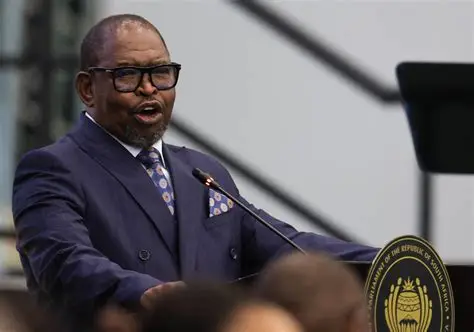
“South Africa’s most important macroeconomic development today is Finance Minister Enoch Godongwana’s 2026 Budget Speech, which outlines debt stabilisation, modest growth prospects, and major fiscal reforms. The budget signals a turning point, aiming to reduce debt-to-GDP below 75% within five years while investing over R1 trillion in infrastructure.”
South Africa’s 2026 Budget Speech, delivered by Finance Minister Enoch Godongwana, represents a pivotal moment in the nation’s economic trajectory. With debt levels hovering near 78% of GDP and growth forecasts subdued, the government has unveiled a fiscal plan aimed at stabilisation, reform, and inclusive growth. This article explores the budget’s key components, its implications for macroeconomic stability, and the challenges ahead.
Debt Stabilisation
The most notable achievement of the 2026 Budget is the projection that debt-to-GDP will peak at 78.9% in 2025/26 before declining below 75% within five years. This marks the first stabilisation in nearly two decades, a milestone welcomed by rating agencies and investors. Debt-servicing costs, currently absorbing 5% of GDP, are expected to ease gradually. Stabilisation is critical for restoring investor confidence and reducing fiscal vulnerability. Analysts caution, however, that sustained implementation of reforms will be essential to maintain this trajectory.
Growth Outlook
GDP growth is forecast at 1.6% in 2026, rising to 2% by 2028. While modest compared to emerging market peers, the outlook reflects structural constraints in infrastructure and logistics. Reforms in energy, transport, and municipal governance are expected to unlock productivity gains. The government’s emphasis on structural reforms signals recognition that growth cannot be achieved through fiscal stimulus alone but requires long-term competitiveness improvements.
Tax Relief and Revenue Gains
Stronger tax collection has enabled the withdrawal of a proposed R20 billion tax increase. Inflation-linked personal income tax relief, higher savings limits, and VAT threshold relief for small businesses have been introduced. These measures aim to ease household financial pressure while encouraging investment. Tax relief is expected to boost consumer confidence and support small business growth, though fiscal discipline remains a priority.
Infrastructure Investment
Over R1 trillion has been allocated to public infrastructure projects, including energy, logistics, and municipal upgrades. Expanded public-private partnerships will play a central role in financing and execution. Infrastructure-led growth is positioned as the cornerstone of South Africa’s medium-term economic strategy. Analysts highlight that successful execution will depend on governance reforms and private sector collaboration.
Social Protection and Fiscal Discipline
The budget balances fiscal discipline with social protection. Measures include inflation-linked adjustments to social grants and expanded funding for healthcare and education. The government aims to protect vulnerable households while maintaining fiscal sustainability. This dual focus reflects the political imperative of inclusive growth alongside economic stabilisation.
Challenges Ahead
Despite the positive outlook, challenges remain. Growth forecasts are modest, and structural reforms will take time to yield results. Infrastructure projects face risks of delays and cost overruns. Political pressures may also complicate fiscal discipline. Analysts warn that without sustained reform momentum, debt stabilisation could prove temporary.
Conclusion
The 2026 Budget Speech marks a turning point for South Africa’s economy. By projecting debt stabilisation, offering tax relief, and investing in infrastructure, the government has laid the foundation for inclusive growth. Success will depend on effective implementation of reforms and collaboration between the public and private sectors. If achieved, South Africa could finally break free from the cycle of rising debt and low growth, ushering in a new era of stability and prosperity.



