




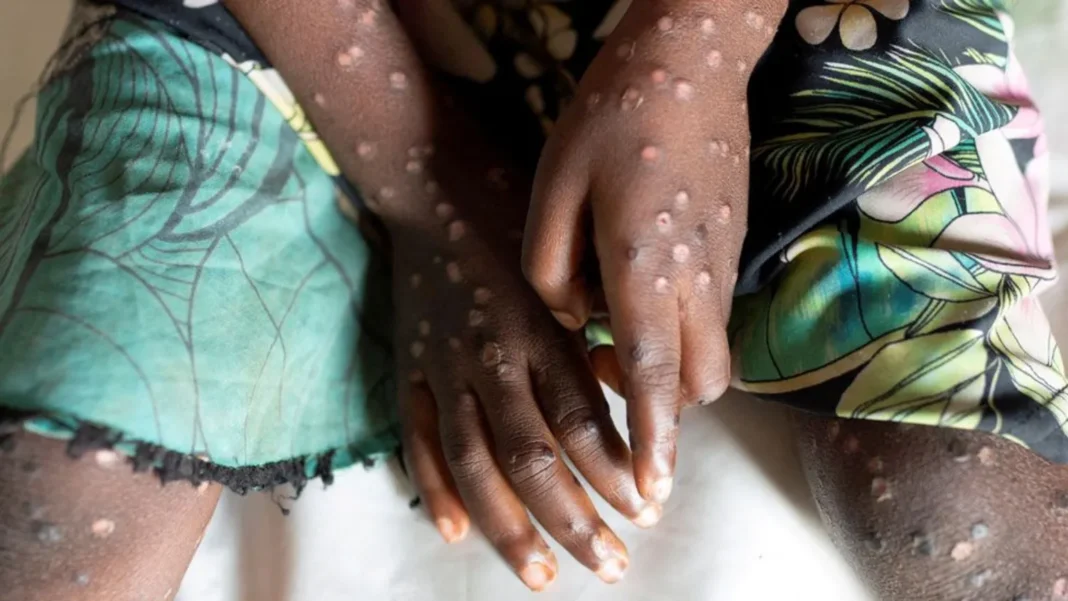
“South Africa’s Department of Health has confirmed 18 laboratory‑verified mpox cases and one probable case, with 15 concentrated in Cape Town. Officials warn of rapid local transmission and urge public vigilance, early detection, and cooperation to contain the outbreak.”
South Africa is facing a new public health challenge as the Department of Health confirmed 18 laboratory‑verified cases of mpox and one probable case by September 17, 2026. The majority of these cases are concentrated in Cape Town, raising concerns about rapid local transmission in one of the country’s most densely populated urban centers.
Geographic Spread
- Western Cape (Cape Town): 15 cases
- Gauteng: 3 cases
- KwaZulu-Natal: 1 case
Cape Town’s high population density and mobility patterns make it particularly vulnerable to further spread. The city’s role as a hub for tourism and trade compounds the risk of transmission beyond provincial borders.
Demographics of Cases
- Age range: 23–50 years
- Median age: 36.5 years
- Gender: 18 male, 1 female
This demographic profile suggests that the outbreak is currently concentrated among a specific segment of the population, but health officials stress that mpox can affect anyone regardless of race, gender, or socioeconomic status.
Symptoms and Transmission
Mpox symptoms typically appear 6–13 days after exposure (range: 5–21 days). Key symptoms include:
- Fever, headache, muscle aches, back pain, and fatigue
- Rash or skin lesions on the face, hands, feet, genitals, or other body parts
Transmission occurs mainly through:
- Close physical contact (skin-to-skin contact with rashes or lesions)
- Contaminated materials (bedding, clothing, towels)
- Respiratory droplets during prolonged face-to-face contact
The Department of Health emphasizes that anyone experiencing these symptoms should seek medical attention immediately and avoid close contact with others.
Imported vs Local Transmission
One of the most recent cases involved a traveler returning from Spain on September 14, 2026. This highlights the dual challenge of imported infections and local transmission, complicating containment efforts. South African health authorities are coordinating with Spanish counterparts to confirm laboratory results.
Public Health Response
Authorities have launched a multi-pronged response strategy:
- Early detection and surveillance to track cases quickly
- Community awareness campaigns to educate the public on prevention strategies
- International coordination with Spain and other health agencies
- Hospital preparedness to manage potential surges in cases
The Department of Health has also warned against stigma and misinformation, stressing that mpox is a universal health risk and not confined to any specific group.
Risks and Challenges
- Rapid local transmission: 13 of the 18 cases were reported between August 13 and September 17, indicating acceleration.
- Healthcare capacity: Hospitals, especially in Cape Town, must prepare for potential surges.
- Stigma and misinformation: Authorities caution that discrimination could undermine outbreak response by deterring people from seeking care.
Conclusion
The rise in mpox cases in South Africa underscores the importance of public vigilance, early detection, and cooperation. With Cape Town at the epicenter, the country faces a critical test of its healthcare system’s resilience and its ability to mobilize communities against a preventable viral infection.



