




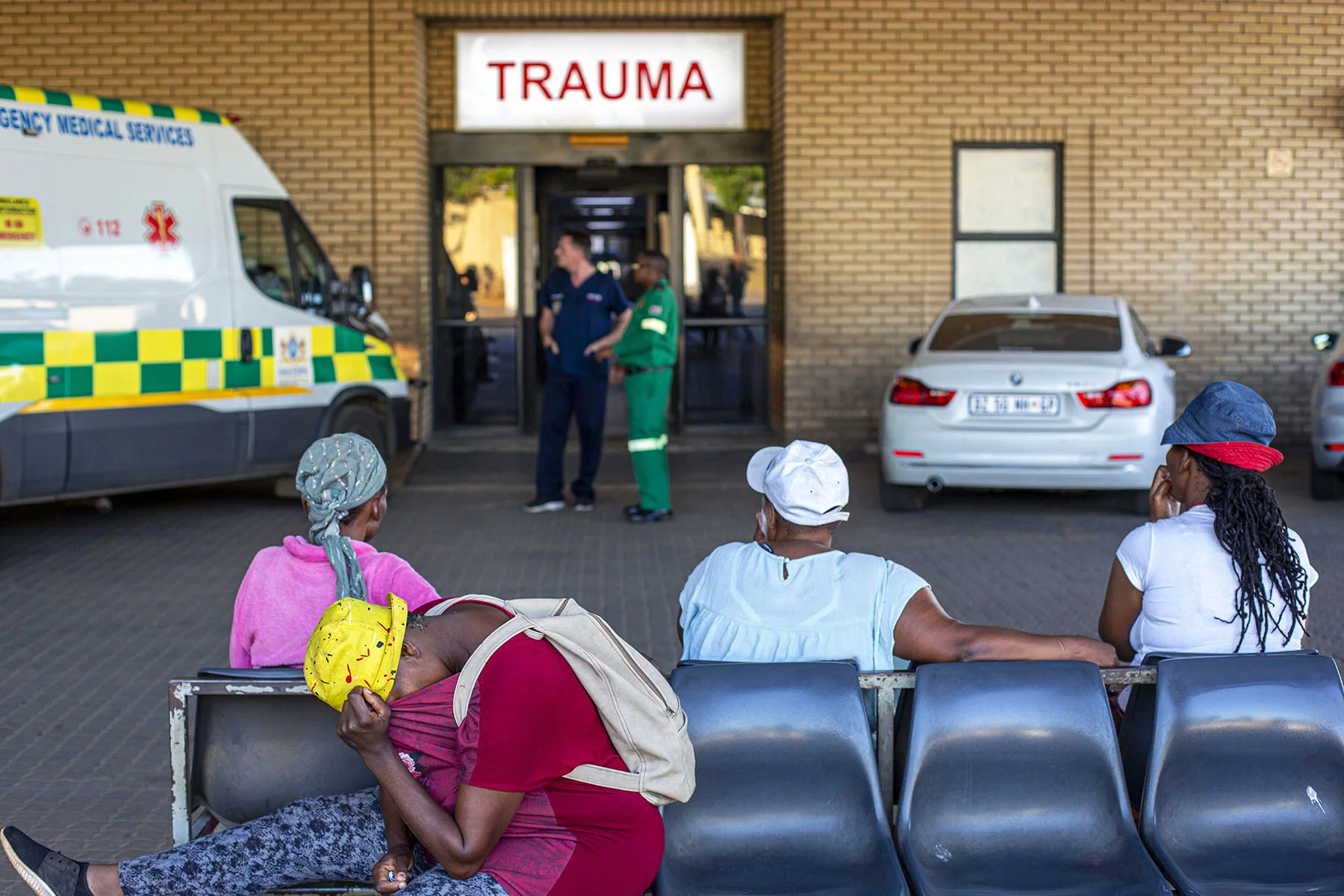
“South Africa has recorded 18 confirmed and one probable mpox case, with the majority concentrated in Cape Town, Western Cape. Health authorities are intensifying surveillance and urging citizens to recognize symptoms early, avoid close contact, and seek medical care promptly to prevent further spread.”
South Africa is facing a growing public health challenge as mpox cases rise sharply, particularly in the Western Cape. The Department of Health has confirmed 18 laboratory cases and one probable case as of 17 September 2026, with 15 of these reported in Cape Town alone. The sudden increase in infections has prompted urgent calls for vigilance, early detection, and public cooperation to contain the outbreak.
Epidemiological Overview
- Case Distribution: 15 in Western Cape, 3 in Gauteng, 1 in KwaZulu-Natal.
- Demographics: Median age 36.5 years; 18 males, 1 female.
- Transmission Timeline: 13 of the cases recorded between 13 August and 17 September, indicating rapid local spread.
The concentration of cases in Cape Town has placed the city at the center of South Africa’s mpox response. Provincial health authorities have strengthened surveillance, urging residents with unexplained rashes or lesions to seek medical advice immediately.
Symptoms and Transmission
Mpox symptoms include:
- Fever, headache, muscle aches, back pain, fatigue.
- Rash or lesions on face, hands, feet, genitals, or other body parts.
- Lesions progress from flat red spots → bumps → fluid-filled blisters → pus-filled eruptions → crusted scabs.
Transmission occurs through:
- Close physical contact with infected individuals.
- Contact with contaminated materials (bedding, clothing, towels).
- Respiratory droplets during prolonged face-to-face contact.
Public Health Response
- National Department of Health: Issued alerts emphasizing vigilance and cooperation.
- Western Cape Authorities: Strengthened surveillance, symptom awareness campaigns, and healthcare readiness.
- International Coordination: South African authorities are liaising with Spanish counterparts regarding a suspected imported case.
Risks and Challenges
- Rapid Local Transmission: The surge in cases within weeks suggests community spread.
- Public Awareness: Misconceptions about mpox being limited to certain groups must be dispelled; it can affect anyone.
- Healthcare Burden: Hospitals must prepare for potential increases in admissions if containment fails.
Preventive Measures
Authorities recommend:
- Immediate medical consultation for suspected symptoms.
- Avoiding close contact with infected individuals.
- Practicing hygiene with clothing, bedding, and shared materials.
- Public cooperation with surveillance and reporting systems.
Broader Context
Mpox is not new to South Africa, but the current surge represents one of the most significant outbreaks in recent years. The Western Cape’s concentration of cases highlights the importance of localized responses while maintaining national coordination. The outbreak also underscores the need for global vigilance, as international travel continues to pose risks of cross-border transmission.
Conclusion
South Africa’s mpox outbreak is a reminder of the persistent threat posed by emerging infectious diseases. With 18 confirmed cases and one probable case, the situation demands sustained vigilance, rapid response, and public cooperation. Authorities stress that while the outbreak is concerning, it can be contained through awareness, early detection, and responsible public behavior.



