




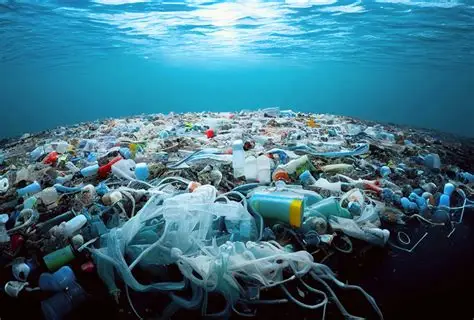
“South Africa’s Water Research Commission unveiled two pivotal studies revealing how microplastics and pollutants travel from rivers into estuaries and oceans, reshaping ecosystems and raising health risks. Durban Bay was identified as highly vulnerable, with urgent calls for systemic policy innovation to tackle the crisis.”
South Africa marked World Oceans Day 2026 with sobering revelations: plastic pollution is no longer confined to landfills or coastal litter—it is coursing through rivers, infiltrating estuaries, and reshaping the ecological balance of Durban Bay. The Water Research Commission (WRC) released two groundbreaking studies that expose the scale of the crisis and demand urgent policy innovation.
Key Findings
- Microplastics in Rivers: The study “Assessing the impact of different pollution sources…” tracked microplastics in the Msunduzi and Swartkops river catchments. Researchers found diverse plastic particles carrying microbial communities and antimicrobial resistance genes.
- Durban Bay Vulnerability: The second study, “Transforming the future of Durban Bay,” revealed how socio-ecological resilience is undermined by pollutants flowing downstream.
- Human Health Risks: Microplastics transport bacteria and resistance traits, raising alarms about waterborne diseases and food chain contamination.
Impacts on Biodiversity
- Marine Life: Fish and shellfish ingest microplastics, reducing reproductive success and survival rates.
- Birds & Mammals: Seabirds mistake plastics for food, while marine mammals face entanglement.
- Ecosystem Services: Polluted estuaries lose their ability to buffer floods, filter water, and sustain fisheries.
Economic Dimensions
- Tourism: Durban Bay, a hub for recreation, risks reputational damage as pollution worsens.
- Fisheries: Contaminated catches threaten export markets and local food security.
- Healthcare Costs: Rising antimicrobial resistance linked to microplastics could strain public health systems.
Policy Recommendations
- Strengthen River Basin Management: Pollution controls must extend inland, targeting industrial discharges and urban runoff.
- Citizen Science Engagement: WRC projects show community monitoring builds resilience and awareness.
- Circular Economy Models: South Africa must accelerate plastic recycling, reduce single-use plastics, and incentivize biodegradable alternatives.
National Context
Deputy Minister of Forestry, Fisheries and the Environment, Narend Singh, emphasized that plastic pollution is “more than a waste management issue.” It touches biodiversity, livelihoods, and economic activity. This framing shifts the debate from cleanup campaigns to systemic reform.
Conclusion
The WRC’s findings are a wake-up call: plastic pollution is a systemic crisis that requires urgent national action. Durban Bay’s vulnerability illustrates how inland pollution cascades into coastal ecosystems, threatening biodiversity, human health, and economic resilience. South Africa’s path forward must embrace circular economy principles, stronger regulation, and community-driven monitoring to safeguard its rivers and oceans.



