




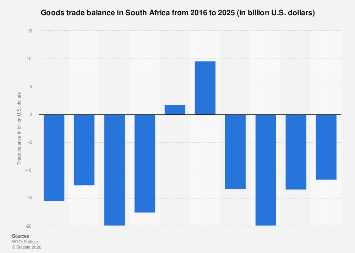
“South Africa recorded its first trade deficit in over a year in May 2026, largely due to a sharp drop in vehicle exports and weaker precious metals shipments. At the same time, looming U.S. tariff deadlines threaten to erode the benefits of AGOA, putting South Africa’s largest export markets at risk.”
South Africa’s trade landscape is undergoing a turbulent shift in mid-2026. After more than a year of consistent surpluses, the country posted a ZAR 1.8 billion deficit in May 2026, raising concerns about the sustainability of its external buffer. This development coincides with mounting global risks, including volatile oil prices, declining vehicle exports, and looming U.S. tariff deadlines under the African Growth and Opportunity Act (AGOA).
Section 1: The Trade Deficit Explained
- Fuel imports remained heavy, keeping the import bill elevated.
- Precious metals exports fell sharply, with gold and platinum group metals (PGMs) dropping by ZAR 11.1 billion.
- Analysts attribute this to shipment timing volatility, suggesting partial recovery in June, but warn that weaker global metals prices could cap gains.
Section 2: Vehicle Export Decline
- Vehicle and component exports, a cornerstone of South Africa’s trade account, declined by more than 20% in Q1 2026.
- Causes include:
- High production costs
- Port inefficiencies and unreliable logistics
- Skills shortages
- Cheap imports from China flooding the market
- This decline has been a major contributor to the May deficit, raising alarms about the long-term viability of the automotive sector.
Section 3: Mineral Sales Cushion
- Despite weaker prices, mineral sales values surged to record highs in April 2026, providing fiscal relief.
- Higher company tax revenues have supported a third successive primary budget surplus, bolstering South Africa’s sovereign credit outlook.
- However, reliance on commodities leaves the economy vulnerable to global price swings.
Section 4: U.S. Tariff Deadline Looms
- On July 31, 2026, a pause on U.S. reciprocal tariffs expires.
- South Africa, as the continent’s largest exporter to the U.S., faces significant exposure across vehicles, agriculture, and precious metals.
- If tariffs resume, AGOA’s duty-free benefits could be undermined, erasing competitive advantages overnight.
- Businesses are already diversifying export destinations to hedge against Washington’s unpredictability.
Section 5: Policy Risks and Global Context
- U.S. trade policy under President Trump has shown a willingness to act unilaterally, as seen with 50% tariffs on Canadian imports.
- This raises fears that African economies, including South Africa, may face sudden tariff shocks.
- The broader geopolitical backdrop—Middle East tensions driving oil volatility—adds further uncertainty.
Section 6: Implications for South Africa
- Short-term risks: Continued deficits if vehicle exports fail to recover and metals prices remain weak.
- Medium-term risks: Tariff exposure to the U.S. could force restructuring of export strategies.
- Long-term risks: Structural inefficiencies in logistics and manufacturing threaten competitiveness.
Section 7: Outlook
While May’s deficit may prove temporary, the convergence of declining vehicle exports, volatile commodity markets, and looming U.S. tariff deadlines signals a precarious trade outlook. Policymakers must urgently address logistics bottlenecks, industrial competitiveness, and trade diversification to safeguard South Africa’s external position.



