




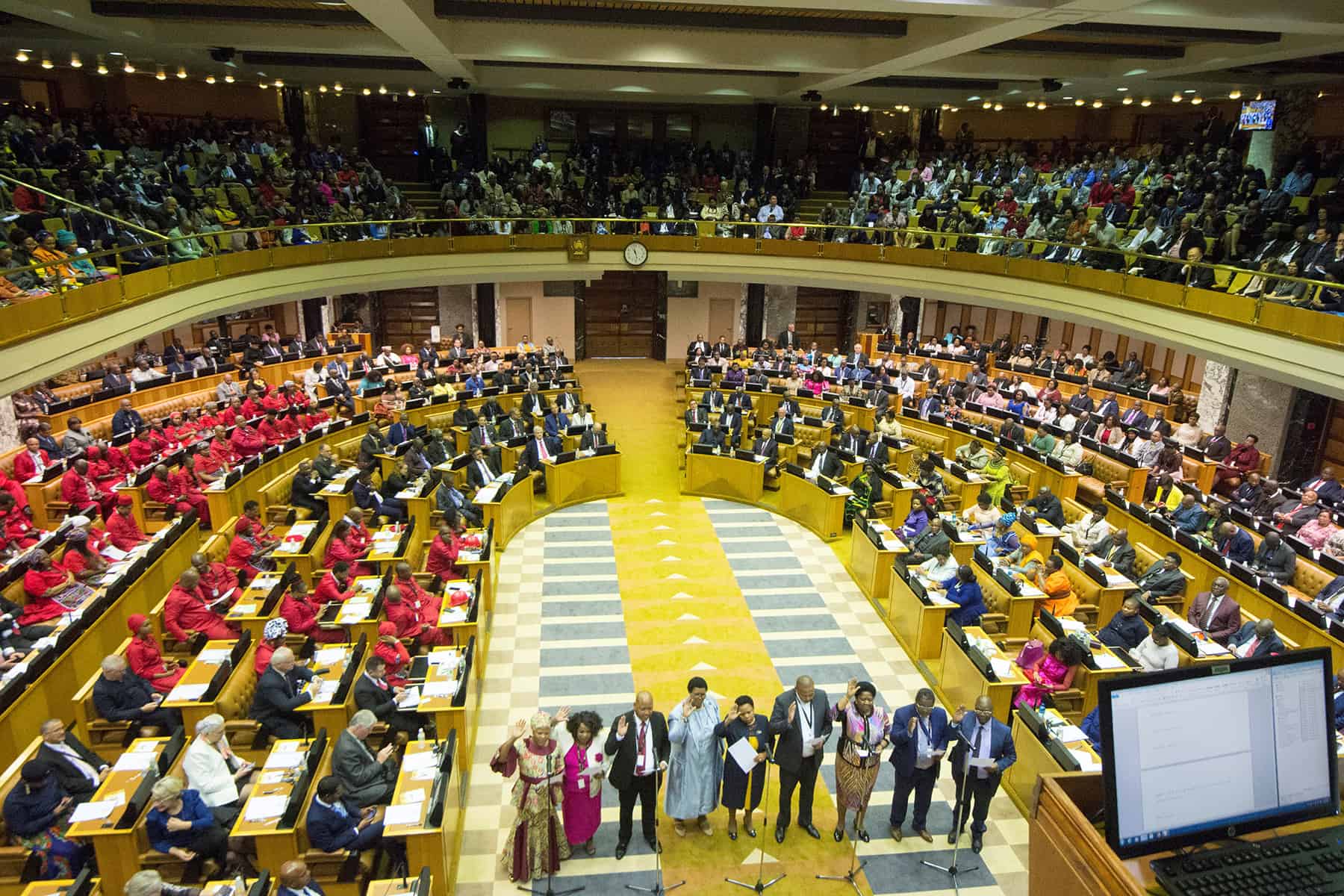
“The Department of Employment and Labour has gazetted a draft Code of Good Practice under the Employment Equity Act, inviting public comment on its provisions. The code outlines structured steps for employers to prepare, implement, and monitor equity plans, aiming to ensure fair representation and inclusivity across workplaces.”
South Africa’s political and legislative landscape continues to evolve as the government intensifies efforts to address inequality in the workplace. On 27 July 2026, the Department of Employment and Labour gazetted a draft Code of Good Practice under the Employment Equity Act of 1998, calling for public participation. This legislative move underscores the government’s commitment to inclusivity, fairness, and accountability in employment practices, while also signaling a renewed push to align workplace policies with constitutional values.
Background of the Employment Equity Act
The Employment Equity Act was enacted in 1998 to eliminate unfair discrimination and promote equal opportunity in the workplace. Over the years, amendments have sought to strengthen its enforcement, but challenges remain. Persistent disparities in representation, wage gaps, and limited advancement opportunities for historically disadvantaged groups have prompted renewed legislative focus.
The newly gazetted draft code is designed to provide practical guidance for employers, trade unions, and employees on how to prepare and implement equity plans effectively. By embedding structured processes, the government aims to ensure that compliance is not merely symbolic but results in measurable transformation.
Key Provisions of the Draft Code
The draft Code of Good Practice outlines several critical elements:
- Workplace Analysis: Employers must conduct comprehensive assessments of workforce demographics, policies, and practices.
- Responsibility Assignment: Clear accountability structures must be established, designating individuals or committees to oversee implementation.
- Inclusivity and Consultation: Employers are required to engage employees and trade unions in meaningful dialogue during plan preparation.
- Numerical Targets: Equity plans must set measurable goals for representation across occupational levels.
- Affirmative Action: Employers must adopt proactive measures to redress imbalances, including targeted recruitment and training.
- Dispute Resolution: Mechanisms for addressing grievances are embedded to ensure fairness.
- Reporting and Monitoring: Employers must submit regular reports to the Department of Labour, enabling oversight and enforcement.
Political and Legislative Significance
This legislative development is not merely administrative—it reflects broader political priorities. The ruling party has consistently emphasized transformation as a cornerstone of governance. By strengthening employment equity, the government seeks to address systemic inequalities that perpetuate economic exclusion.
The draft code also demonstrates Parliament’s role in shaping legislation that balances economic growth with social justice. Political analysts argue that this move is part of a broader legislative agenda aimed at reinforcing accountability in both public and private sectors.
Stakeholder Reactions
- Trade Unions: Many unions have welcomed the draft, viewing it as a tool to empower workers and ensure fair treatment.
- Business Sector: Some employers have expressed concerns about compliance costs and administrative burdens. However, others see it as an opportunity to enhance workplace diversity and innovation.
- Civil Society: Advocacy groups have praised the government for prioritizing inclusivity, but caution that enforcement mechanisms must be robust to prevent superficial compliance.
Challenges Ahead
Despite its promise, the draft code faces several challenges:
- Resistance from Employers: Some businesses may resist setting ambitious numerical targets, citing economic constraints.
- Monitoring Capacity: Ensuring effective oversight requires adequate resources within the Department of Labour.
- Balancing Equity and Merit: Policymakers must ensure that affirmative action does not compromise merit-based advancement.
Broader Implications
The draft code’s release comes at a time when South Africa is grappling with high unemployment and economic stagnation. By promoting inclusivity, the government hopes to unlock untapped potential within marginalized communities, thereby contributing to economic growth. Moreover, the code aligns with international best practices, positioning South Africa as a leader in workplace equity legislation.
Conclusion
The gazetting of the draft Employment Equity Code marks a significant legislative milestone in South Africa’s political landscape. It reflects the government’s determination to advance inclusivity, fairness, and accountability in the workplace. While challenges remain, the draft code provides a structured framework for transformation, inviting all stakeholders to contribute to shaping a more equitable future.
If successfully implemented, this legislation could redefine workplace dynamics, strengthen social cohesion, and reinforce South Africa’s commitment to constitutional values of equality and dignity.



