




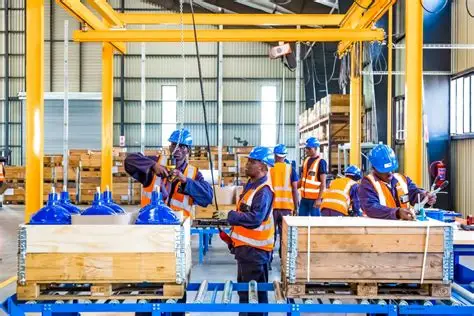
“South Africa has announced plans to attract R750 billion in investment into Special Economic Zones (SEZs) by April 2027, with the goal of reviving its struggling manufacturing sector, which has declined from 24% of GDP in 1994 to just 11% today. The initiative, supported by major private investments such as Toyota’s R10.4 billion expansion in Durban, underscores the government’s push to industrialize and stabilize the economy amid global oil volatility and weak exports.”
South Africa’s macroeconomic landscape in mid-2026 is defined by contrasting forces: a mineral boom bolstering fiscal stability, weak manufacturing output dragging growth, and volatile oil markets threatening household finances. Against this backdrop, the government has unveiled a R750 billion SEZ investment plan to reindustrialize the economy and restore competitiveness.
Background: Manufacturing Decline
- Manufacturing’s share of GDP has fallen from 24% in 1994 to 11% in 2026.
- Vehicle exports, once a cornerstone of trade, have declined by over 20% in Q1 2026, contributing to a trade deficit.
- Structural issues include high production costs, port inefficiencies, unreliable logistics, and skills shortages.
SEZ Investment Strategy
- Target: R750 billion by April 2027, raised from infrastructure funds, DFIs, and lenders.
- More than R800 billion was pledged earlier this year at an investment forum.
- SEZs will serve as hubs for manufacturing revival, export growth, and job creation.
Private Sector Momentum
- Toyota’s R10.4 billion investment in Durban for the ninth-generation Hilux is the largest in its history.
- This demonstrates how public-private partnerships can drive industrialization.
- President Ramaphosa emphasized the need to improve ports and rail networks to sustain competitiveness.
Global Context: Oil Volatility
- Brent crude rose back to $77 per barrel after Middle East tensions.
- Inflation expectations climbed to 4.4% in Q2 2026, up from 3.6% in Q1.
- The South African Reserve Bank hinted at possible interest rate hikes, risking consumer spending and property recovery.
Fiscal Stability from Minerals
- Gold and platinum sales surged, boosting company tax revenues.
- Treasury achieved a third consecutive primary budget surplus.
- Sovereign bond outlooks were upgraded by all three major rating agencies.
Risks and Challenges
- Reliance on commodity cycles remains risky.
- Oil price shocks could erode household purchasing power.
- Manufacturing revival depends on policy reforms and infrastructure upgrades.
Conclusion
South Africa’s R750 billion SEZ plan represents a bold attempt to reverse decades of industrial decline and stabilize macroeconomic growth. Success will hinge on balancing external shocks with domestic resilience, ensuring that mineral-driven fiscal gains are complemented by sustainable industrial expansion.



