




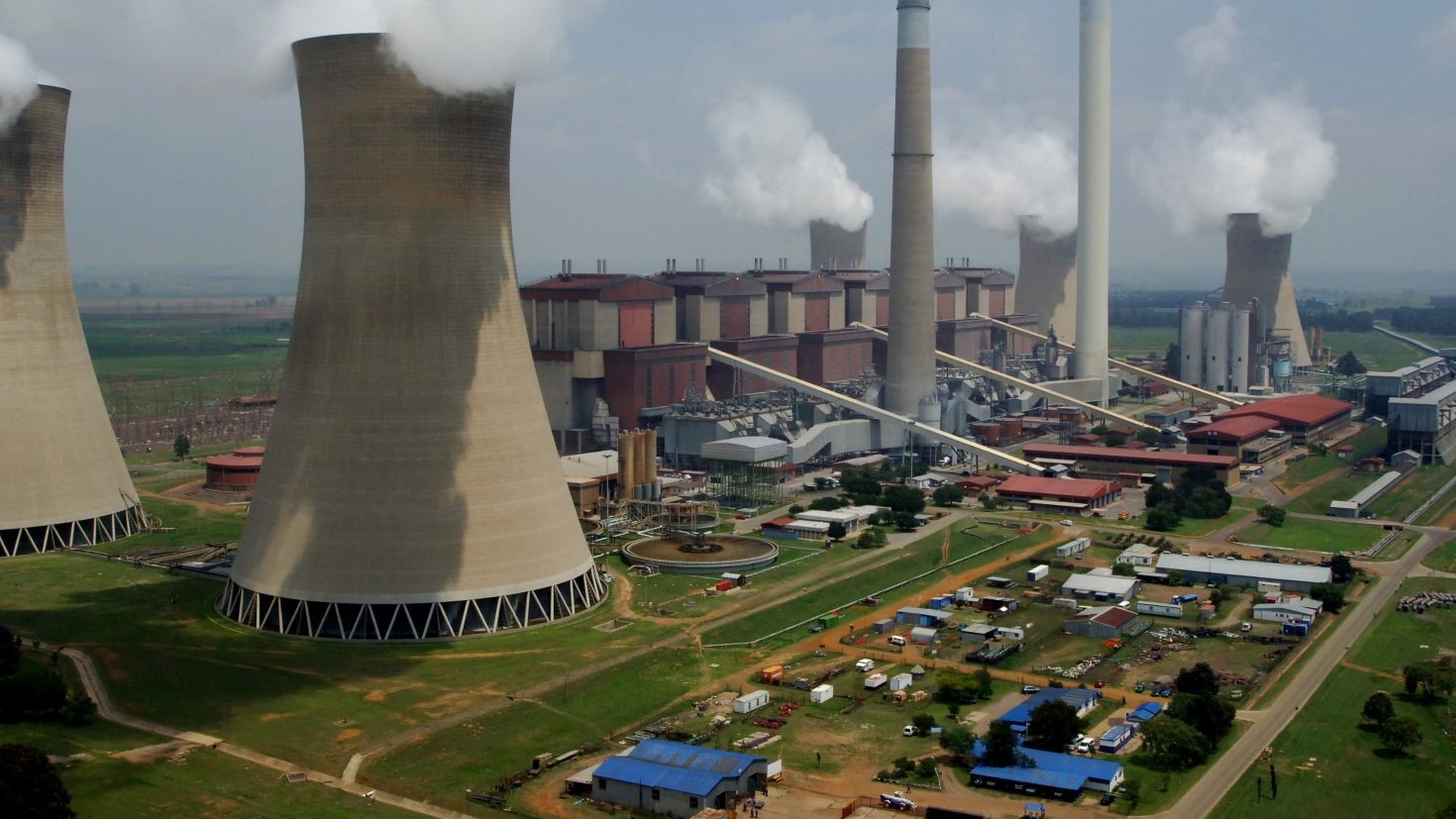
“South Africa is on the brink of a historic energy transition as the Electricity Regulation Amendment Act (ERAA) paves the way for a competitive electricity market, breaking Eskom’s long-standing monopoly. With the South African Wholesale Electricity Market (SAWEM) set to launch in April 2026, stakeholders anticipate both opportunities and challenges in reshaping the nation’s power sector.”
South Africa’s energy sector is entering a transformative phase in 2026, driven by the Electricity Regulation Amendment Act (ERAA) of 2024. This legislation, effective from January 2025, represents the most significant structural reform since Eskom’s establishment, introducing a competitive electricity market designed to diversify supply, enhance efficiency, and attract private investment. The upcoming launch of the South African Wholesale Electricity Market (SAWEM) in April 2026 is a pivotal milestone in this journey.
Background: Eskom’s Monopoly and Its Challenges
For decades, Eskom has dominated South Africa’s electricity sector as a vertically integrated monopoly, controlling generation, transmission, and distribution. While this model ensured centralized oversight, it also created systemic vulnerabilities. Chronic load-shedding, aging infrastructure, and financial instability highlighted the need for reform. The ERAA seeks to dismantle this monopoly, introducing competition and transparency.
Key Provisions of the ERAA
- Transmission System Operator (TSO): A newly established entity responsible for system operation, market operation, and transmission.
- Expanded NERSA Mandate: The National Energy Regulator of South Africa gains broader authority over tariff approvals and capacity determinations.
- Competitive Trading: The Act enables willing-buyer, willing-seller arrangements, fostering private sector participation.
- Municipal Roles: Municipalities gain more discretion, though tensions remain regarding tariff oversight and ministerial powers.
The South African Wholesale Electricity Market (SAWEM)
SAWEM is designed to operate through a structured framework of Day-Ahead, Intraday, Reserve, and Balancing markets. Its phased rollout begins in April 2026, with full operation expected by 2031. The Market Code, finalized in early 2026, defines participant roles and operational rules. While private sector involvement may be gradual, the long-term vision is a dynamic, competitive marketplace.
Transmission Regulations and Infrastructure Pipeline
A critical breakthrough in late 2025 was the publication of Transmission Regulations, clarifying procurement processes for new capacity. These regulations introduced a build-operate-transfer model and value-for-money service agreements, ensuring accountability and efficiency. This infrastructure pipeline is essential to support the new market framework.
Opportunities and Benefits
- Diversification of Supply: Encourages renewable energy integration, reducing reliance on coal.
- Private Investment: Opens pathways for independent power producers (IPPs).
- Efficiency Gains: Competitive pricing mechanisms incentivize cost-effective generation.
- Regional Integration: Aligns South Africa with global energy market trends.
Challenges and Risks
- Regulatory Ambiguities: Unclear definitions of “direct supply agreements” may hinder early implementation.
- Institutional Tensions: Municipal concerns and potential litigation could delay rollout.
- Market Readiness: Ensuring participants are adequately prepared for onboarding remains a hurdle.
- Infrastructure Gaps: Transmission bottlenecks could undermine market efficiency.
Stakeholder Perspectives
- Government: Sees ERAA as a cornerstone of economic reform and energy security.
- Municipalities: Wary of tariff oversight and ministerial discretion.
- Private Sector: Cautiously optimistic, awaiting clarity on participation rules.
- Consumers: Hopeful for reduced load-shedding and fairer pricing.
Conclusion
The launch of SAWEM in April 2026 is more than a technical milestone—it is a paradigm shift in South Africa’s energy landscape. While challenges remain, the potential benefits of competition, efficiency, and diversification are immense. Success will depend on effective regulation, infrastructure development, and stakeholder collaboration.



