




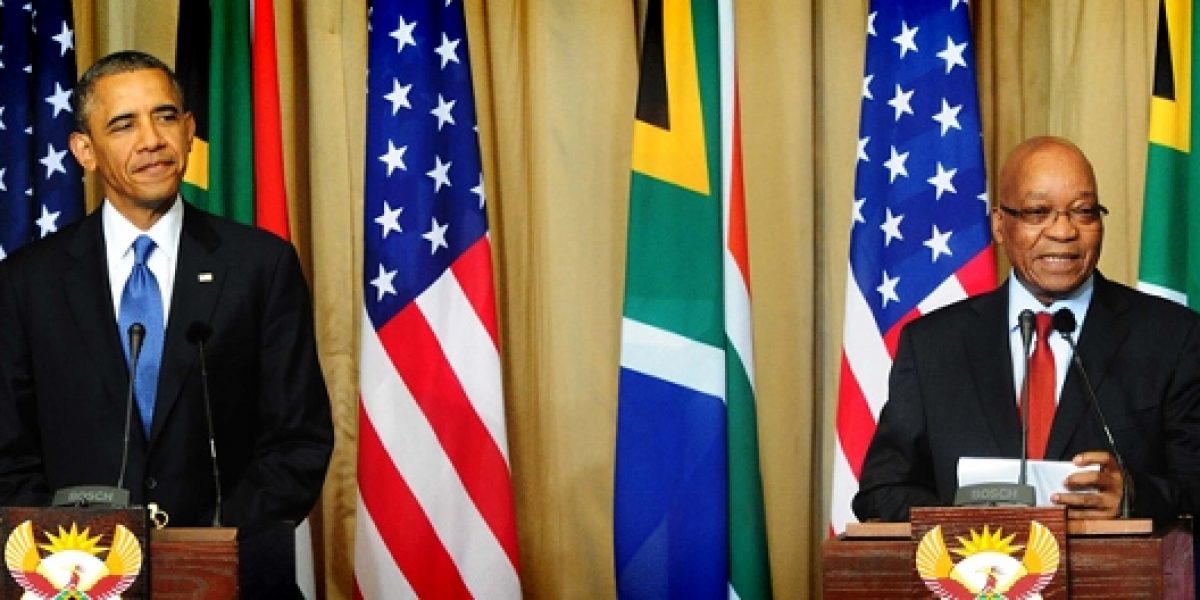
“South Africa has issued a firm statement defending its non‑aligned foreign policy after criticism from the US Ambassador regarding ties with Iran and China. The government emphasized that non‑alignment is not neutrality but a deliberate strategy to maintain sovereignty and pursue pragmatic diplomatic interests.”
On 19 July 2026, South Africa’s Ministry of International Relations and Cooperation (DIRCO) released a statement reaffirming the country’s long‑standing commitment to non‑alignment in global politics. This declaration comes in response to recent remarks by the United States Ambassador, who questioned Pretoria’s engagement with Iran and China, both of which are under heightened scrutiny by Washington.
Historical Context of Non‑Alignment
South Africa’s foreign policy has been shaped by its post‑apartheid commitment to independence and inclusivity. Since the early 1990s, Pretoria has emphasized dialogue, mediation, and multilateralism rather than alignment with any single bloc. This approach mirrors the principles of the Non‑Aligned Movement (NAM), which sought to resist Cold War polarization.
DIRCO’s latest statement highlights that non‑alignment does not equate to neutrality. Instead, it reflects a proactive stance: South Africa reserves the right to cultivate bilateral relations across the global spectrum, including with powers that may be adversarial to one another.
US Scrutiny and Diplomatic Tensions
The controversy stems from South Africa’s recent diplomatic engagements with Iran and China, both of which face sanctions and strategic competition from the United States. Washington has expressed concern that Pretoria’s outreach could undermine Western efforts to isolate these states.
However, South Africa counters that the US itself continues to interact with both Iran and China, making accusations of inconsistency difficult to ignore. This contradiction underscores Pretoria’s insistence on sovereignty in foreign policy decision‑making.
Strategic Partnerships and BRICS
South Africa’s role within BRICS (Brazil, Russia, India, China, South Africa) has amplified its global visibility. Engagements with China, in particular, are framed as essential for trade, infrastructure investment, and technology transfer. Similarly, ties with Iran are justified through energy cooperation and regional mediation efforts.
The reaffirmation of non‑alignment signals Pretoria’s intent to balance these relationships while maintaining constructive ties with Western partners. This balancing act is central to South Africa’s ambition to act as a mediator in global disputes.
Implications for Regional Stability
South Africa’s stance has significant implications for Southern Africa and beyond:
- Trade Relations: By engaging both BRICS partners and Western allies, Pretoria seeks diversified trade flows that reduce dependency on any single bloc.
- Security Cooperation: Non‑alignment allows South Africa to participate in peacekeeping and mediation without being perceived as biased.
- Investment Climate: While US scrutiny may deter some investors, others may view South Africa’s independence as a sign of resilience and strategic foresight.
Risks and Challenges
Despite its principled stance, South Africa faces risks:
- US Pressure: Continued criticism could escalate into diplomatic or economic measures.
- Investor Uncertainty: Questions about alignment may affect perceptions of stability.
- Geopolitical Polarization: As global blocs harden, Pretoria’s middle path may become increasingly difficult to sustain.
Outlook
DIRCO’s statement suggests that South Africa will continue its trajectory of independent diplomacy. If Washington accepts Pretoria’s position, bilateral relations may stabilize. However, if US criticism persists, South Africa could face mounting pressure to reconsider its ties with Iran and China.
Ultimately, Pretoria’s reaffirmation of non‑alignment is not merely defensive—it is a strategic declaration of sovereignty, positioning South Africa as a potential mediator in a polarized world.



