




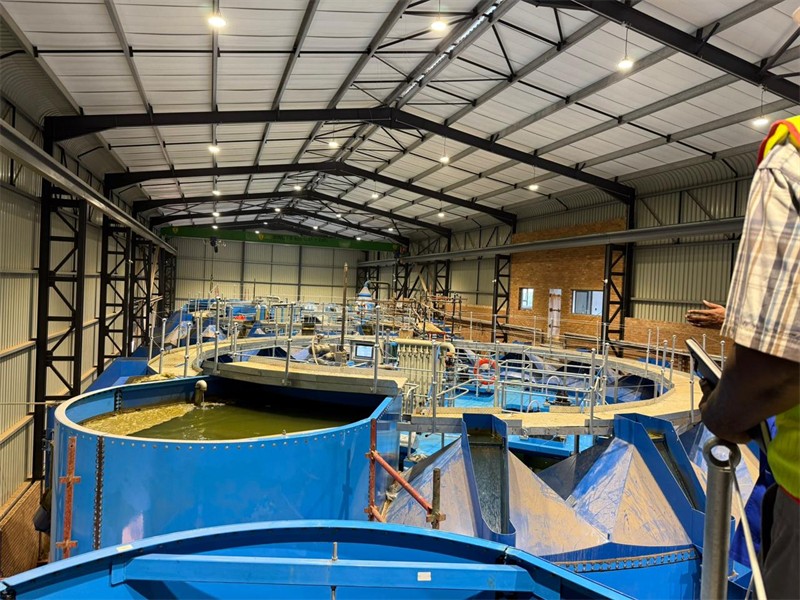
“South Africa’s government has launched the National Water Access Acceleration Programme to expand safe and reliable water access, focusing on underserved communities through decentralized supply schemes. The initiative, rolled out in Hammanskraal and other provinces, includes borehole drilling, rainwater harvesting, and rehabilitating existing infrastructure to address urgent shortages and prevent health crises.”
On Monday, July 20, 2026, President Cyril Ramaphosa’s administration unveiled the National Water Access Acceleration Programme, a landmark policy designed to confront South Africa’s escalating water crisis. The announcement, framed as a continuation of Nelson Mandela’s legacy of dignity and basic rights, underscores the government’s recognition that water access is not only a social necessity but also a cornerstone of economic stability and public health.
Background: The Water Crisis
South Africa has long grappled with uneven water distribution, deteriorating infrastructure, and climate-induced scarcity. According to the 2022 Census, over 82% of households had access to piped water, but this figure masks stark inequalities. In regions such as Hammanskraal, Gauteng, communities have endured years of unsafe water supplies, culminating in a cholera outbreak in 2023 that claimed lives and highlighted systemic failures.
Policy Details
The National Water Access Acceleration Programme is structured around decentralized water supply schemes. Unlike traditional large-scale infrastructure projects that often face delays, this initiative emphasizes localized, rapid interventions tailored to community needs. Key components include:
- Borehole drilling and groundwater development to provide immediate relief.
- Rainwater harvesting systems to supplement supply in rural and peri-urban areas.
- Rehabilitation of existing water schemes to restore functionality.
- Commissioning of facilities such as the Klipdrift Package Water Treatment Plant in Hammanskraal.
Implementation Strategy
The programme is designed to shorten the time between identifying a community’s need and delivering a working water supply. By leveraging smaller, adaptable projects, the government aims to bypass bureaucratic bottlenecks. The National Water Crisis Committee, established earlier in 2026, will coordinate interventions across municipalities, ensuring accountability and efficiency.
Economic and Social Impact
Water access is directly tied to consumer spending power and economic productivity. Social grants, retail, and fast-moving consumer goods sectors depend on households having reliable water. Moreover, industries such as agriculture and manufacturing face mounting risks from water shortages. The programme’s success could stabilize these sectors, while failures would exacerbate unemployment and political discontent.
Challenges Ahead
Despite its promise, the initiative faces significant hurdles:
- Infrastructure decay: Many municipalities struggle with collapsed or ageing systems.
- Governance issues: Corruption and mismanagement have historically undermined service delivery.
- Climate pressures: Droughts and erratic rainfall patterns will continue to strain resources.
- Funding constraints: Large-scale rollouts require sustained investment from Treasury and private partners.
Public Reception
The launch has been met with cautious optimism. Civil society organizations welcomed the focus on community-level solutions, while critics warned that without strict oversight, the programme could replicate past failures. Residents of Hammanskraal expressed relief at the commissioning of the Klipdrift plant but emphasized the need for long-term maintenance rather than short-term fixes.
Conclusion
The National Water Access Acceleration Programme represents one of the most ambitious policy interventions in South Africa’s recent history. By prioritizing speed, decentralization, and community engagement, the government seeks to restore public trust and safeguard the dignity of millions. Whether this initiative succeeds will depend on its ability to overcome entrenched governance challenges and deliver sustainable results in the face of mounting environmental pressures.



