




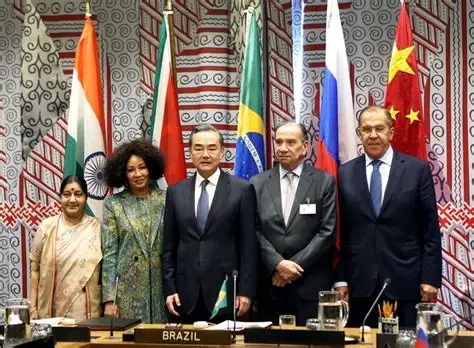
“The South African Presidency has dismissed allegations of diplomatic isolation, describing them as part of a misinformation campaign linked to recent anti-illegal migration protests. Officials highlighted ongoing high-level engagements with African leaders and global partners, underscoring South Africa’s continued role in international diplomacy.”
South Africa’s Presidency has firmly rejected claims that the nation is becoming a “pariah state” in the international community. These allegations, which surfaced in the wake of anti-illegal migration protests, have been described as deliberate misinformation aimed at undermining the country’s diplomatic standing. Presidential spokesperson Vincent Magwenya clarified that South Africa remains deeply engaged in both regional and global diplomacy, countering narratives of isolation.
Background: Migration Protests and Misinformation
Recent protests against illegal migration in South Africa sparked concerns about xenophobia and vigilantism. Some international commentators and diplomatic representatives suggested that these developments were pushing South Africa into isolation. According to Magwenya, however, these claims are not only exaggerated but deliberately constructed to misrepresent the country’s position. He stressed that South Africa’s government has consistently condemned violence against foreign nationals and reaffirmed its commitment to constitutional enforcement of immigration laws.
The “Pariah State” Narrative
Magwenya explained that the misinformation campaign seeks to portray South Africa as a pariah state that should be referred to international courts. He noted that even routine diplomatic exchanges have been misrepresented to create the impression of isolation. This narrative, he argued, ignores South Africa’s active participation in bilateral and multilateral forums, as well as its ongoing partnerships across Africa and Europe.
Regional Engagements
South Africa’s regional diplomacy remains robust. President Cyril Ramaphosa has held bilateral meetings and consultations with leaders from Botswana, Kenya, Malawi, Mozambique, and Zimbabwe. These engagements, conducted through Bi-National Commissions and Southern African Development Community (SADC) summits, reinforce South Africa’s central role in regional integration and cooperation. Such interactions demonstrate that far from being isolated, South Africa is actively shaping the political and economic landscape of Southern Africa.
Global Partnerships
On the global stage, South Africa continues to strengthen ties with strategic partners. Ramaphosa’s recent working visit to France included a meeting with President Emmanuel Macron and participation in the Leaders Group meeting of the High-Level Steering Committee on Education. South Africa also co-chaired discussions with UNESCO, highlighting its commitment to global education priorities. These engagements reaffirm France as a strategic partner and showcase South Africa’s influence in shaping international policy debates.
Countering False Information
Magwenya emphasized that the Presidency “firmly rejects and cautions against the peddling of false information against South Africa.” He warned that any campaign seeking to misrepresent the country’s identity and international standing would be met with “the utmost contempt.” This strong language reflects the government’s determination to protect South Africa’s reputation and ensure that its diplomatic achievements are not overshadowed by misinformation.
Domestic Implications
The misinformation campaign has domestic consequences as well. By portraying South Africa as isolated, critics aim to undermine public confidence in the government’s foreign policy. However, the Presidency’s proactive communication strategy seeks to reassure citizens that the country remains a respected member of the international community. This reassurance is particularly important given the sensitivity of migration issues and their potential to inflame public opinion.
Strategic Importance of Diplomacy
South Africa’s diplomatic engagements are not merely symbolic; they carry significant strategic importance. Regional cooperation enhances economic integration, while global partnerships provide opportunities for investment, education, and technological collaboration. By maintaining active diplomacy, South Africa ensures that it remains a key player in both African and global affairs.
Conclusion
The Presidency’s rejection of isolation claims underscores South Africa’s resilience in the face of misinformation. Through active regional and global diplomacy, the country continues to assert its role as a strategic partner and influential voice in international relations. The narrative of isolation, therefore, appears to be a deliberate distortion, one that South Africa is determined to counter with evidence of its ongoing engagements and commitments.



