




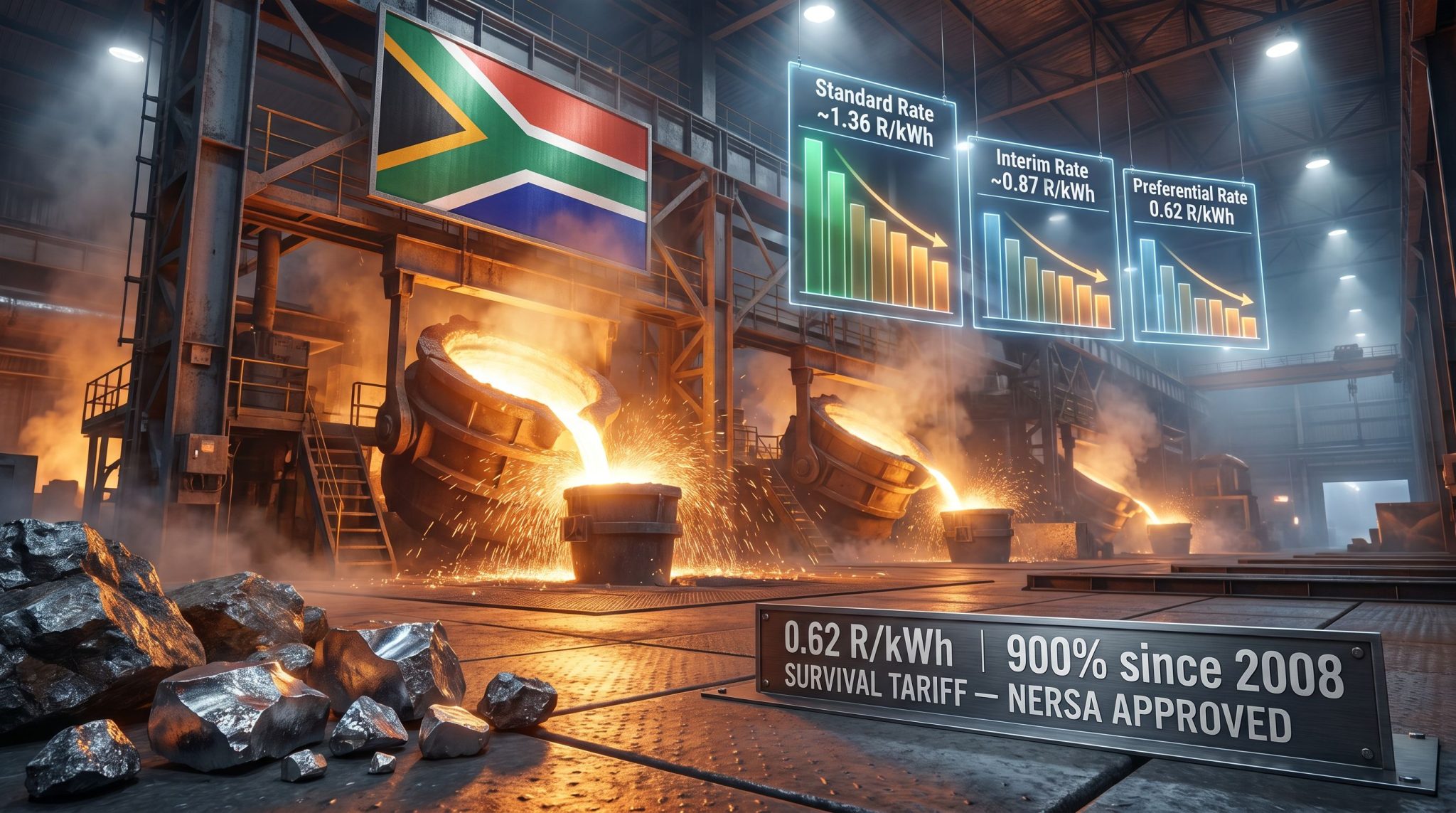
“The South African Revenue Service (SARS) has announced anti-dumping tariffs ranging from 5.5% to 35.5% on flat-rolled iron and alloy steel imports from China, effective 18 September 2026. The move is designed to shield local steelmakers from cheap imports that have eroded production capacity, but it may raise costs in construction, automotive, and infrastructure sectors.”
South Africa’s trade and industrial policy took a decisive turn today with the announcement of anti-dumping duties on Chinese steel imports. This measure, ranging between 5.5% and 35.5%, represents one of the most aggressive interventions in recent years to protect the domestic manufacturing base. The decision reflects growing concern over industrial competitiveness, job preservation, and the sustainability of South Africa’s steel industry.
Background: The Rise of Chinese Steel Imports
Over the past two years, flat-rolled steel imports from China surged, undercutting local producers and driving down prices. Domestic steelmakers reported capacity utilization falling below 60%, threatening thousands of jobs in the sector. The International Trade Administration Commission (ITAC) conducted a two-year investigation into pricing practices, concluding that Chinese imports were being sold below fair value, thereby justifying protective tariffs.
Details of the Tariffs
- Range: 5.5% to 35.5%, depending on product category.
- Effective Date: 18 September 2026.
- Target: Flat-rolled iron and alloy steel imports from China.
This tiered approach allows flexibility, ensuring that the most damaging categories of imports face the highest penalties.
Economic Implications
- Local Industry Boost: Domestic steelmakers expect improved margins and production stability.
- Consumer Impact: Higher steel prices could raise costs in construction, automotive, and infrastructure sectors.
- Regional Trade Shifts: Neighboring countries reliant on South African steel may face price hikes.
Global Context
South Africa’s move aligns with global efforts to counter state-subsidized overcapacity in Chinese steel production. The EU, US, and India have all imposed similar measures in recent years. By joining this coalition, South Africa signals its intent to defend industrial sovereignty.
Risks and Challenges
- Retaliation Risk: China may respond with restrictions on South African exports, particularly in agriculture and minerals.
- Inflationary Pressure: Higher input costs could ripple through the economy, raising consumer prices.
- Logistics Strain: Durban port congestion already complicates trade flows, and tariffs may exacerbate bottlenecks.
Industry Reactions
- South African Chamber of Commerce and Industry (SACCI): Welcomed the move but warned of fragile trade conditions.
- Steel Producers: Hailed the tariffs as a lifeline for the industry.
- Importers and Downstream Industries: Expressed concern over rising costs, particularly in construction and automotive manufacturing.
Long-Term Outlook
The tariffs may stabilize domestic steel production and preserve jobs. However, sustained competitiveness will require investment in modernization, energy efficiency, and logistics infrastructure. Trade expectations remain cautiously optimistic, with SACCI’s Trade Conditions Index rising from 35 in June to 42 in August 2026.
Conclusion
South Africa’s anti-dumping duties mark a turning point in its business policy and trade strategy. While the immediate effect will be to protect domestic steelmakers, the broader challenge lies in balancing industrial protection with the risks of higher consumer costs and potential trade disputes. The coming months will reveal whether this bold step strengthens South Africa’s industrial base or triggers unintended economic consequences.



