




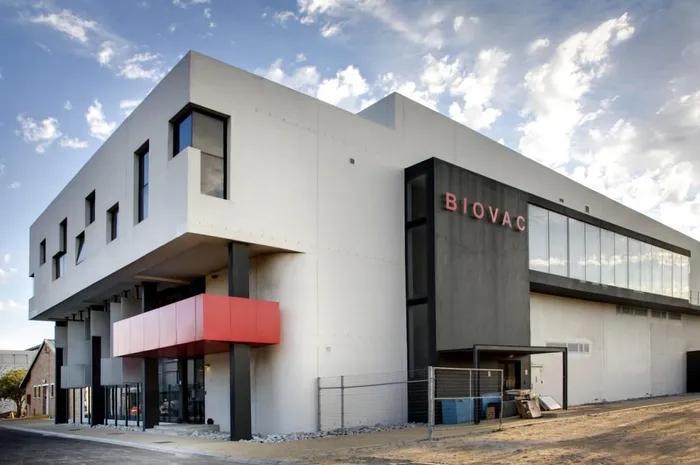
“South Africa is strengthening its biotechnology and vaccine manufacturing ambitions through government–industry cooperation, including engagement between the Department of Science, Technology and Innovation and Biovac. The country’s broader science policy also prioritises domestic research funding, biotechnology infrastructure, intellectual property protection and technology transfer to strengthen national scientific independence.”
South Africa Strengthens Biotechnology Policy as Government Pushes Vaccine Manufacturing and Scientific Independence
Introduction
South Africa is placing biotechnology, vaccine manufacturing and scientific research increasingly at the centre of its development agenda as government seeks to strengthen domestic technological capabilities, improve healthcare security and support industrial growth. Recent engagements between the Department of Science, Technology and Innovation (DSTI), research institutions and biotechnology companies highlight an important policy direction: building a stronger national science system capable of producing knowledge, developing technology and translating research into commercially and socially valuable products.
A particularly important development is the renewed focus on cooperation between government and Biovac, South Africa’s vaccine manufacturing company. At the same time, government is pursuing broader reforms aimed at improving research funding, protecting intellectual property and connecting universities with industry.
These developments reflect a growing recognition that biotechnology is not merely a scientific discipline but also a strategic economic and political priority.
Government and Biovac Strengthen Vaccine Manufacturing Cooperation
South Africa is seeking to strengthen domestic vaccine manufacturing through deeper collaboration between the Department of Science, Technology and Innovation and Biovac.
According to TechReviewAfrica’s report published on 10 November 2026, DSTI Director-General Dr Mlungisi Cele visited Biovac in Cape Town on 6 November to examine its operations, understand industry challenges and explore opportunities for stronger cooperation.
The engagement focused on health innovation, research translation, skills development and sustainable vaccine production.
Biovac was established in 2003 through a public-private partnership with the South African Government. Its founding objective was to develop and strengthen vaccine manufacturing capabilities in South Africa and across the African continent.
The company has become an important component of South Africa’s biotechnology and pharmaceutical manufacturing landscape.
The renewed engagement between DSTI and Biovac signals the importance government places on domestic production capacity and the development of a sustainable biopharmaceutical industry.
Although the reported visit did not announce a specific new vaccine production contract or manufacturing investment, it demonstrated continued institutional cooperation around South Africa’s health innovation ambitions.
The policy significance lies in strengthening relationships between public institutions and manufacturing organisations that can transform scientific research into products.
Biotechnology and Scientific Independence Become Strategic Priorities
South Africa’s biotechnology ambitions are closely connected to a wider government effort to strengthen scientific independence.
The Department of Science, Technology and Innovation has identified the need for stronger domestic research capabilities and improved protection of scientific infrastructure.
In September 2026, the government released a Ministerial Working Group report on Science, Technology and Innovation funding for public comment.
The report highlighted vulnerabilities created by dependence on external research funding, particularly following disruptions to international health research financing and access to vaccines and therapeutics.
It also identified biotechnology, genomics and public-health research as critical national capabilities requiring protection.
The government’s policy direction is therefore not limited to increasing the number of laboratories or research projects.
Instead, it seeks to establish a more resilient scientific system capable of maintaining essential research activities, developing local expertise and supporting domestic innovation.
The proposed funding reforms recognise that biotechnology requires long-term investment because research development, testing, regulatory approval and manufacturing can involve substantial resources and extended timelines.
Protecting Biotechnology Research and Intellectual Property
One of the central issues in South Africa’s biotechnology policy is intellectual property protection.
Biotechnology research can generate valuable discoveries, including vaccine technologies, diagnostic systems, biological processes and pharmaceutical innovations.
However, research institutions frequently face challenges translating discoveries into commercial products.
Government’s science funding proposals emphasise stronger arrangements for intellectual property, technology transfer and commercialisation.
These arrangements are important because publicly funded research must be capable of generating practical benefits for society.
Universities, science councils and biotechnology companies need clear rules governing ownership, licensing, research collaboration and commercial exploitation.
Effective intellectual property policies can help researchers attract investment while protecting the interests of institutions and the public.
The government has also emphasised the importance of fair arrangements in international partnerships, particularly concerning data, technology transfer, local manufacturing and skills development.
Such arrangements can help South Africa avoid becoming merely a consumer of foreign biotechnology products.
Instead, the country seeks to participate more actively in the development, production and distribution of scientific innovations.
Strengthening Research Funding and National Science Infrastructure
South Africa’s biotechnology ambitions depend significantly on the availability of stable research funding.
The Ministerial Working Group on Science, Technology and Innovation funding identified predictable domestic funding for strategic research programmes as an immediate priority.
It also recommended protecting critical research platforms in biotechnology, genomics, health and public-health systems.
These priorities are particularly important because biotechnology research often requires specialised equipment, laboratory facilities, highly trained researchers and extensive testing infrastructure.
Without reliable funding, research institutions may struggle to maintain equipment, retain skilled personnel or complete long-term scientific programmes.
The government’s proposed reforms also seek to increase public and private investment in research and development towards the national target of 1.5% of gross domestic product.
Achieving this target would require stronger participation from universities, private companies, government institutions and other research organisations.
For biotechnology, greater investment could support research into vaccines, diagnostics, agricultural technologies, pharmaceutical products and industrial biological processes.
However, achieving meaningful progress will depend on implementation, funding commitments and the ability to coordinate investment across institutions.
Government Proposes Stronger Cooperation Between Universities and Industry
On 11 November 2026, SAnews reported that Science, Technology and Innovation Minister Professor Blade Nzimande proposed a new cross-sector pact involving government, universities, science councils and industry.
The proposal emerged from a high-level Presidential engagement hosted by President Cyril Ramaphosa at the Union Buildings in Tshwane.
The proposed agreement seeks to establish clearer responsibilities, institutional leadership, contributions and milestones for research cooperation.
It also addresses intellectual property arrangements, research publication and access to facilities.
The Minister emphasised that the agreement should become a practical working arrangement rather than a symbolic declaration.
This proposal has important implications for biotechnology.
Universities and science councils often conduct research that could support pharmaceutical development, vaccine manufacturing and agricultural innovation.
However, translating research into commercially viable products requires cooperation with companies capable of manufacturing, distributing and marketing those innovations.
A structured partnership could improve communication between researchers and industry, strengthen skills development and accelerate the commercialisation of biotechnology discoveries.
It could also help identify research projects that respond directly to national healthcare, agricultural and industrial needs.
Science and Technology Parks Could Support Biotechnology Development
The government is also exploring the establishment of Science and Technology Parks in South Africa’s Special Economic Zones.
According to SAnews, Nzimande highlighted discussions surrounding a proposed Science and Innovation Park at Coega Industrial Development Zone and developments involving the existing Science and Technology Park in the East London Industrial Development Zone.
These initiatives could create opportunities for research institutions and companies to work more closely together.
Science parks can provide access to specialised infrastructure, research facilities, technical services and collaborative networks.
For biotechnology companies, such environments may support laboratory development, product testing, research partnerships and commercialisation.
However, the Minister emphasised the importance of feasibility studies, operational responsibilities, funding arrangements and access for smaller enterprises.
This is significant because infrastructure alone cannot guarantee successful innovation.
Science parks need sustained investment, qualified personnel, reliable services and businesses capable of using their facilities.
Their long-term contribution should therefore be measured through research outputs, enterprises created, products developed and employment opportunities rather than construction achievements alone.
Vaccine Manufacturing and African Health Security
South Africa’s vaccine manufacturing ambitions also have implications beyond its domestic market.
The African continent continues to face challenges associated with dependence on imported vaccines, medicines and other health technologies.
Developing domestic and regional manufacturing capabilities could strengthen preparedness for future health emergencies and improve access to essential medical products.
Biovac’s institutional role is particularly important because its founding objectives include strengthening vaccine self-reliance in South Africa and the wider African continent.
The development of stronger manufacturing capabilities could contribute to regional supply chains, technology transfer and specialised employment.
However, vaccine manufacturing requires more than production facilities.
It also depends on regulatory oversight, quality assurance, skilled workers, research capacity, distribution systems and sustainable demand.
South Africa’s continued cooperation between government and biotechnology institutions therefore represents an important component of a broader health security strategy.
Skills Development and Biotechnology Employment
A sustainable biotechnology sector requires a highly skilled workforce.
Research institutions, manufacturing companies and regulatory authorities need scientists, laboratory technicians, engineers, quality specialists and professionals with expertise in pharmaceutical production.
Government’s proposed science pact emphasises skills development and research collaboration.
It also encourages universities, science councils and industry to explore joint supervision, research placements and stronger academic partnerships.
These arrangements could help graduates acquire practical experience and improve their readiness for employment.
Biotechnology also offers opportunities for interdisciplinary education.
Scientific research increasingly combines biology, chemistry, engineering, computing and data analysis.
Consequently, strengthening biotechnology education could support broader technological development and industrial competitiveness.
The success of these initiatives will depend on sustained investment in education, research facilities and professional development.
Political Accountability and Implementation Challenges
Although South Africa’s biotechnology policy direction is increasingly clear, implementation remains a critical challenge.
Government announcements and partnership discussions must eventually translate into measurable outcomes.
These include stronger manufacturing capacity, increased research funding, successful technology transfer, commercially viable products and improved access to health technologies.
Public institutions will also need to demonstrate that investment produces tangible benefits.
Research funding arrangements should be transparent, intellectual property agreements should be clearly defined and partnerships should provide measurable value.
Smaller biotechnology companies must also have opportunities to participate in the national innovation system.
Without accessible infrastructure and appropriate support, innovation could remain concentrated within a limited number of institutions.
Government therefore faces the challenge of balancing strategic national priorities with competition, efficiency and accountability.
Conclusion
South Africa’s biotechnology policy is increasingly shaped by the ambition to strengthen domestic scientific capabilities, expand vaccine manufacturing and improve the relationship between research institutions and industry.
The renewed engagement between DSTI and Biovac illustrates the importance of government cooperation with biotechnology manufacturers.
Meanwhile, proposed science funding reforms and the cross-sector science pact demonstrate a broader effort to improve research coordination, protect intellectual property and translate scientific knowledge into practical solutions.
These developments could strengthen South Africa’s position in African biotechnology and contribute to healthcare security, industrial development and employment creation.
Nevertheless, the long-term success of the strategy will depend on sustained funding, effective implementation, institutional cooperation and measurable results.
South Africa’s biotechnology ambitions are therefore entering an important policy phase in which the challenge is no longer simply to identify scientific priorities, but to build the institutions, partnerships and manufacturing capabilities needed to turn those priorities into lasting national and continental benefits.



