




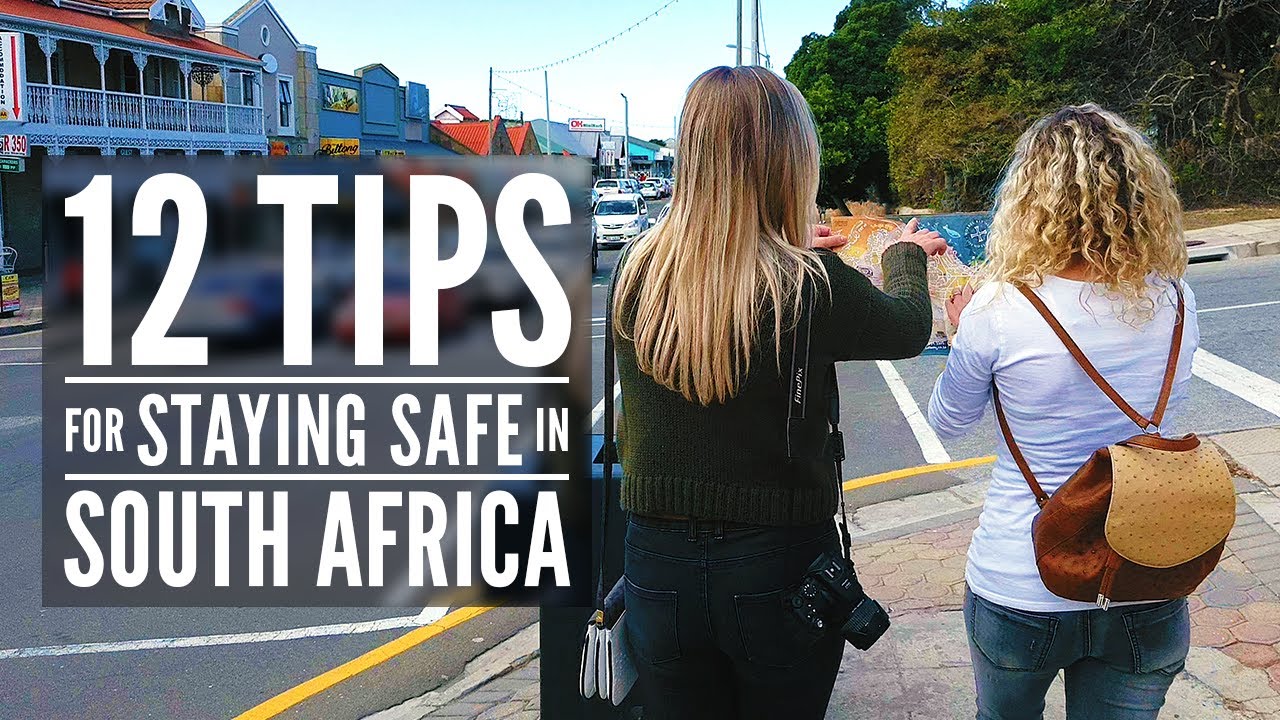
“South Africa has introduced a mandatory online traveller declaration for all visitors entering or leaving the country, effective immediately. Alongside this, updated advisories emphasize heightened caution due to crime risks, protests, and rolling power cuts, urging travelers to plan carefully and stay alert.”
South Africa, one of the world’s most captivating destinations, continues to attract millions of visitors annually with its breathtaking landscapes, vibrant cities, and world-class wildlife experiences. Yet, as of 16 August 2026, travelers face new requirements and heightened safety advisories. The government has introduced a mandatory online traveller declaration for all visitors entering or departing the country, alongside reinforced warnings about crime, protests, and infrastructure challenges. These updates mark a significant shift in how tourists must prepare for their journeys.
1. The Online Traveller Declaration
- Requirement: All travelers must complete an online form before arrival or departure.
- Purpose: Streamlines border control, enhances security, and ensures accurate traveler records.
- Process: Accessible via the South African Department of Home Affairs portal. Travelers must provide passport details, accommodation information, and onward travel plans.
- Impact: Failure to complete the declaration may result in delays or denial of entry/exit.
This measure aligns South Africa with global trends in digital border management, similar to systems used in the EU and the USA.
2. Safety Concerns for Travelers
South Africa’s beauty is undeniable, but crime remains a pressing issue:
- Urban Risks: Johannesburg, Cape Town, and Durban face high rates of robbery, carjacking, and ATM fraud.
- Transport Risks: Criminals target travelers at airports and public transport hubs.
- Protests: Demonstrations can erupt suddenly, sometimes turning violent. Travelers are advised to avoid large gatherings and monitor local media.
- Night Travel: Avoid walking alone after dark; use Uber or registered taxis.
These realities mean that while safaris and tourist lodges remain relatively safe, urban exploration requires vigilance.
3. Practical Travel Tips
- Currency: The South African Rand (ZAR) offers favorable exchange rates (US$1 ≈ R18), making luxury safaris and hotels excellent value.
- Tipping Culture: 10–15% at restaurants, R20–50 for porters, and similar for safari guides.
- Load-Shedding: Rolling power cuts are routine. Carry power banks and confirm backup generators at accommodations.
- Transport: Car rentals are popular but avoid driving at night in rural areas. Ride-hailing apps are safer in cities.
- Health: Yellow fever certificates are required only if arriving from endemic countries.
These tips ensure smoother travel experiences despite infrastructural challenges.
4. Cultural Immersion
South Africa’s rich culture remains a highlight:
- Cuisine: Bobotie, koeksisters, and ostrich meat are staples.
- Braai Culture: Barbecue gatherings are central to social life.
- Languages: English is widely spoken, but learning greetings in Afrikaans or Zulu enhances interactions.
Such cultural engagement deepens the travel experience beyond sightseeing.
5. Risks and Recommendations
- Crime: Keep valuables hidden, avoid isolated areas, and remain alert at intersections.
- Protests: Stick to major roads and verify GPS routes for safety.
- Alcohol Safety: Be cautious of drink spiking and methanol poisoning.
- Kidnapping Threats: Though rare, travelers should remain vigilant, especially in urban centers.
By following these recommendations, visitors can minimize risks while enjoying South Africa’s offerings.
Conclusion
South Africa in 2026 remains a premier destination for safaris, cultural immersion, and scenic exploration. However, the new online traveller declaration and reinforced safety advisories highlight the importance of preparation. Travelers who embrace vigilance, respect local customs, and plan for infrastructural challenges will find their journeys rewarding and memorable.



