




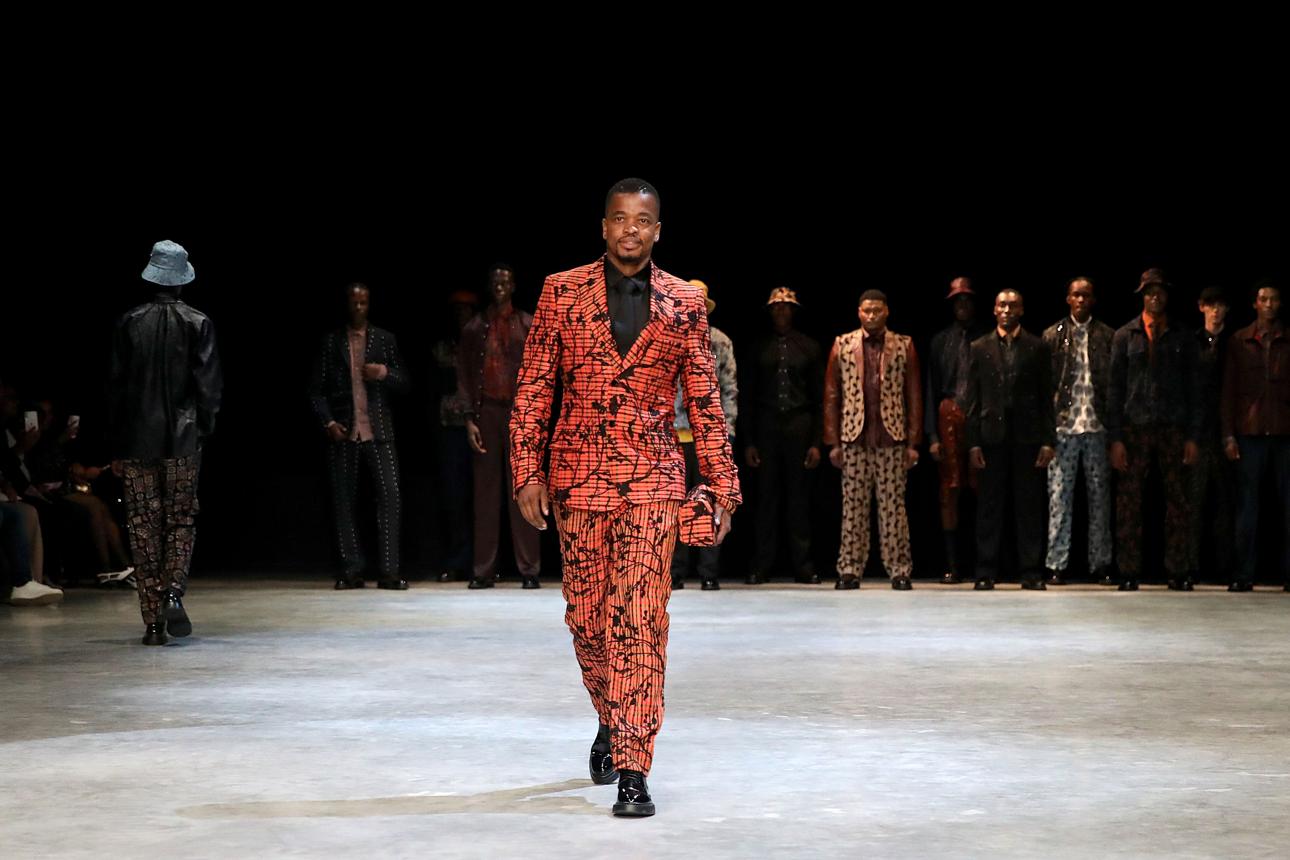
“South African Fashion Week’s Autumn/Winter 2027 programme is bringing together established designers, emerging creative talent, ballet and sporting culture to explore new ways of presenting South African fashion. Highlights include the collaboration between Black Coffee and Joburg Ballet, alongside the Field to Fashion showcase scheduled for 24 October, demonstrating how creative partnerships can expand audiences and commercial opportunities for local designers.”
South African Fashion Week 2026 Connects Fashion, Ballet and Sport to Champion Local Creativity
JOHANNESBURG, South Africa — 23 October 2026. South African Fashion Week (SAFW) is placing creative collaboration at the centre of its Autumn/Winter 2027 programme, bringing fashion, dance and sport together in a series of events designed to showcase local designers and strengthen South Africa’s creative industries. Taking place at The Forum, Hyde Park Corner, Johannesburg, from 20 to 25 October, the event is using innovative runway presentations to demonstrate how fashion can connect with other cultural experiences while opening new opportunities for designers.
The programme represents an important moment for South African fashion events because it moves beyond the traditional presentation of garments on a catwalk. Through partnerships with Joburg Ballet and a planned sport-inspired showcase, the organisers are exploring how movement, performance, personal identity and clothing can be brought together to tell stories about contemporary South African culture.
The event also provides a platform for established fashion houses and emerging designers to reach audiences, attract media attention and introduce their work to potential customers and industry partners.
Fashion meets ballet in a landmark collaboration
One of the programme’s central attractions is the collaboration between Black Coffee, the South African fashion label founded by designer Jacques van der Watt, and Joburg Ballet. The presentation, scheduled for 22 October, combines fashion design with ballet performance, allowing dancers to bring the collection to life through movement.
Rather than presenting clothing through conventional runway walks alone, the collaboration places garments within a choreographed performance. The relationship between fabric, silhouette and the moving body becomes part of the presentation, giving audiences a different way to experience the designer’s work.
The performance was conceived and choreographed by Chloé Blair, a Joburg Ballet soloist and award-winning choreographer. The collaboration brings together two creative disciplines that depend on precision, discipline and expressive movement.
Black Coffee’s design language, known for its attention to structure, shape and silhouette, offers a natural connection with ballet’s emphasis on line, posture and physical control. As dancers move across the runway, the garments become part of a wider visual composition rather than simply objects being displayed.
The initiative also marks Joburg Ballet’s debut at South African Fashion Week during the company’s 25th anniversary year. This connection gives the collaboration significance beyond the event itself, creating an opportunity to introduce ballet to fashion audiences and fashion design to dance enthusiasts.
Joburg Ballet artistic director Dane Hurst described the project as an invitation to experience dance through fashion and fashion through the moving body. The concept reflects a broader understanding of creative expression, in which clothing, photography, performance and movement can communicate different perspectives on identity and culture.
For fashion-event organisers, this type of partnership offers a way to create more distinctive experiences. Audiences are not only observing a collection; they are also engaging with choreography, music, physical expression and the atmosphere of a live performance.
Field to Fashion brings sporting culture onto the runway
Another major feature of the programme is Field to Fashion, scheduled for Saturday, 24 October. The showcase explores the relationship between sport and personal style by bringing sporting influences into designer-led fashion presentations.
Sport has long influenced clothing beyond the playing field. Team uniforms, training wear, travel outfits and the clothes worn by athletes during interviews all contribute to wider fashion trends. Supporters also express their identities through team colours, accessories and distinctive styles associated with sporting communities.
Field to Fashion takes these connections and places them within a curated runway experience. South African designers and leading stylists are expected to interpret sporting culture through individual looks that extend personal style beyond the field.
The concept creates possibilities for designers working across different areas of fashion, including streetwear, tailoring, contemporary casual clothing and statement pieces. It also encourages audiences to reconsider the boundaries between sportswear and everyday fashion.
For brands, sporting culture can offer a valuable route to new customers. People who follow football, athletics and other sports often engage with the clothing and lifestyle choices associated with athletes and teams. A well-developed collaboration can therefore introduce designers to audiences who might not ordinarily attend a conventional fashion show.
However, the commercial value of such events depends on what happens beyond the runway. Opportunities for product discovery, media coverage, retail partnerships and continued engagement can help translate attention into longer-term business benefits.
SAFW founder Lucilla Booyzen has presented these collaborations as part of the platform’s effort to broaden the reach of South African designers, engage new audiences and support business growth.
Established designers and emerging talent share the spotlight
The wider Autumn/Winter 2027 programme reflects the diversity of South African fashion, bringing established names together with emerging creative voices across couture, tailoring, menswear, streetwear, heritage and contemporary African design.
The platform has spent nearly three decades connecting fashion education, designers, manufacturing, mentorship, media and retail opportunities. Founded in Johannesburg in 1997, SAFW has developed into an industry platform that seeks to connect creative ideas with the practical requirements of building sustainable fashion businesses.
This approach is important because the success of a fashion event cannot be measured solely by the number of people attending or the visual impact of its runway presentations. Designers also need access to professional networks, production resources, potential buyers and opportunities to develop commercially viable collections.
Emerging designers can benefit from the visibility provided by established industry platforms. Presenting work before an audience of fashion professionals, journalists and consumers can help new creatives build reputations and establish relationships that may support future projects.
At the same time, established designers can use events to experiment with new presentation formats and reach audiences beyond their usual customer base.
The programme also includes Pierre Cardin’s South African Fashion Week debut and the launch of the Pierre Cardin Young Designers Award. Reporting on the 22 October programme highlighted the award’s promise of a three-month internship at the fashion house’s Paris studio for one winning South African designer. This initiative creates a potential bridge between local talent and international fashion experience.
Such opportunities matter in an industry where technical training, mentorship and access to international networks can influence a designer’s professional development.
Craftsmanship remains central to South African fashion
Although the programme embraces contemporary collaborations and performance-led presentations, craftsmanship remains an important theme of the AW27 season.
The official programme places emphasis on garment construction, cutting, finishing and surface details created through skilled work. These elements distinguish fashion design as both a creative practice and a specialised industry requiring technical expertise.
Behind every runway presentation are people whose work may receive less public attention than that of the designer: pattern makers, machinists, tailors, seamstresses, textile specialists, stylists and production teams.
Supporting these skills is important for maintaining quality and helping designers translate creative concepts into finished garments. It also creates opportunities for employment and business development across the wider fashion value chain.
South African designers work within a market that includes local consumers, independent retailers, international buyers and competing global brands. A strong focus on craftsmanship can help them establish recognisable identities and demonstrate the value of locally produced work.
Fashion events can contribute by giving audiences a closer appreciation of the construction and creative decisions behind collections. Presentations that highlight materials, movement and design details can encourage visitors to consider the work involved in producing each garment.
Nevertheless, visibility must be accompanied by practical support. Training, reliable manufacturing capacity, access to financing and effective routes to market are all important to the long-term development of local fashion businesses.
Fashion events create commercial opportunities
South African Fashion Week’s programme also illustrates how events can serve as platforms for business development.
A runway show creates an opportunity for designers to introduce collections, but its broader value may include editorial coverage, brand partnerships, social media content, retail interest and professional networking. These benefits can extend the reach of a collection beyond the people physically present at the venue.
The collaboration between fashion and ballet offers distinctive visual material for photography and video, while Field to Fashion can connect designers with sporting audiences and lifestyle-focused brands. Both concepts provide opportunities to tell stories that may appeal to people who do not traditionally follow fashion-week schedules.
For sponsors, such partnerships can provide a context for associating brands with creativity, culture and local talent. For participating designers, the exposure may help generate new relationships and customer interest.
However, successful partnerships require a clear connection between the event’s creative direction and the interests of its audiences. Commercial participation is most effective when it supports the artistic experience instead of distracting from it.
Designers also need ways to maintain audience engagement after an event ends. Digital content, collection information, retail availability and direct communication can help convert initial interest into ongoing relationships.
The organisers’ stated ambition is to move designers towards sustainable businesses, making commercial development an important part of the programme rather than an afterthought.
Johannesburg’s role as a creative destination
Hosting the event at The Forum, Hyde Park Corner, places the fashion programme within Johannesburg’s wider cultural and commercial environment.
Fashion weeks can contribute to a city’s creative profile by bringing together designers, photographers, stylists, buyers, media professionals and audiences. They also provide opportunities for visitors to experience local creative work and discover designers operating in different market segments.
For Johannesburg, a programme that combines fashion, ballet and sporting culture presents a varied picture of contemporary design. It shows how the fashion industry interacts with performance, entertainment and lifestyle rather than existing as an isolated sector.
The event’s importance also extends to the visibility of South African creative talent. International partnerships and distinctive presentations can help communicate the range of ideas emerging from the country’s fashion industry.
However, a lasting creative destination requires more than a successful annual event. It depends on consistent investment in venues, education, production, local businesses and opportunities for emerging talent to participate.
By connecting runway presentations with mentorship and industry relationships, SAFW is positioning its programme as a platform for both creative expression and professional development.
What audiences should watch for next
As the Autumn/Winter 2027 season continues, the Field to Fashion presentation on 24 October is a key upcoming event to watch. Its interpretation of sporting style through South African designers will provide another example of how established cultural influences can be transformed into contemporary fashion presentations.
The wider significance of this year’s programme will depend partly on whether the collaborations generate lasting opportunities for designers. New audiences, professional partnerships and international exposure can contribute to industry growth, but their value ultimately depends on continued engagement and commercial follow-through.
The programme also raises a broader question for fashion events: how can organisers create experiences that are visually compelling while also supporting the people and businesses responsible for producing the work?
South African Fashion Week’s combination of fashion, dance and sport offers one possible answer. By placing design in conversation with other cultural disciplines, the event expands the ways audiences can encounter local creativity.
Conclusion
South African Fashion Week’s Autumn/Winter 2027 programme demonstrates the potential of fashion events to connect creative disciplines, introduce emerging talent and strengthen the relationship between design and business. The Black Coffee and Joburg Ballet collaboration brings clothing and movement together, while Field to Fashion is set to explore the influence of sporting culture on personal style.
With craftsmanship, mentorship and commercial development also featuring in the wider programme, the event offers more than a series of runway presentations. It provides a platform for showcasing South African design and exploring how local creatives can build sustainable careers and businesses.
As the programme moves towards its closing weekend, its central message is clear: fashion can serve as a meeting point for culture, performance, identity and enterprise. The lasting measure of its success will be whether the attention generated during the event helps South African designers reach new audiences and turn creative ambition into enduring opportunities.



