




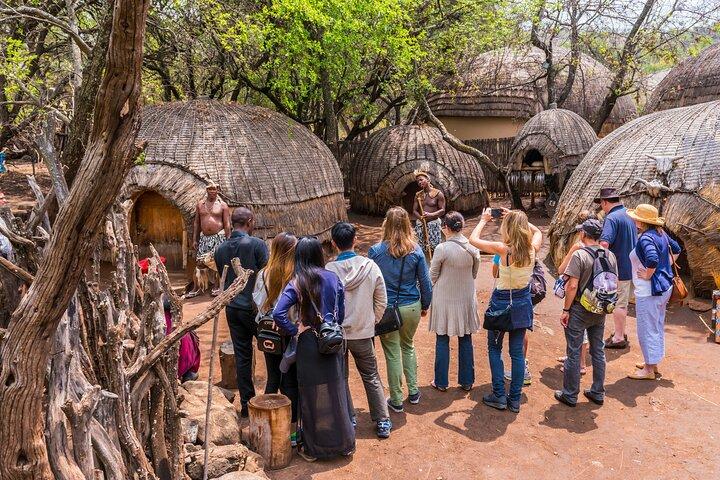
”A new television series, Just Travel SA, will encourage South Africans to discover lesser-known destinations, local cultures and community experiences across all nine provinces, using daily travel budgets to demonstrate how holidays can be planned at different price levels. Hosted by Pearl Thusi and Lungile Radu, the nine-part series is intended to strengthen domestic tourism by connecting viewers with local people, regional attractions and businesses that benefit when travellers explore their own country.”
South Africa’s cultural treasures take centre stage in a new domestic travel series
South Africa’s diverse landscapes, cultural traditions and lesser-known destinations are set to receive renewed attention through Just Travel SA, a new television series encouraging residents to discover the country from a fresh perspective. The programme aims to demonstrate that memorable travel experiences do not necessarily require expensive international holidays or luxury accommodation, bringing the possibilities of domestic tourism into focus ahead of the festive season.
Scheduled to premiere on SABC1 on 26 October 2026, the nine-part series will take viewers across South Africa’s nine provinces. Broadcasters Pearl Thusi and Lungile Radu will host the programme, exploring regional attractions alongside local insiders who understand the history, traditions and everyday life of the communities they represent.
Making cultural tourism accessible to more South Africans
One of the central ideas behind Just Travel SA is that travel should be accessible to people with different financial circumstances. The series introduces three daily spending categories: a Smart Budget of up to R1,050, a Flexi Budget of up to R1,250 and a Luxury Budget above R1,250.
These categories provide a framework for comparing experiences rather than assuming that every traveller has the same financial resources. Viewers can see how accommodation, food, transport and activities influence the overall cost of a journey, helping them make more informed decisions about their own holidays.
Affordable cultural tourism can involve visiting a historic town, exploring a local market, tasting regional dishes or learning about the traditions of a community. Such experiences may offer a deeper understanding of a destination than simply visiting its most photographed attractions.
The programme’s emphasis on local discovery is particularly relevant as households plan their festive-season spending. By demonstrating different ways to experience South Africa, the series could encourage families, couples, groups of friends and solo travellers to consider trips that match their budgets.
Nevertheless, the spending categories should be treated as illustrative planning guides rather than guaranteed holiday prices. Actual costs depend on the destination, travel dates, transport arrangements, accommodation availability and the number of people travelling.
Discovering the stories behind South Africa’s nine provinces
South Africa’s cultural appeal lies partly in the differences between its provinces. Each region offers distinctive landscapes, historical experiences, food traditions, creative communities and opportunities to learn about the people who live there.
Through its province-by-province format, Just Travel SA aims to introduce audiences to destinations that may be overlooked in conventional holiday planning. Local guides are expected to help the presenters discover places and experiences that reflect the character of their communities.
The Free State, for example, offers opportunities to explore historic towns, agricultural landscapes and local heritage. Limpopo combines distinctive natural environments with cultural traditions, while KwaZulu-Natal offers a rich mix of coastal experiences, historical sites, food and living cultural practices.
Other provinces present equally varied possibilities, from the Western Cape’s historic architecture and coastal settlements to the Eastern Cape’s heritage attractions and rural landscapes. Gauteng’s urban culture, the Northern Cape’s expansive scenery, Mpumalanga’s natural attractions and North West’s heritage and wildlife experiences add further dimensions to the country’s tourism offering.
The series does not need to present every destination as a major tourist hotspot to make it appealing. Smaller towns, community attractions and locally operated businesses can also provide rewarding experiences for travellers willing to explore beyond familiar routes.
Local people become the guides to authentic experiences
A significant element of the programme is its use of local insiders. Rather than relying exclusively on conventional destination descriptions, the presenters will explore provinces alongside people who can introduce them to places through their own knowledge and experiences.
This approach gives cultural tourism an important human dimension. Buildings, landscapes and monuments can explain part of a destination’s history, but conversations with residents can reveal how traditions are maintained, how communities have changed and what local people consider important about their home.
The involvement of local guides may also help viewers discover businesses and attractions they would not otherwise encounter. A resident might recommend a family-run restaurant, a craft market, a community heritage project or a scenic location that is not prominent in mainstream travel advertising.
According to the original report, featured local guides include Mapaseka Koetle in the Free State, Clement Maosa in Limpopo and Sweet Guluva in KwaZulu-Natal. Their participation supports the programme’s objective of introducing audiences to destinations through people familiar with the places being explored.
For communities, such visibility can be valuable when it leads to increased interest in local experiences. However, the longer-term benefit depends on whether the attention translates into visits, bookings and income for local businesses.
Food and cultural heritage strengthen the travel experience
Food is another important way travellers can connect with South African culture. Regional dishes, locally produced ingredients, traditional cooking methods and shared meals offer opportunities to understand the relationships between communities, their environments and their histories.
South Africa’s culinary identity reflects diverse influences, including Indigenous African traditions, migration, agriculture and the development of different regional food cultures. Travellers can explore these traditions through markets, restaurants, food events and encounters with local producers.
Recent tourism-industry discussions have also highlighted the potential of gastronomy to support cultural tourism. The Gastronomy Africa Conference & Expo, held in uMhlanga on 19 and 20 October 2026, brought attention to culinary heritage, Indigenous ingredients and the role of food experiences in creating tourism opportunities.
This development complements the broader message behind Just Travel SA: a destination’s value extends beyond its scenery. Local food, stories, music, art, architecture and hospitality can become reasons to visit and stay longer.
For visitors, these experiences can make a journey more personal and memorable. For businesses, they can create opportunities to attract customers and distinguish their offerings from competing destinations.
Responsible cultural tourism should also respect local customs, acknowledge the people who preserve traditions and ensure that commercial opportunities do not come at the expense of community dignity or cultural integrity.
Domestic tourism can support small businesses and employment
The economic significance of domestic travel extends beyond hotels and major attractions. Visitors spend money across a network of businesses, including transport operators, restaurants, guides, craft sellers, activity providers and accommodation establishments.
A family visiting a smaller town might purchase meals from local businesses, book a guided experience and buy products from community traders. Although each individual transaction may be modest, tourism spending can contribute to the livelihoods of people who depend on visitors.
Tshifhiwa Tshivhengwa, chief executive of the Tourism Business Council of South Africa, emphasised the importance of domestic travellers and the contribution that local journeys can make to tourism businesses, communities and employment. The series is supported by the Tourism Business Council of South Africa and Tourism Marketing South Africa, according to the original announcement.
The opportunity is especially relevant to destinations that receive less attention than South Africa’s internationally recognised tourism centres. Television exposure can introduce unfamiliar places to a broad audience and encourage viewers to investigate experiences in regions they might not previously have considered.
However, publicity alone cannot guarantee economic success. Communities also need accessible transport, reliable services, appropriate visitor facilities and ways to promote their products. Local enterprises must be able to accommodate additional demand while maintaining service quality and protecting the environments and traditions that make their destinations distinctive.
Balancing adventure, culture and affordability
Cultural travel can also overlap with outdoor adventure. Travellers may combine a heritage visit with a nature walk, a scenic drive, a coastal excursion or an exploration of the surrounding countryside.
This combination can make itineraries more varied and provide additional reasons to spend time in an area. A historic town might serve as a base for exploring nearby landscapes, while a coastal destination could combine local food, cultural attractions and outdoor activities.
Affordable planning remains important. Travellers can compare accommodation options, travel outside the busiest periods where practical, establish daily spending limits and research entrance fees before leaving home. Group travel may reduce certain shared costs, although the savings depend on the arrangements.
Adventure activities require additional preparation. Visitors should check weather conditions, understand the physical demands of planned activities, use reputable operators where necessary and follow local safety guidance. Budget-conscious travel should never depend on ignoring essential safety measures.
For tourism businesses, the opportunity is to create packages that connect multiple experiences without making itineraries unnecessarily complicated or expensive. Partnerships between guides, accommodation providers, restaurants and activity operators could help visitors discover more of a destination while supporting a wider range of local enterprises.



