




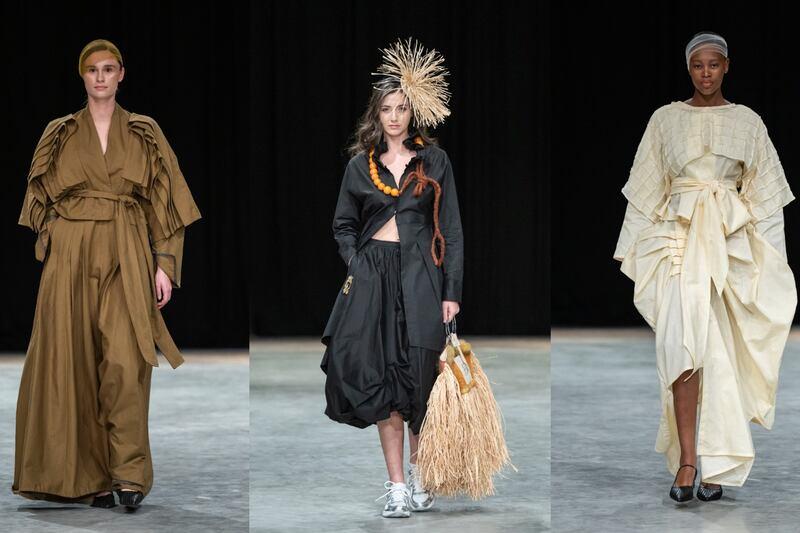
“South African Fashion Week’s Autumn/Winter 2027 programme highlights handmade design, established labels and emerging creative talent, reinforcing the importance of craftsmanship in the country’s fashion industry. For accessories, this wider emphasis creates a relevant platform for exploring how jewellery, handbags, belts, headwear and other finishing pieces contribute to contemporary South African style.”
South African craftsmanship takes centre stage as accessories gain importance in contemporary fashion
South African fashion is entering an important period of creative expression, with local craftsmanship, independent designers and distinctive design identities receiving renewed attention. South African Fashion Week’s Autumn/Winter 2027 programme, scheduled for 21–25 October 2026, provides a timely opportunity to examine how the country’s creative industry is developing and where fashion accessories fit into this changing landscape.
Accessories are an essential part of this conversation because they can transform an outfit without requiring a complete wardrobe replacement. Jewellery, handbags, belts, scarves, sunglasses and headwear help communicate individual identity while providing opportunities for designers to experiment with materials, shapes, colours and techniques. In South Africa, these products can also create opportunities to combine contemporary fashion with locally developed creative approaches.
The significance of the current fashion season extends beyond runway presentations. It also raises questions about how designers can turn creative ideas into commercially viable products, how local craftsmanship can attract consumers and how accessories can help South African brands distinguish themselves in an increasingly competitive market.
South African Fashion Week highlights the value of handmade design
South African Fashion Week has announced an Autumn/Winter 2027 programme featuring established designers and emerging creative voices. According to its official announcement, the programme emphasises craftsmanship, construction, finishing and surface work produced by skilled hands in South African workrooms.
Although the programme encompasses fashion more broadly than accessories alone, its focus on handmade excellence is particularly relevant to accessory designers. A handbag, necklace, belt or pair of earrings can become distinctive through the quality of its construction, the materials selected and the thought invested in its details.
For example, a carefully finished leather handbag can communicate quality through its stitching, structure and hardware. A jewellery piece can stand out through its proportions, surface treatment or combination of materials. Similarly, a scarf can become recognisable through its print, colour palette or distinctive styling.
These qualities demonstrate why accessories deserve attention as design products rather than merely decorative additions to clothing.
The programme also features established South African fashion names alongside designers presenting their work on the platform for the first time. This mix offers a wider picture of an industry that must preserve experience while creating opportunities for new talent.
For accessory businesses, the broader lesson is that creative identity needs to be supported by practical skills. An attractive design must also be wearable, durable, consistently produced and appropriate for its intended market.
Handbags connect artistic identity with everyday functionality
Handbags provide a particularly clear example of how South African design can combine artistic expression and everyday use.
On 19 October, Bizcommunity reported that Carrol Boyes was returning to leather handbags with a collection developed by creative director Caro Boyes. The collection revisits sculptural motifs associated with the brand’s history and adapts them to contemporary handbag shapes, including phone pouches, a chain purse and a studded slouch bag.
The development illustrates how a local design brand can revisit its heritage without simply reproducing earlier products. Instead, established visual elements can be reinterpreted for modern consumers and different everyday uses.
This approach is relevant to the wider accessories market. A successful product does not necessarily need an entirely new design language every season. It may instead build recognition by maintaining a consistent identity while improving functionality, materials and styling.
For consumers, functionality remains important. A handbag may need to accommodate a phone, wallet, keys and other daily essentials while complementing different outfits. For designers, balancing these requirements with distinctive detailing can help a product appeal to shoppers who want both practicality and personality.
The return to leather also highlights the importance of material selection. Shape, weight, flexibility and finishing all influence how a bag looks and performs. Clear product descriptions and accurate information about materials are therefore important when brands present their products online or in stores.
Jewellery and personal styling encourage individual expression
Jewellery is another category through which accessories can communicate personal style. Earrings, necklaces, rings, cuffs and bracelets can be worn individually or combined to create more expressive looks.
South African fashion coverage has recently highlighted interest in bold, playful accessories. A report published by The National on 15 October described trends including chunky jewellery, sculptural metal pieces, multi-strand beaded chokers and colourful bangles. It also discussed personalised handbags, decorative belts and retro-inspired headwear.
These observations suggest that consumers can refresh familiar clothing through relatively small styling changes. A simple shirt and jeans, for example, can take on a different character when paired with statement earrings, a bold belt or a decorated bag.
However, these trends should not be interpreted as proof that every South African consumer prefers oversized or colourful accessories. Fashion preferences vary according to personal taste, occasion, affordability and local market.
For designers and retailers, the practical opportunity lies in offering a range of styles. Minimalist jewellery can appeal to customers who prefer understated pieces, while sculptural or brightly coloured products can serve shoppers looking for stronger visual statements.
The challenge is to communicate the intended use and distinctive qualities of each product clearly, allowing customers to make informed choices.
Local design platforms create opportunities for emerging businesses
Beyond runway events, curated retail platforms can help independent designers introduce their work to new audiences.
IOL reported on TRANSLATIONS, a Cape Town design and retail platform scheduled for 20 October 2026 at Helon Melon Studio in Salt River. The event brought together fashion, accessories, jewellery, ceramics and other handcrafted objects, with a stated emphasis on craftsmanship, product provenance and the people behind the work.
Such platforms can provide a setting in which customers discover products that may not be widely represented in conventional retail environments. They can also give designers an opportunity to explain their materials, techniques and creative influences directly.
For an emerging jewellery maker or handbag designer, presenting a product alongside complementary creative businesses may help establish a stronger identity and introduce the work to customers interested in locally designed goods.
Nevertheless, participation in a showcase does not automatically guarantee commercial success. Designers still need to understand production costs, pricing, customer preferences, distribution and the amount of stock they can realistically supply.
Retail events are most useful when they contribute to longer-term business development rather than serving as isolated opportunities to display products.
Affordability and creative reuse remain relevant
Accessories can offer consumers a practical way to change their appearance while continuing to wear clothes they already own.
This is particularly relevant when shoppers want variety but cannot justify frequent purchases of complete outfits. A new scarf, pair of earrings, belt or handbag may create several styling options from existing wardrobe basics.
The National’s October report connected playful accessorising with creative expression and making more use of existing clothing. Its examples included bag charms, stacked belts, headscarves and bold jewellery.
For consumers, this approach encourages experimentation without requiring every fashion update to involve buying a new wardrobe.
For businesses, it suggests the value of demonstrating versatility. A retailer might show how a single handbag works with casual clothing and office wear, or how the same necklace can complement different necklines.
However, affordability should not be confused with low quality. Consumers benefit from transparent descriptions, realistic photographs and accurate information about materials, dimensions and care requirements.
Designers can also help customers make more considered purchases by explaining how accessories should be stored, cleaned and maintained.
Digital marketing can help local accessory brands reach customers
The growth of online discovery has made product presentation an important part of fashion retail. Customers often need to understand an accessory’s appearance, scale and practical details before deciding whether to purchase it.
Clear product photography, short styling videos and informative descriptions can help brands communicate these qualities. For jewellery, close-up photographs can reveal details that are difficult to assess in a distant image. For handbags, photographs of the interior, straps, closures and dimensions can help shoppers evaluate functionality.
Social media can also provide an opportunity to demonstrate how accessories fit into everyday life. Rather than showing a product only against a plain background, a brand can present it in several realistic styling situations.
For independent designers, the objective should be to build trust as well as visibility. Images should represent the actual products, claims about materials should be accurate, and prices and delivery conditions should be explained clearly.
Fashion events and retail showcases may generate attention, but businesses need reliable ways to convert that attention into customer relationships and sales.
Challenges facing South African accessory designers
Despite the opportunities, accessory businesses face practical challenges. Product development requires suitable materials, reliable suppliers, skilled labour and consistent quality control. Smaller businesses may also need to manage production, marketing, packaging, distribution and customer service with limited resources.
Distinctive design can help a brand stand out, but a visually striking product must still meet reasonable expectations for durability and usability. In addition, designers need to consider whether their products can be manufactured consistently without compromising the details that make them recognisable.
Competition presents another challenge. Consumers can compare locally produced accessories with imported products, established luxury labels and lower-priced alternatives. Local designers therefore need to communicate their value clearly rather than relying solely on the fact that a product was designed in South Africa.
For some customers, that value may come from craftsmanship and originality. For others, it may involve versatility, comfort, personal meaning or the opportunity to support an independent creative business.
Understanding these differences can help designers make more informed decisions about product development and marketing.
What the current fashion season means for accessories
South African Fashion Week’s emphasis on handmade excellence, together with recent reporting on handbags, jewellery and curated design platforms, provides a useful picture of the opportunities available to accessory designers. The developments point towards the continuing importance of design identity, practical functionality and the relationship between a product and its maker.
The evidence does not establish a single nationwide accessories trend, nor does it confirm that a major accessories announcement was published on 23 October. Instead, it shows several relevant developments across the country’s fashion and design landscape.
For consumers, the message is to look beyond appearance and consider craftsmanship, usability, quality and versatility when choosing accessories. For retailers, presenting products accurately and helping customers understand how to wear them can strengthen the shopping experience. For designers, maintaining a distinctive creative identity while meeting practical customer needs remains essential.
As South African fashion continues to showcase established talent and emerging voices, accessories offer a valuable space for experimentation and commercial development. Handbags, jewellery, belts, scarves and headwear can bring together artistic thinking and everyday function in products that people use repeatedly.
The wider opportunity is not simply to produce more accessories, but to develop products with clear identities, dependable quality and genuine relevance to their intended customers. That combination can help South African accessory businesses build recognition at home while creating a stronger foundation for reaching wider markets.



