




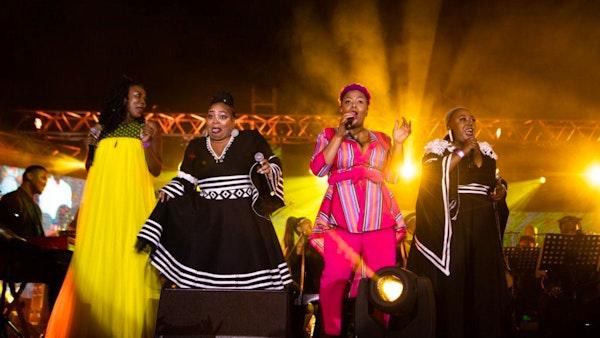
“Bloemfontein’s Mangaung African Cultural Festival (MACUFE) demonstrates how music, dance, theatre, comedy, poetry and traditional arts can strengthen the Free State’s appeal as a South African travel destination. The festival also creates opportunities for accommodation providers, restaurants, transport operators, artists and other local businesses, while encouraging visitors to explore the city’s museums, heritage attractions and surrounding province.”
MACUFE 2026 Puts Bloemfontein in the Cultural Tourism Spotlight for South Africa
Bloemfontein strengthens its position as a cultural travel destination
Bloemfontein, the capital of South Africa’s Free State province, continues to attract attention as a destination where culture, heritage and entertainment can contribute to tourism development. The Mangaung African Cultural Festival, widely known as MACUFE, is central to this identity, offering a platform for African artistic expression while providing travellers with opportunities to experience the city’s cultural character.
A report published by Travel and Tour World on 11 October 2026 highlights the festival’s role in promoting Bloemfontein as a destination for cultural tourism. The report notes that the 2026 edition took place from 3 to 13 September, bringing together performances and activities spanning music, drama, dance, comedy, poetry and the arts.
Although the festival has concluded for the year, its wider significance remains relevant to South Africa’s travel industry. Major cultural events can encourage visitors to explore destinations beyond the country’s established coastal resorts, wildlife reserves and internationally recognised cities. Consequently, MACUFE provides an example of how regional tourism can benefit from cultural programming and local creative industries.
A festival celebrating African arts and heritage
First held in 1997, MACUFE has developed into an established cultural event in Bloemfontein. Its programme has included concerts, jazz performances, theatrical productions, comedy, dance, poetry, visual arts and craft exhibitions.
This variety gives the festival appeal beyond a single entertainment category. Music lovers can experience live performances, while visitors interested in literature, traditional arts and theatre can discover different expressions of South African and African culture.
Furthermore, cultural festivals provide opportunities for local artists to present their work to audiences from other provinces and countries. They can also create professional connections between performers, event organisers, production companies and creative entrepreneurs.
According to the published report, the Free State Department of Sport, Arts, Culture and Recreation recognises MACUFE as a platform for developing local artists and promoting the province as a tourism destination.
This relationship between culture and travel is important because destinations compete through more than accommodation prices and scenic attractions. Their identity, traditions, food, music and cultural experiences can influence travellers’ decisions about where to spend their holidays.
For Bloemfontein, MACUFE helps communicate a distinctive destination proposition: visitors can combine entertainment with an introduction to the city’s history, heritage and contemporary cultural life.
Local businesses stand to benefit from cultural tourism
The tourism impact of a major festival extends beyond ticket sales. Visitors may need accommodation, meals, transport, shopping opportunities and additional activities during their stay. As a result, festivals can generate demand across several parts of a destination’s economy.
Hotels, guesthouses, restaurants, retailers and transport operators are among the businesses that may benefit from increased visitor numbers. Event organisers also depend on suppliers providing staging, sound equipment, lighting, security, catering, cleaning and other services.
Artists and craftspeople can benefit through performance fees, product sales and exposure to new audiences. Similarly, food vendors and small businesses may gain opportunities to introduce their products to visitors who might otherwise never encounter them.
Historical evidence illustrates the potential scale of this activity. The Travel and Tour World report refers to a 2015 socioeconomic impact study conducted by the University of the Free State’s Centre for Development Support. That study estimated approximately R92 million in visitor expenditure in Bloemfontein and around R150 million in total spending by festival attendees, including residents.
These figures are historical rather than current measurements. They should not be interpreted as confirmed expenditure for MACUFE 2026. Reliable attendance, spending and employment figures would be needed to establish the latest edition’s economic contribution.
Nevertheless, the historical findings demonstrate why tourism stakeholders pay attention to major events. Spending generated by visitors can circulate through local supply chains, supporting businesses that contribute to the destination’s overall visitor experience.
Exploring Bloemfontein beyond the festival
One opportunity for Bloemfontein is to encourage travellers to remain in the city after attending performances. Extending a visit can increase the time available for sightseeing, dining and shopping while helping businesses benefit from tourism beyond the event venues.
The National Museum in central Bloemfontein offers collections associated with natural history, archaeology and cultural heritage. It provides an option for visitors interested in understanding the wider historical and natural context of the region.
Another attraction is the Oliewenhuis Art Museum, which introduces visitors to South African art in a distinctive setting. Travellers interested in painting, exhibitions and visual culture can incorporate the museum into a broader city itinerary.
Visitors with additional time can also consider attractions elsewhere in the Free State. The Basotho Cultural Village offers opportunities to learn about Basotho cultural traditions, while Golden Gate Highlands National Park is known for its dramatic sandstone formations and mountainous landscapes.
These attractions require separate travel arrangements from Bloemfontein, so visitors should consider distances, available transport and the length of their stay when planning an itinerary.
Combining a festival with museums, cultural experiences and outdoor attractions can make a destination more appealing to travellers with different interests. It also provides tourism businesses with opportunities to develop packages that encourage longer stays.
Transport and accommodation remain important
Accessibility influences whether potential visitors decide to attend an event. Bloemfontein is served by Bram Fischer International Airport and is connected to South Africa’s wider road network.
Travellers can investigate flights, intercity transport and accommodation options before departure. However, schedules, fares and room availability can change, particularly during busy travel periods. Visitors should therefore confirm arrangements directly with transport providers and accommodation businesses.
For tourism operators, advance planning is equally important. Hotels and guesthouses can prepare seasonal offers, while restaurants and tour companies can develop visitor experiences around confirmed event dates.
Travel businesses may also collaborate with event organisers to distribute practical information about venues, transport, local attractions and visitor services. Clear information helps travellers organise their trips and can improve their experience once they arrive.
However, the benefits depend on effective coordination. Marketing alone cannot guarantee higher occupancy or spending; the destination must also provide dependable services, suitable accommodation and experiences that meet visitor expectations.
Cultural destinations and South Africa’s tourism strategy
South Africa offers a diverse range of tourism experiences, from wildlife safaris and coastal holidays to heritage routes, urban attractions and adventure travel. Cultural festivals add another dimension to this national offering.
Events such as MACUFE can give travellers a specific reason to visit destinations that may receive less international attention than Cape Town, Johannesburg or the country’s major safari regions.
They can also encourage domestic tourism. South Africans travelling from other provinces may use festival attendance as an opportunity to discover the Free State, visit friends and relatives, or explore attractions along their journey.
International visitors could similarly combine a cultural event with other South African experiences. However, the extent of international attendance at MACUFE 2026 should not be assumed without reliable visitor data.
Destination promotion must also address practical concerns, including personal safety, transport reliability and access to accurate information. Visitors benefit when organisers and tourism authorities communicate clearly about venues, transport options, emergency contacts and recommended precautions.
Meanwhile, local communities need to participate meaningfully in tourism development. Opportunities for local performers, small businesses and suppliers can help ensure that cultural events deliver benefits beyond their immediate audiences.
Measuring the festival’s long-term value
Assessing MACUFE’s contribution requires more than counting performances or measuring public interest. Useful indicators include visitor numbers, accommodation occupancy, average length of stay, visitor expenditure, temporary employment and participation by local businesses.
Organisers and tourism authorities could also examine how many visitors explore other attractions before or after the festival. Such information would help determine whether MACUFE encourages wider travel throughout Bloemfontein and the Free State.
Comparisons across several years could reveal changes in attendance, visitor profiles and economic activity. Transparent reporting would help businesses make investment decisions and assist public authorities in evaluating tourism programmes.
Environmental considerations also matter. Large events can create waste, increase transport demand and place pressure on local services. Waste reduction, responsible purchasing, public transport information and cooperation with local suppliers can help organisers manage these challenges.
Ultimately, sustainable cultural tourism should support artistic development while protecting the places and communities that make the experience distinctive.
Outlook for Bloemfontein’s destination appeal
MACUFE’s significance extends beyond its September performance schedule. The festival demonstrates how cultural identity can become an asset for destination marketing, bringing together entertainment, heritage and business opportunities.
For travellers, Bloemfontein offers a chance to explore South African culture while discovering museums, art and attractions across the Free State. For businesses, the festival illustrates the potential value of coordinating accommodation, transport, dining and local experiences around a major event.
The next stage is to translate this cultural appeal into measurable, lasting tourism benefits. Reliable impact data, effective promotion, accessible visitor information and strong participation from local businesses will be important to that effort.
As South Africa continues to promote a diverse range of travel destinations, MACUFE offers a useful example of how regional culture can contribute to the country’s tourism story. Its long-term success will depend not only on attracting audiences but also on creating meaningful experiences, supporting local communities and encouraging visitors to discover more of the Free State.



