




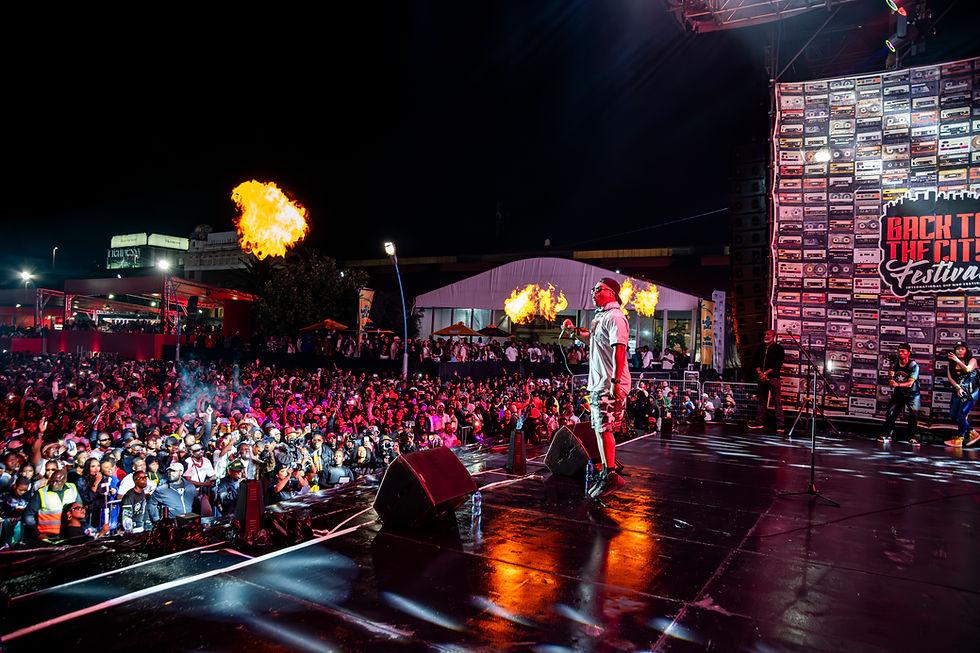
“Johannesburg’s Back to the City Festival marked its 20th anniversary at Mary Fitzgerald Square, bringing together South African and international hip-hop performers alongside graffiti, dance, skateboarding, fashion, gaming and other elements of street culture. The event also connected with the City of Johannesburg’s 140th anniversary and commemorations of the 1976 youth uprising, highlighting how contemporary creative culture can contribute to the city’s heritage and tourism appeal.”
Back to the City Festival Celebrates 20 Years of Hip-Hop, Heritage and Cultural Tourism in Johannesburg
Johannesburg’s Street Culture Takes Centre Stage
Johannesburg’s cultural landscape received a major celebration on 10 October 2026 when the Back to the City Festival marked two decades of hip-hop, music and street culture at Mary Fitzgerald Square in Newtown. The festival’s twentieth anniversary highlighted the enduring influence of hip-hop in South Africa and demonstrated how creative events can strengthen a destination’s identity, attract visitors and connect contemporary entertainment with the country’s wider cultural history.
According to the City of Johannesburg, this year’s event formed part of the municipality’s 140th anniversary celebrations and commemorated 50 years since the 1976 youth uprising. These connections gave the festival significance beyond its entertainment programme, placing music and street culture within a broader conversation about Johannesburg’s history, its young people and the evolution of urban identity.
For travellers interested in South African culture, the festival represents an opportunity to understand Johannesburg through the creative communities that continue to shape it. Hip-hop is not simply a musical genre; it encompasses dance, fashion, visual art, language, entrepreneurship and forms of public expression. Consequently, a festival celebrating these elements can offer visitors a more immediate connection to the city’s contemporary character.
Two Decades of Cultural Development
Since its establishment, Back to the City has developed into a recognised platform for hip-hop culture. Founder Osmic Menoe has described the culture as something capable of adapting to different environments and absorbing new influences. That adaptability has helped hip-hop remain relevant as musical tastes, technology and audience expectations have changed.
The twentieth anniversary therefore provided an opportunity to consider how a cultural movement originating outside South Africa has developed distinctive local expressions. South African hip-hop artists have incorporated local languages, neighbourhood experiences, social commentary and musical influences into their work. The result is a creative landscape that reflects both international connections and the everyday realities of communities across the country.
The festival’s longevity also illustrates the importance of maintaining platforms where artists can meet audiences. Emerging performers need opportunities to develop their skills, build professional relationships and introduce new material. Established musicians, meanwhile, benefit from events that bring different generations of listeners together.
For Johannesburg, sustaining such platforms can help reinforce its reputation as a destination for music, art and creative exchange. Cultural tourism becomes particularly valuable when an event offers visitors something distinctive that cannot be experienced in precisely the same way elsewhere.
An International and South African Line-Up
The 2026 festival brought together international performers from the United States and prominent South African artists. The announced international line-up included Ab-Soul, Slum Village and Blu & Exile. South African performers included Cassper Nyovest, Emtee, Blxckie, Stogie T, Reason, Tuks, Touchline and Trompies.
This combination of international and local talent illustrates the connections between Johannesburg’s music scene and the global hip-hop community. International performers can attract audiences interested in experiencing artists they might otherwise encounter only through recordings or digital platforms. Local musicians, in turn, gain opportunities to share the programme with artists whose work has influenced listeners worldwide.
For visitors, live performances can provide a deeper experience than listening to music remotely. The atmosphere, audience participation, stage production and interaction between performers and fans reveal how music operates as a shared cultural experience.
Nevertheless, the significance of such a line-up should not be measured exclusively through celebrity appearances. Local artists, independent producers, DJs, dancers and other creative professionals are essential to the development of a sustainable music industry. Events that give these participants visibility can support the broader creative ecosystem.
More Than a Music Festival
One of the defining features of Back to the City is its inclusion of activities beyond conventional stage performances. The City of Johannesburg reported that the programme included MC battles, DJ battles, graffiti and street art, skateboarding, basketball, gaming, fashion, food and celebrations recognising cultural heritage and influential figures.
The announced programme featured approximately 100 artists and 40 graffiti artists, alongside producers, clothing and food stalls, activity zones and sporting opportunities. This variety allows the festival to appeal to different audiences, including families, young people, music enthusiasts, artists and visitors interested in urban culture.
Graffiti and street art, for example, offer ways to explore how artists communicate ideas through public spaces. Skateboarding and basketball demonstrate how sport and street culture can overlap, while clothing stalls reveal how fashion becomes a means of expressing identity and belonging.
Food vendors add another dimension by introducing visitors to different tastes and informal dining experiences. Although the festival’s primary identity is rooted in hip-hop, its combination of artistic, sporting and commercial activities creates a broader cultural environment.
This diversity can also encourage visitors to remain at the venue longer and explore more of the programme. For tourism organisers, an event that combines several experiences can appeal to groups whose members have different interests, potentially increasing its reach beyond a single music audience.
Newtown and Johannesburg’s Cultural Heritage
Newtown provides an important setting for the festival because the neighbourhood is associated with Johannesburg’s cultural and historical development. Hosting the event at Mary Fitzgerald Square connects a contemporary music gathering with an urban environment where heritage, public space and creative activity intersect.
For travellers, exploring cultural districts can reveal aspects of a city that are not always visible through conventional sightseeing. Museums, theatres, galleries, public art and historic buildings help explain how communities have developed and how social change has shaped local identities.
Newtown’s role in the festival also demonstrates how public spaces can become meeting points for cultural expression. When such spaces host performances and creative activities, they offer opportunities for residents and visitors to share experiences across different backgrounds.
The festival’s connection with the City of Johannesburg’s anniversary and the fiftieth anniversary of the 1976 youth uprising adds another historical dimension. South Africa’s youth movements have played important roles in political and social transformation. Commemorating this history alongside contemporary youth culture creates an opportunity to consider how younger generations continue to express their experiences through art, music and public participation.
However, the relationship between historical commemoration and contemporary entertainment should be approached thoughtfully. A successful cultural event can celebrate creativity while also recognising the historical circumstances that give a place its meaning.
Cultural Tourism and Local Economic Opportunities
Large festivals can contribute to tourism by encouraging visitors to travel for a particular experience. People attending from outside Johannesburg may need accommodation, transport, meals and other services. Their spending can create opportunities for hotels, guesthouses, restaurants, retailers, drivers and local businesses.
The festival’s food and clothing stalls also provide opportunities for traders and creative entrepreneurs to present their products directly to audiences. For independent fashion labels, merchandise sellers and artists, a major public event can function as a temporary marketplace where customers discover new products and businesses build recognition.
Nevertheless, the size of the economic benefit cannot be established from the announced programme alone. Reliable assessment would require information such as attendance, visitor origins, overnight stays, visitor spending, employment and business revenue. Without those figures, it would be premature to claim a specific financial impact for the 2026 edition.
Even so, the festival illustrates a practical route through which cultural activities can support destination marketing. Johannesburg is already known as a major commercial and urban centre, but music festivals and creative events can encourage travellers to consider the city for leisure, entertainment and cultural exploration.
To maximise these benefits, organisers and tourism stakeholders can work together on visitor information, transport arrangements, accommodation partnerships and itineraries connecting festival attendance with nearby attractions. Such cooperation can help turn a single event into a wider travel experience.
Supporting South Africa’s Creative Economy
Back to the City also provides a platform for discussing the professional challenges and opportunities facing artists. The festival’s Hip Hop Summit addressed topics including streaming, publishing, artificial intelligence, ownership, entrepreneurship and opportunities in the creative industries.
These issues are increasingly important as musicians distribute their work through digital platforms and reach audiences across international borders. Although digital distribution can increase exposure, artists still need to understand revenue arrangements, copyright, licensing and the ownership of their creative output.
Artificial intelligence introduces additional questions concerning originality, production methods and the rights associated with musical works. Discussions about these developments can help artists consider how emerging technologies might affect their careers.
Entrepreneurship is equally significant. Artists may operate as performers, producers, business owners, event organisers or merchandise designers. Developing these activities requires more than artistic ability; it can also involve budgeting, marketing, contract negotiation and audience development.
Cultural festivals can contribute to this process by bringing artists, industry professionals, businesses and audiences into the same environment. When creative events incorporate professional discussions alongside performances, they can support knowledge-sharing as well as entertainment.
For South Africa’s tourism sector, this creative economy connection matters because cultural attractions depend on people who continue producing compelling work. Supporting artists and small businesses can help destinations maintain distinctive cultural offerings over time.
Planning a Cultural Visit to Johannesburg
Travellers interested in Johannesburg’s music and arts scene can use festivals as starting points for exploring the city. A visit may include performances, street art, galleries, museums, restaurants and other cultural attractions, depending on opening times and the visitor’s interests.
Because Back to the City took place on 10 October 2026, travellers planning future visits should consult the festival’s official channels for announcements about subsequent editions, ticketing, venues and programme changes. They should also confirm accommodation and transport arrangements before travelling.
Newtown can be included in a broader Johannesburg itinerary, but visitors should verify opening hours and access arrangements for individual attractions. Planning ahead is particularly useful during major events, when traffic and demand for local services may change.
Tourists should also respect local communities, public spaces and event regulations. Supporting legitimate vendors, following venue guidance and treating street art and historic sites responsibly can contribute to a positive experience for visitors and residents alike.
Importantly, cultural tourism does not require visitors to be experts in music history. Approaching a festival with curiosity, listening to unfamiliar performers and engaging with different artistic forms can provide meaningful insights into the society hosting the event.
The Future of Culture-Led Travel
The twentieth anniversary of Back to the City demonstrates the potential for contemporary cultural events to contribute to Johannesburg’s tourism identity. By bringing music, street art, fashion, sport and entrepreneurship together, the festival presents a multifaceted picture of urban creativity.
Its association with the city’s anniversary and the commemoration of the 1976 youth uprising further illustrates how contemporary events can connect present-day artistic expression with historical memory. These links can help visitors understand that culture is not static: it changes as communities respond to new technologies, influences and social circumstances.
For the tourism industry, the next challenge is ensuring that cultural events produce lasting benefits. Partnerships with local businesses, accessible visitor information, opportunities for emerging artists and transparent assessments of economic outcomes can help organisers strengthen their long-term contribution.
Ultimately, the value of Back to the City lies not only in its performances but also in the community, creativity and cultural exchange it brings together. Its twentieth anniversary offers a reminder that South Africa’s cities have stories worth discovering through their music, public spaces and creative people.
As Johannesburg continues to develop its cultural tourism offering, events that celebrate local talent while welcoming international influences can help visitors experience the city as more than a destination on a map. They can reveal a living cultural landscape shaped by history, innovation and the people who continue to make it their own.



