




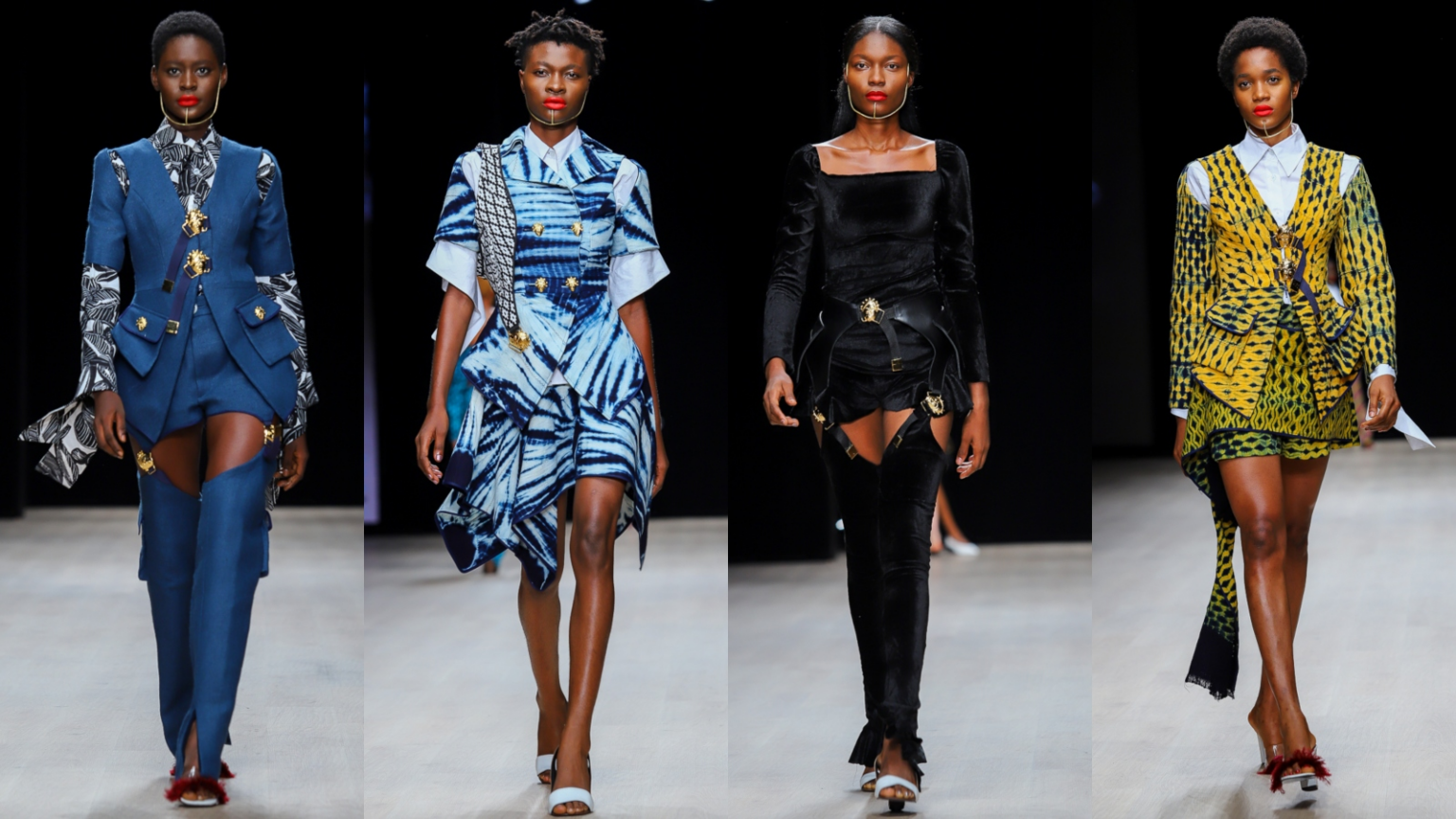
“South Africa’s luxury fashion industry is experiencing a breakthrough, with MaXhosa Africa and Patrick Mavros gaining global acclaim for their heritage-driven designs. This surge signals a shift from imported aspiration to authentic African luxury, positioning South Africa as a serious player in the global premium market.”
South Africa’s luxury fashion industry is undergoing a transformation in 2026. Once overshadowed by European giants like Louis Vuitton and Chanel, local brands are now carving out a global identity rooted in African heritage, craftsmanship, and storytelling. This shift is not only cultural but also economic, as luxury exports contribute to South Africa’s global recognition and growth.
Key Brands Leading the Shift
- MaXhosa Africa Founded by Laduma Ngxokolo, MaXhosa Africa is celebrated for its Xhosa-inspired knitwear. Bold patterns and cultural motifs are reimagined for modern fashion, making the brand a symbol of authentic African luxury. It has been showcased at international fashion weeks and worn by global celebrities.
- Patrick Mavros Known for handcrafted jewelry in sterling silver and 18ct gold, Patrick Mavros designs often feature African wildlife motifs. The brand emphasizes timeless elegance and storytelling, offering concierge-level service and global shipping. Its pieces are treasured by collectors worldwide.
- Pedersen + Lennard Specializing in luxury furniture, Pedersen + Lennard represents the intersection of design and functionality. Their clean, contemporary aesthetic appeals to international tastes while remaining rooted in South African craftsmanship.
Why This Matters
The rise of these brands signals a paradigm shift: luxury is no longer defined solely by European heritage. South Africa’s luxury sector is proving that authenticity, cultural depth, and craftsmanship are equally powerful markers of premium value. This is crucial for the country’s economy, as luxury exports contribute to global recognition and economic growth.
Challenges Facing South African Luxury
- Global Distribution: Competing with established European houses in terms of reach.
- Consumer Education: International audiences must be introduced to African heritage and design.
- Market Perception: Overcoming stereotypes that luxury is exclusively European.
Opportunities Ahead
- Cultural Storytelling: African heritage offers unique narratives that resonate globally.
- Celebrity Endorsements: International stars wearing South African brands amplify visibility.
- Diversification: Expansion into lifestyle luxury (furniture, wine, skincare) broadens market appeal.
Conclusion
South Africa’s luxury fashion industry is no longer a local secret. With brands like MaXhosa Africa and Patrick Mavros leading the charge, the country is redefining what premium means in 2026. This breakthrough moment demonstrates that African luxury is not only authentic and distinctive but also globally competitive.



