




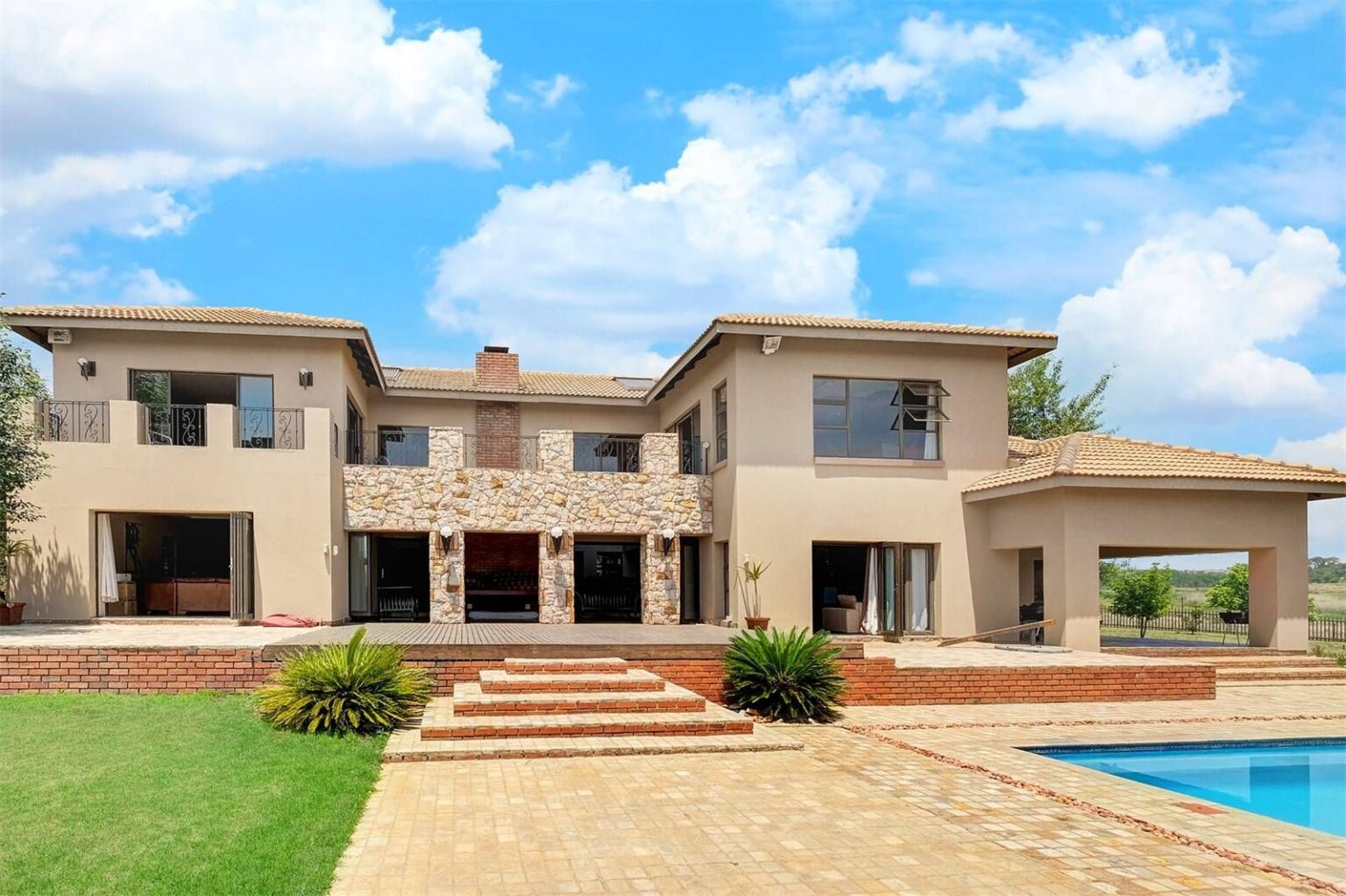
“South Africa’s residential property market in July 2026 is defined by a slowdown in overall house price growth, yet resilience in the affordable segment below R1.5 million. First-time buyers now dominate the market, supported by aggressive bank lending and demand for properties in well-run metros with reliable infrastructure.”
Market Overview
The South African residential property market in July 2026 presents a tale of two halves. On one side, affordability constraints are weighing heavily on the broader market, with national house price growth slowing to 3.4%, below the consumer inflation rate of 5.1%. This signals that in real terms, property prices are declining. On the other side, the affordable housing segment—properties priced below R1.5 million—is showing remarkable resilience, buoyed by first-time buyers and aggressive bank lending policies.
First-Time Buyers Take the Lead
For the first time in over a decade, first-time buyers account for 51.6% of all bond applications. This demographic is reshaping the market, with average purchase prices around R1.305 million. Banks have responded with aggressive lending strategies, offering 100%+ loans and significantly reducing deposit requirements. This has lowered barriers to entry, enabling younger buyers to access property ownership despite high interest rates.
Affordability Ceiling
The affordability ceiling is evident in the broader market. With the prime lending rate at 10.50% and the repo rate at 7.00%, borrowing costs remain elevated. Household debt-to-disposable income ratios stand at 62.8%, reflecting stretched budgets. As a result, properties above R1.5 million are experiencing slower sales, with average listing times extending to 64 days.
Flight to Functionality
Buyer demand is increasingly shaped by municipal competence and infrastructure reliability. “Well-run” metros, particularly in the Western Cape, are commanding significant premiums. Properties equipped with off-grid features such as solar power and boreholes are selling faster and at higher prices than grid-tied counterparts. This reflects a growing preference for resilience against load-shedding and water shortages.
Regional Dynamics
- Western Cape: Continues to lead in demand, with semigration from Gauteng boosting activity.
- Gauteng: Slower growth due to affordability pressures, but demand persists in affordable suburbs.
- KwaZulu-Natal: Mixed performance, with coastal areas showing resilience.
Economic Context
The property market is operating against a backdrop of high interest rates and modest economic growth. While GDP growth remains subdued, the resilience of the affordable housing segment highlights the adaptability of South African buyers. The divergence between the upper and lower ends of the market underscores the importance of affordability in shaping demand.
Outlook
Looking ahead, the residential property market is expected to remain bifurcated. The affordable segment will continue to thrive, driven by first-time buyers and supportive bank lending. However, the upper end of the market may face prolonged stagnation unless interest rates ease or household incomes rise significantly.



