




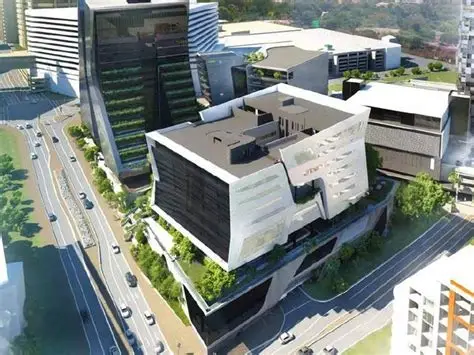
“South Africa’s commercial property sector demonstrated strength at Aucor’s July auction in Johannesburg, where diverse portfolios of redevelopment sites, industrial land, and residential complexes attracted robust bidding. The event underscored land’s role as a strategic asset for logistics, urban renewal, and sustainable development in a shifting economic climate.”
South Africa’s commercial real estate market entered a pivotal phase this week as Aucor Property hosted its highly anticipated July national auction at The Houghton Golf Club in Johannesburg. Widely regarded as one of the most influential property auctions of 2026, the event attracted investors from across the country and abroad. Against a backdrop of economic uncertainty, fluctuating interest rates, and ongoing debates around land reform, the auction underscored the resilience of land as an investment category and its central role in shaping South Africa’s urban future.
Auction Highlights
The auction portfolio was diverse, reflecting the breadth of opportunities available in South Africa’s property market:
- Commercial Redevelopment Sites in Durban: With the city’s expanding urban corridors, retail and mixed-use projects drew strong bids.
- Industrial Land in Gauteng: Demand for logistics and warehousing fueled investor interest, particularly in Johannesburg, the country’s economic hub.
- Vacant Land in Cape Town: Lifestyle-driven residential projects remain in high demand, with semigration trends continuing to boost the Western Cape market.
- Residential Complexes & Student Housing: Catering to South Africa’s rising urban population, these properties highlighted the intersection of real estate and social infrastructure.
Investor Sentiment
Investor confidence was buoyed by several factors:
- Lower repo rates (6.75% in early 2026), which improved financing conditions.
- Urbanization trends in Johannesburg, Cape Town, and Durban driving demand for redevelopment.
- Repurposing opportunities, with older properties being transformed into modern housing estates, retail hubs, and industrial parks.
This optimism reflects a broader recognition that land is not merely a finite resource but a catalyst for economic growth and sustainable development.
Market Context
South Africa’s land market has faced challenges, including:
- Economic uncertainty linked to fluctuating interest rates.
- Urbanization pressures, with rapid population growth in major cities.
- Policy debates around land reform and redistribution, shaping investor sentiment.
Despite these hurdles, land remains a resilient investment category, particularly in high-demand urban and peri-urban areas.
Strategic Importance of Auctions
Property auctions like Aucor’s July event serve as barometers of investor sentiment. They provide transparency, liquidity, and a platform for diverse stakeholders to engage in the market. The strong turnout and competitive bidding suggest that investors view land as a hedge against inflation and a vehicle for long-term value creation.
Regional Dynamics
- Johannesburg: Industrial and logistics land dominated, reflecting the city’s role as South Africa’s economic powerhouse.
- Durban: Redevelopment sites attracted attention, driven by the city’s expanding urban corridors and port-linked logistics.
- Cape Town: Vacant land for lifestyle-driven projects remained in demand, supported by semigration trends.
Policy and Reform Considerations
The auction took place amid ongoing debates around land reform and redistribution. While policy uncertainty has historically dampened investor confidence, the strong turnout suggests that investors are willing to navigate these complexities in pursuit of long-term opportunities.
Conclusion
Aucor’s July auction highlighted the resilience and adaptability of South Africa’s commercial real estate sector. By attracting strong bids across diverse property categories, the event underscored the strategic importance of land in driving economic growth, urban renewal, and sustainable development. As interest rates ease and urbanization accelerates, South Africa’s property market is poised to remain a cornerstone of the nation’s economic landscape.



