




“South Africa’s 2026 Budget Speech signals a turning point in fiscal management, with debt stabilization achieved for the first time in nearly two decades. While GDP growth is forecast to rise modestly, persistent unemployment, energy shortages, and infrastructure backlogs remain pressing challenges.”
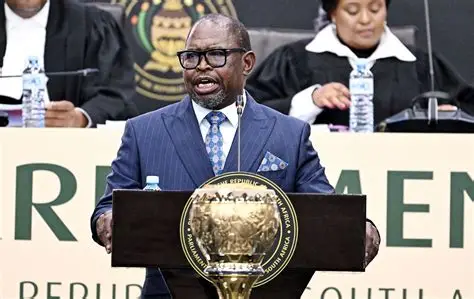
The 2026 Budget Speech delivered by Finance Minister Enoch Godongwana represents a watershed moment in South Africa’s macroeconomic trajectory. For the first time in 17 years, the government projects that public debt will stabilise, a milestone achieved through fiscal discipline, improved revenue collection, and structural reforms. This development comes against the backdrop of years of economic strain caused by state capture, global shocks, and pandemic disruptions.
The budget outlines a modest growth recovery, with GDP expected to expand by 1.6% in 2026 and gradually reach 2% by 2028. While this growth trajectory is far from robust, it signals cautious optimism, particularly as investor sentiment improves following South Africa’s removal from the Financial Action Task Force (FATF) grey list. The country also secured its first credit rating upgrade in 16 years, lowering borrowing costs and freeing fiscal space for developmental priorities.
A central pillar of the budget is infrastructure-led reform, with over R1 trillion allocated to projects in energy, logistics, and municipal services. These investments are expected to unlock productivity gains, attract private sector participation, and create jobs. However, challenges remain formidable: youth unemployment exceeds 60%, energy shortages persist, and transport bottlenecks continue to constrain growth.
On the fiscal front, the government has chosen targeted savings and efficiency measures over broad tax hikes. The withdrawal of the proposed R20bn tax increase and inflation-linked personal income tax relief provide breathing room for households, while small businesses benefit from higher VAT thresholds. Social spending remains protected, with increased grants ensuring that vulnerable populations are not left behind.
The broader message of the 2026 Budget is one of stability and credibility. Debt-service costs, which absorb nearly 5% of GDP, are projected to decline, while deficits narrow. This fiscal consolidation, coupled with structural reforms, positions South Africa to gradually transition toward inclusive growth. Yet, the Treasury acknowledges that without faster implementation of reforms, growth will remain insufficient to meaningfully reduce unemployment and poverty.
In conclusion, the 2026 Budget Speech reflects a delicate balancing act: stabilising debt, sustaining social spending, and investing in infrastructure, all while navigating deep-rooted structural challenges. The path ahead is one of cautious optimism, requiring steadfast commitment to reforms and disciplined fiscal management to ensure that South Africa’s macroeconomic recovery translates into tangible improvements for its citizens.



