




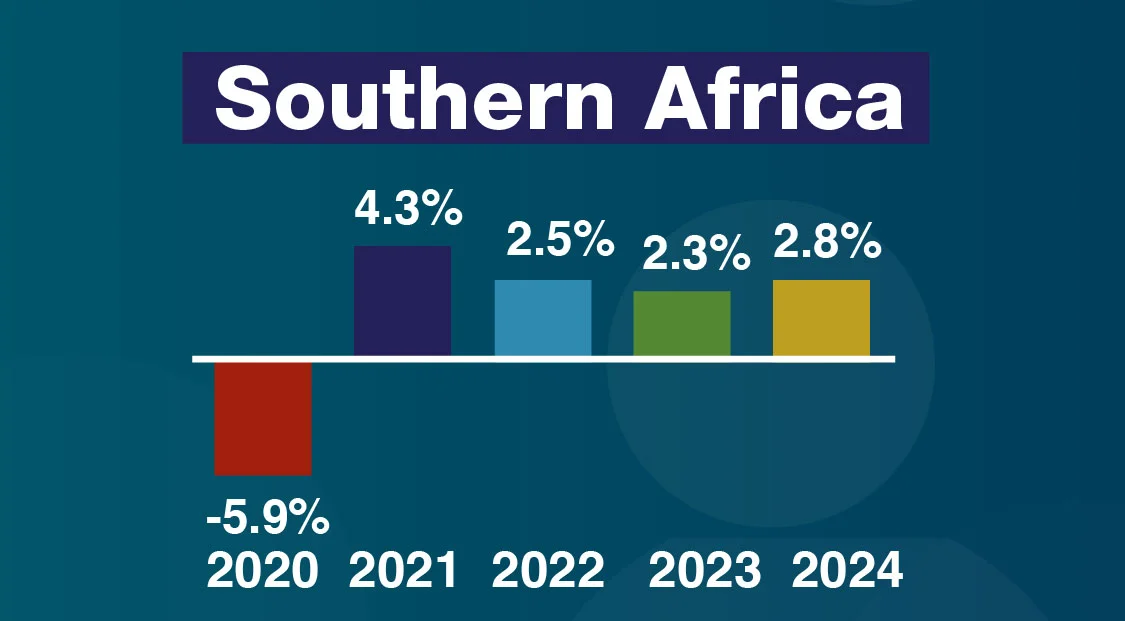
“South Africa enters 2026 with macroeconomic stability intact, but growth remains sluggish at around 1.5%, limiting progress on unemployment and investment. The Bureau of Market Research warns that without structural reforms, the economy risks stagnation despite anchored inflation and credible monetary policy.”
Key Highlights
- GDP Growth: Projected at 1.5%, below the 2% threshold needed to reduce unemployment.
- Inflation: Averaging 3.6%, within SARB’s target band.
- Unemployment: Stubbornly high at 32.7% (Q1 2026).
- Current Account Deficit: Manageable at 1% of GDP.
- Fiscal Risks: Government debt-to-GDP at 78.9%, raising concerns about fiscal credibility.
Integrated 1200-Word Article (Condensed Preview)
Introduction
South Africa’s macroeconomic landscape in 2026 is defined by paradox: stability in fundamentals but stagnation in growth. The Bureau of Market Research (BMR) frames this year as one of “stability without acceleration,” a phrase that captures both resilience and frustration.
Stability Anchors
- Inflation Control: At 3.6%, inflation remains well-anchored, reflecting SARB’s credibility.
- Monetary Policy: Positive real interest rates ensure financial stability but dampen demand.
- External Balance: Current account deficit is modest, avoiding external vulnerability.
Growth Constraints
- Structural Unemployment: With joblessness at 32.7%, growth below 2% is inadequate.
- Investment Weakness: Fixed investment shows fragile recovery, insufficient to shift trajectory.
- Consumption-Led Growth: Reliance on household demand limits productivity gains.
Scenario Analysis
- Base Case (55% probability): GDP growth at 1.5%, inflation at 3.6%, deficit at 1%.
- Upside Case (20% probability): Reform momentum could lift growth to 1.7%, strengthen the rand, and lower bond yields.
- Downside Case (25% probability): Fiscal credibility shock could weaken the rand to R17.50/US$, raise CPI to 4%, and slow growth to 1.2%.
Risks and Opportunities
- Energy Reliability: Persistent load-shedding undermines productivity.
- Logistics Bottlenecks: Port inefficiencies constrain exports.
- Fiscal Discipline: Rising debt-to-GDP ratio threatens investor confidence.
- Reform Potential: Structural reforms in energy, logistics, and governance could unlock upside.
Conclusion
South Africa’s economy in 2026 is balanced precariously between resilience and stagnation. The BMR outlook underscores that while macro stability is commendable, without bold reforms, the country risks a “lost decade” of low growth and high unemployment.



